
Zenger Farm
An urban educational farm in Portland, OR expands its reach with Zero Foodprint’s Restore grant.
1 acre
•
24 tons CO2e
•
Cover Crop
•
Hedgerow Planting
•
1 acre • 24 tons CO2e • Cover Crop • Hedgerow Planting •
Where the City Meets the Farm
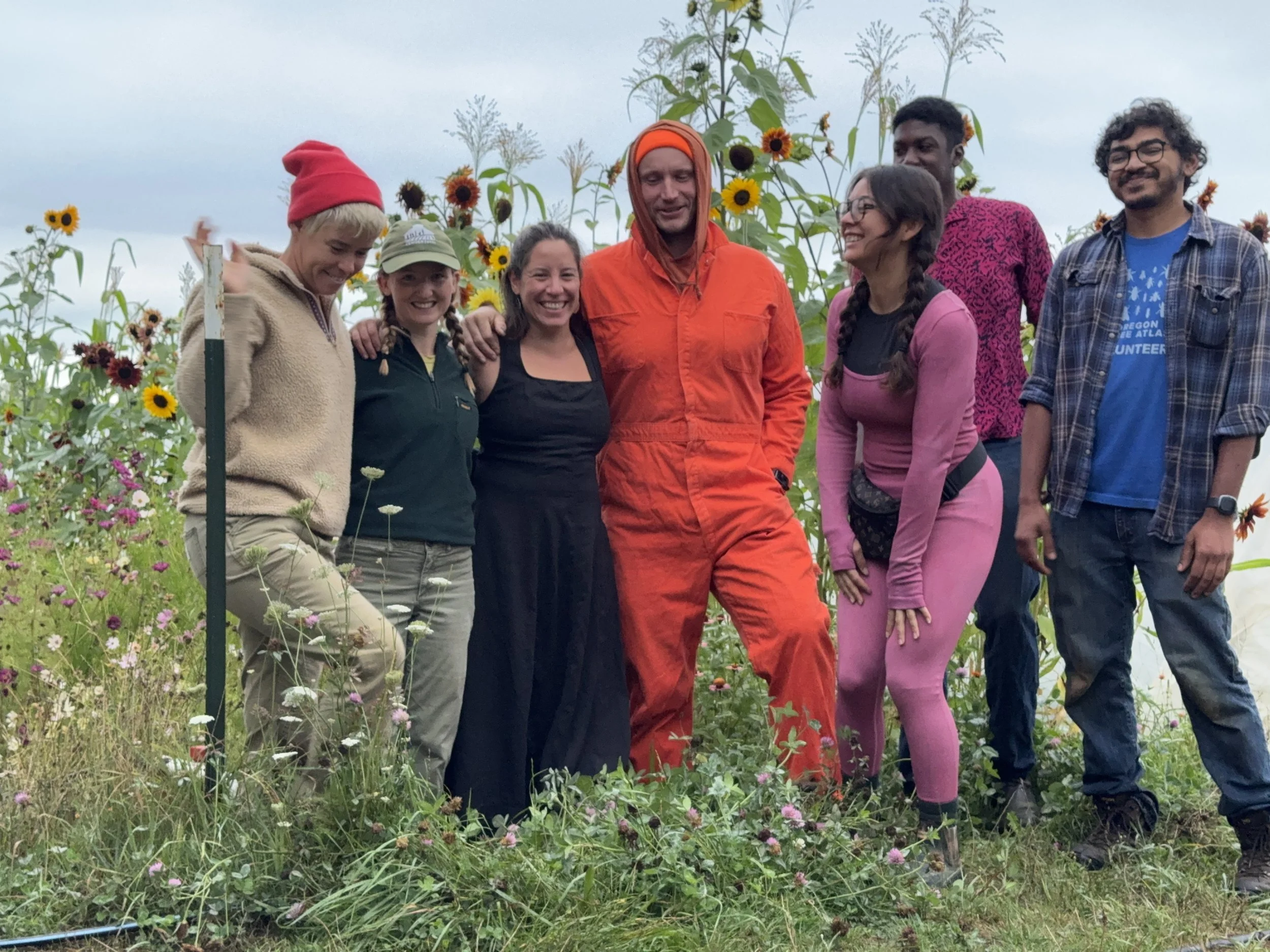
Zenger Farm was founded on a promise. Upon signing a lease agreement with the city of Portland, its founders agreed to use the land for educational programming and watershed preservation - for the price of one dollar.
Located at the base of a mountain river, the land is uniquely positioned on a watershed surrounded by urban areas. “[The city] wanted to preserve the land and continue to utilize it for agriculture despite the urbanization of the area,” describes Kristi Winberg, Zenger’s farm manager.
Today, not only have the founders fulfilled that promise, they have turned Zenger Farms into a thriving organic farm that feeds the surrounding Portland communities, many of them underserved.
In addition to a CSA delivery for the food insecure, “we run a regular CSA program for the community that is sliding scale, and incredibly versatile so that we can make it as accessible as possible to the folks in our community,” Kristi explains. “This area of Portland has experienced food apartheid, and the demographics of this area of Portland are a lot less white and affluent than the other areas.”
“That’s what made us go searching for funding opportunities in the regenerative agriculture sphere. To see what we can do to supplement our income and still maintain being able to feed the populations we want to serve.”
An Uphill Battle
Despite being an organic farm, Zenger has only recently begun the shift to regenerative farming. “I remember when I was here in 2020 asking, why aren't we composting? Why aren't we talking about the bioactivity in the soil?” Kristi wonders. At the time, she was reminded by other Zenger farmers that while they would love to try those methods, “that's not how market farming works. You have to ride the balance and make sacrifices in certain ways, because we want to feed as many people as possible.”
This year, things began to shift. After losing the farming apprenticeship that began Kristi’s career at Zenger due to federal funding cuts, the farm has begun to look to other ways to improve its farming methods.
“That's what made us go searching for funding opportunities in the regenerative agriculture sphere,” Kristi says. “To see what we can do to supplement our income and still maintain being able to feed the populations we want to serve - because we have additional funding through other sources to implement organic or regenerative practices,” she says.
A New Approach
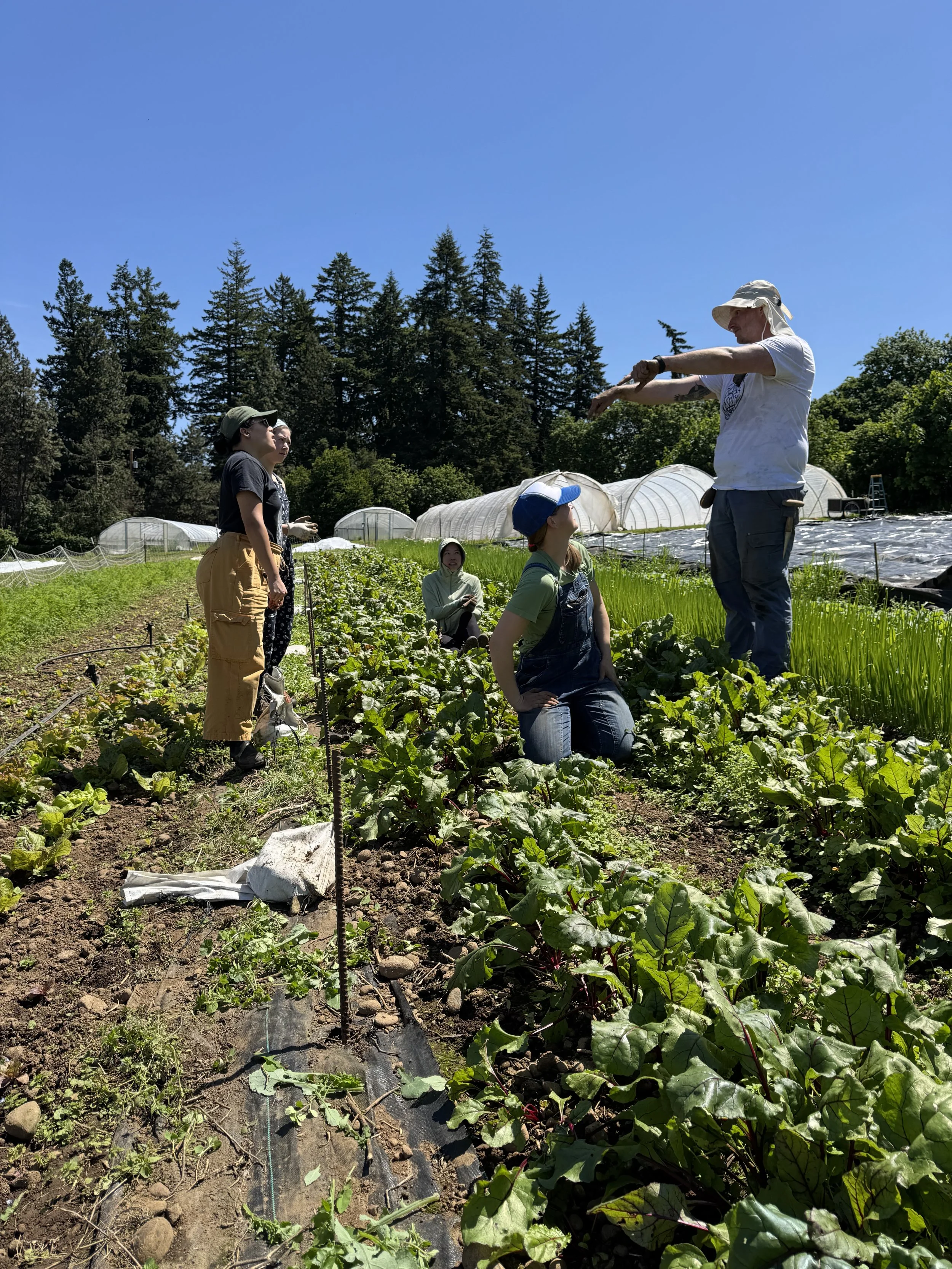
Zenger has now been able to test and scale their practices. “Over the last year, we rested and fallowed 5% of the farm. And so getting this grant is allowing us to do so in the winter, up to 75%.”
About applying to the ZFP grant, Kristi says that, “it felt really accessible because it wasn't convincing someone. It's just ‘these are the numbers I have for what we want to do.’ And that was so nice.”
When she thinks of the future, Kristi goals are to grow more food regeneratively on less land, grow the farm’s educational programs, and continue to prioritize farmworkers’ rights, to name a few. “Just community resilience,” she says. “Continuing to be a place that people can access food and education.”
About Zenger Farm
We are a nonprofit urban and organic farm that models, promotes and educates about sustainable food systems, environmental stewardship, community development and access to good food for all.
-
Zero Foodprint awards grants for projects that take carbon out of the atmosphere and put it back where it belongs: in the earth, creating healthy soil and better food. To do this, we focus on regenerative farming practices like composting, cover cropping, and managed grazing that can restore life to our soil while removing carbon from the atmosphere. Together, we have the power to grow more nutritious food, heal natural water cycles, and create habitat for biodiversity to thrive. Explore previously funded projects to see what this might look like on your farm.
For more information, read through other Restore Grant FAQs.oes here
Zero Foodprint (ZFP) is a nonprofit organization restoring the climate, one acre at a time. We believe that by regenerating soil, local food economies can play a critical role in reversing the global climate crisis. We work with food and beverage businesses, philanthropy, and government to bring the next dollar to implement the next regenerative practice on the next acre. This regenerative economy benefits every person who grows food, every person who sells food, and every person on this planet who eats food.
