
Winter Green Beef
A biodynamic farm in Noti, OR brings a new piece of land back to life with ZFP’s Restore grant.
35 acres
•
240 tons CO2e
•
Hedgerow Planting
•
Prescribed Grazing
•
35 acres • 240 tons CO2e • Hedgerow Planting • Prescribed Grazing •
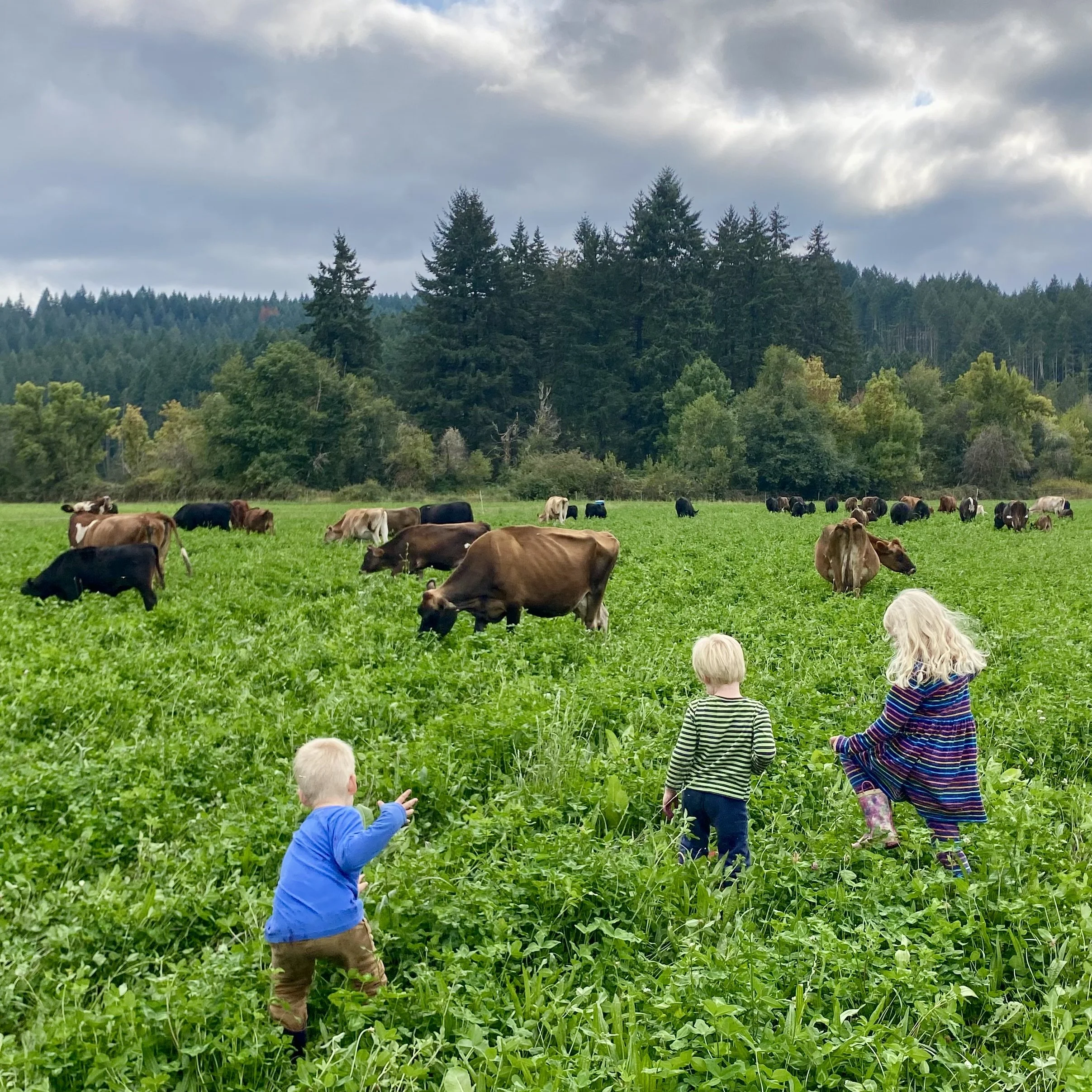
A Love for the Land
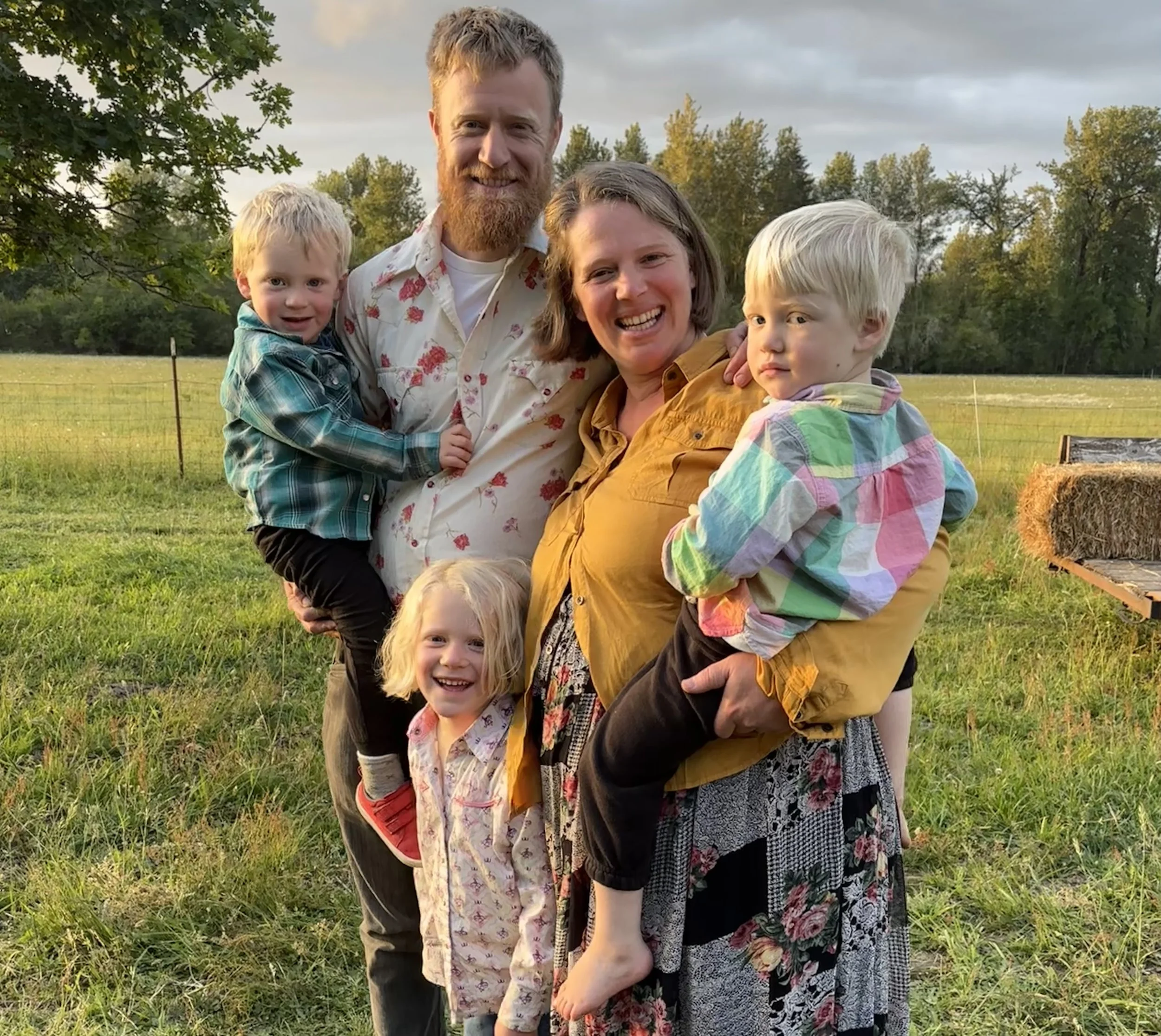
After his first few visits to Winter Green Beef as a teenager, Kevin Melia fell in love with farming.
“It wasn't really a part of my upbringing,” Kevin explains. “Then, right after high school, I started hanging out at a friend's parents' place. They worked at Winter Green Farm, and we'd go out there. All my friends were interested in seeing the farm. But for some reason, I was just totally swooned by it. I was so impressed with their lifestyle, going out and on the land and having such a close relationship with it.”
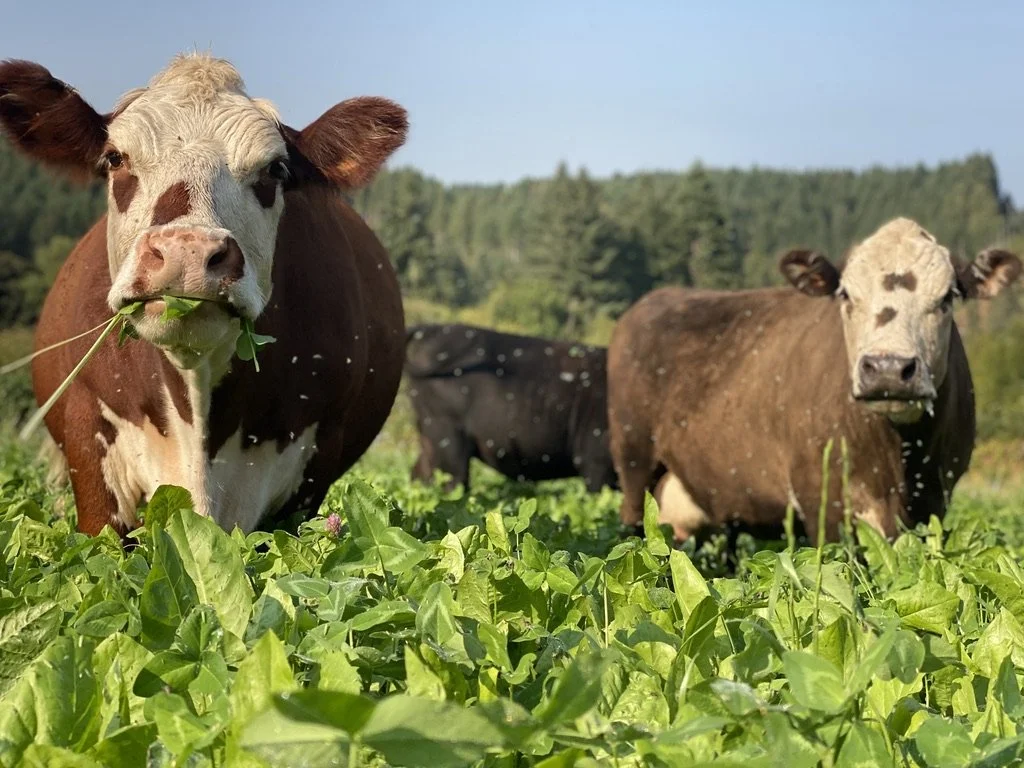
Kevin now lives on the 171-acre farm with his family, where he co-owns the beef and grazing business that is part of Winter Green. Founded in 1980 and certified organic in 1984, Winter Green Beef was ahead of its time and has continued to evolve. It has become a largely biodynamic farm, working with nature in its farming approach, instead of against it.
“We don't have to continuously be fighting against nature, against other plants,” Kevin explains. For instance, “usually, when you're growing crops, you can't let the elk or deer in there. I don't mind the elk. They've been grazing our pastures for millennia. I’m not going to take food out of their mouths.”
“It sounded like a really neat opportunity to get support in [bringing back] a piece of our ground. This grant expedites that, and supports us in making that happen.”
-Kevin Melia
Finding middle ground
The farm’s policy is to follow the natural ecosystem. At times, this can test a farmer’s patience. When a pasture on the property was flooded by beaver dams, the staff allowed the beavers to continue using them, despite losing valuable grazing land.
“I was like, ‘I want to kill them.’ I said that in a meeting,” Kevin remembers. “I just had to remember my roots. I'm not going to nickel-and-dime the beavers for eight acres.” Kevin and the farm staff came to a compromise. “We put in a dam leveler. It keeps the water high enough for them, and also keeps it from flooding things out.”
While they're getting more wetland, Kevin has discovered that the beavers’ pasture is far more resilient. Last summer, Kevin wasn’t able to properly irrigate it, yet it “still had banging production!”
Growing the farm
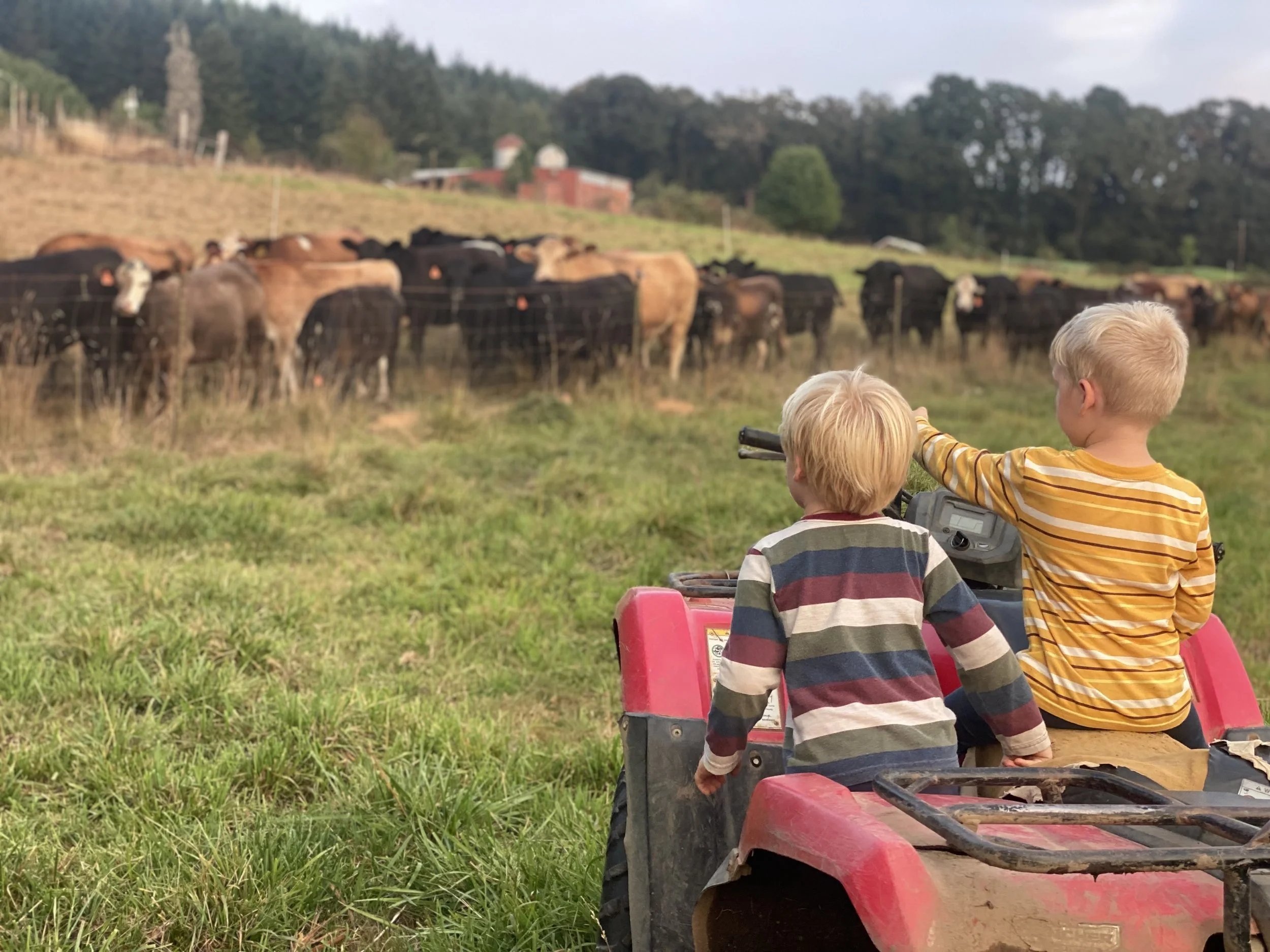
A little over a year ago, Winter Green Beef was able to buy a new piece of land. “It's been overgrazed, stocked by cattle for probably a hundred years,” Kevin says. “Believe it or not, margins are thin in this business. So, last year we didn't have the capital to put money and time into that property to help improve it.”
While searching for a solution, the farm staff heard about the ZFP Restore grant. “It sounded like a really neat opportunity to get support in [bringing back] a piece of our ground. This grant expedites that, and supports us in making that happen.”
With practices like hedgerow planting and prescribed grazing, “we can actually manage the vegetation,” Kevin says. “We can get that piece of land back to health again.”
Of his life on the farm, Kevin says, “It's really special. It's the grazing, working with the soil, plants, and animals. There’s just nothing I'd rather be doing.”
About Winter Green Beef
Jack Gray and Mary Jo Wade founded the farm in 1980, with the vision of producing healthy food for the community. Their values have contributed and continue to help create a sustainable world as they have moved into retirement from farming.
Growing great food and making it available to all people, is one of our core values. We have developed a close link with our local food bank. Through the combined effort from our labor and donations from the community, we provide thousands of pounds of produce to those in need. We also seek to pay our workers a living wage while creating a work atmosphere of mutual respect, learning, and community at our farm.
We collectively manage 171 acres. About 25 acres are devoted to mixed vegetables and berries for our CSA, farmers’ markets and wholesale accounts. About 90 acres is dedicated to sheep and cattle for pasture, hay, and balage. The remaining acres are oak groves, riparian areas, and wetlands for wildlife habitat.
We embrace biodynamic farming methods, and view our farm as a living organism. This means we strive to create a healthy farm ecosystem. The vast majority of our fertility is produced on-farm. We view this as one sign of a farm in biological balance. The backbone of our fertility program is farm-made, well-ripened compost, green manure crops, careful crop rotation, and pasturage of our grazing stock. We feel the health of our farm is reflected in the quality of our crops.
-
Zero Foodprint awards grants for projects that take carbon out of the atmosphere and put it back where it belongs: in the earth, creating healthy soil and better food. To do this, we focus on regenerative farming practices like composting, cover cropping, and managed grazing that can restore life to our soil while removing carbon from the atmosphere. Together, we have the power to grow more nutritious food, heal natural water cycles, and create habitat for biodiversity to thrive. Explore previously funded projects to see what this might look like on your farm.
For more information, read through other Restore Grant FAQs.oes here
Zero Foodprint (ZFP) is a nonprofit organization restoring the climate, one acre at a time. We believe that by regenerating soil, local food economies can play a critical role in reversing the global climate crisis. We work with food and beverage businesses, philanthropy, and government to bring the next dollar to implement the next regenerative practice on the next acre. This regenerative economy benefits every person who grows food, every person who sells food, and every person on this planet who eats food.
