
Freedom Farms
Both land and people get second chances at Freedom Farms in Jackson County, OR.
13 acres
•
1,864 CO2e
•
Riparian Forest Buffer
•
Compost Application
•
Conservation Cover
•
13 acres • 1,864 CO2e • Riparian Forest Buffer • Compost Application • Conservation Cover •
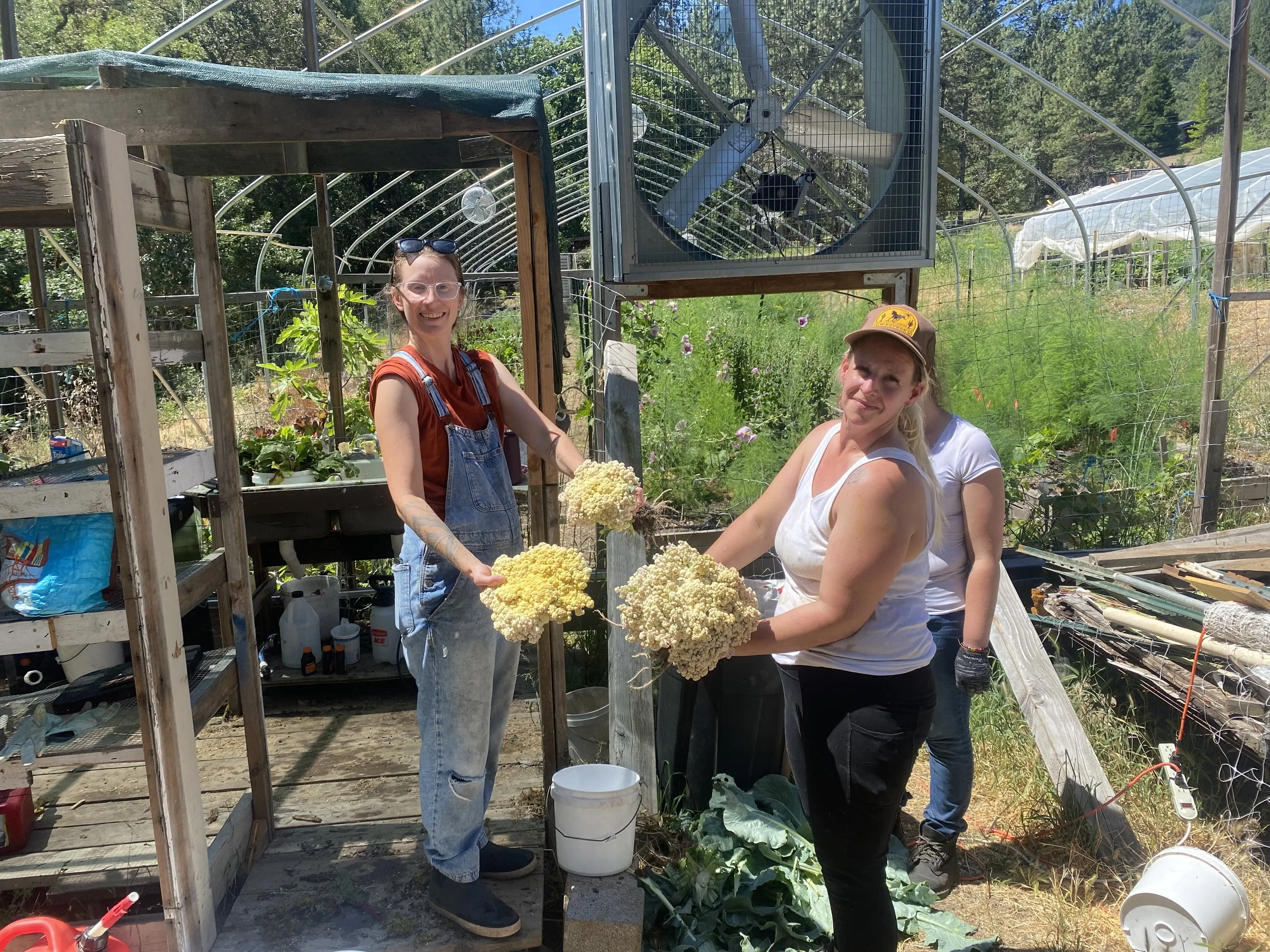
Soil Regeneration and Social Justice
Raised in Ireland on the food his parents grew on their land, Sean O Ceallaigh has always felt close to the natural world. When he was able to get his own farm in Oregon, he knew that land conservation would be at the heart of his farming approach.
“This is one of the things I appreciate about the property. It's positioned so that we can have an actual working veggie farm, and we’re integrated nicely into a forest,” he says.
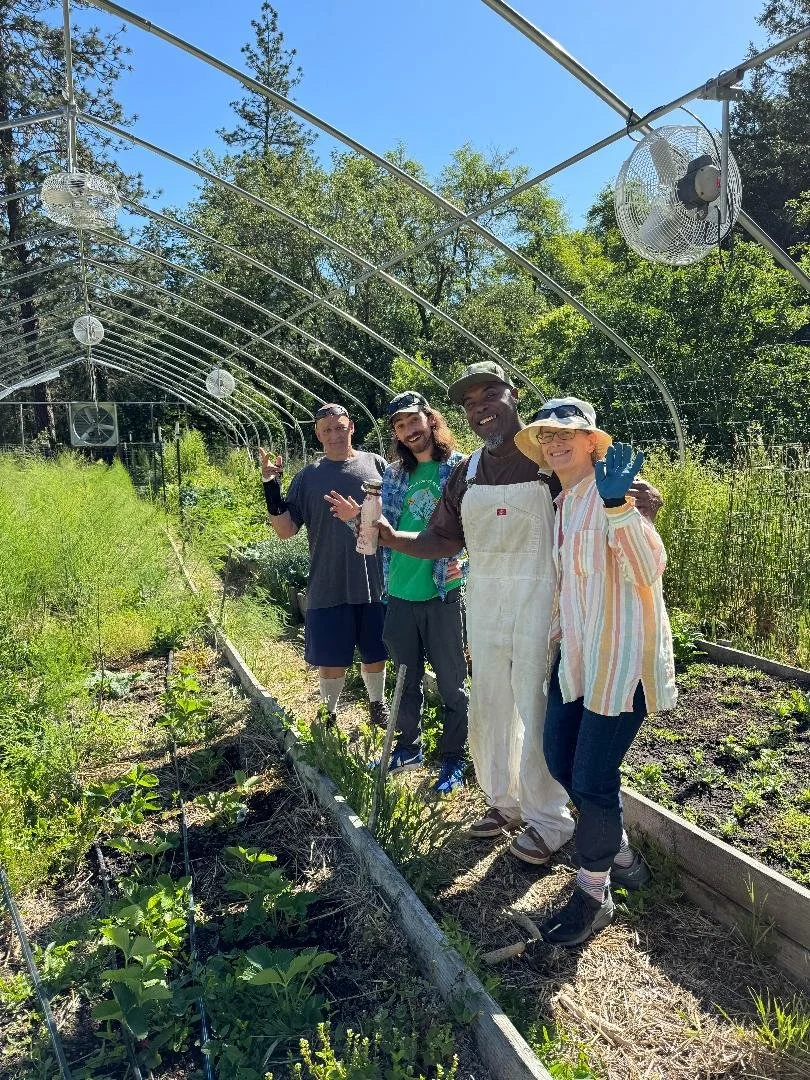
Sean’s passion for social justice has defined the farm as well. In addition to being a thriving vegetable farm, Freedom Farms is a prison reintegration program, helping newly released men and women adjust to life after incarceration.
“We work with folks coming directly out of prison through sustainable agriculture and plan conservation initiatives,” Sean explains. “[The participants] talk about the healing element of being in nature and learning all about this cool stuff. It's so impactful when folks come out of prison, they can get their hands in the soil and be out in nature and breathing fresh air.”
“I think we need more and more people offering this kind of support, because our planet certainly needs it.”
Bringing back the land
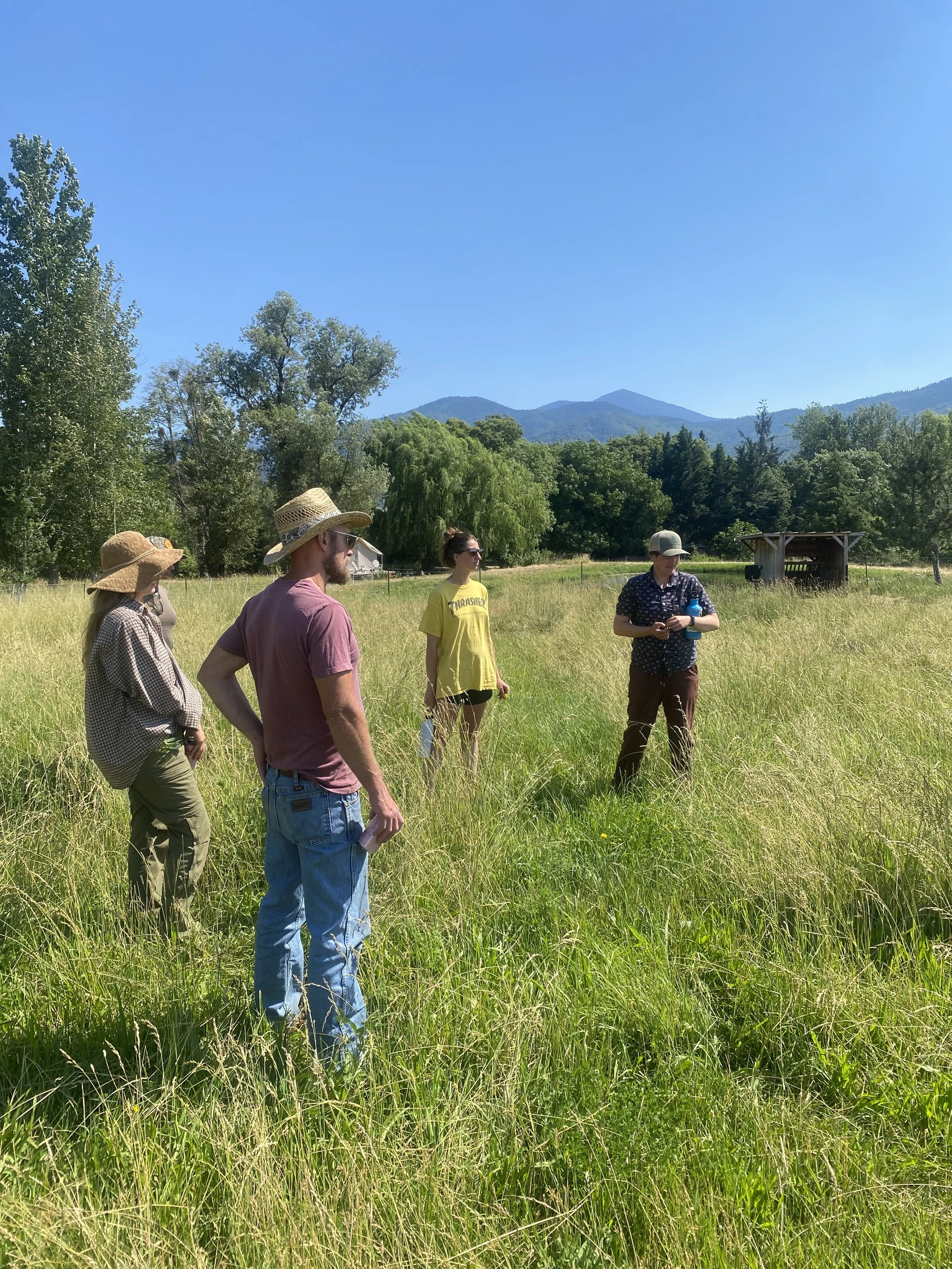
While the reintegration program is thriving, the land is still in need of help. When Sean first got the property, the creek that runs through it had been littered with trash, and the surrounding area was overgrown with invasive species. The creek has made a full recovery under Sean’s care, and with the help of Zero Foodprint’s Restore grant, his next plan is to restore the surrounding forest.
“We live on a wild and urban interface, and the riparian corridors are inundated with blackberry and overgrown with non-native species. So the first stage is to remove all that and to replant native vegetation along the creek and restore that habitat.“
The second part of the plan will be planting conservation cover and applying compost. “It's a really exciting project. I love this stuff,” he says. “I want to look out onto my land and see every inch of it covered with native plants and vegetation. I just think about the impact that it's going to have on our [program] participants. It's a dream come true, honestly, to get some funding to be able to do it.”
Of the Restore grant, he says, “I think it's amazing. I think we need more and more people offering this kind of support, because our planet certainly needs it.”
About Freedom Farms
Freedom Farms is a 501(c)(3) nonprofit organization dedicated to the healing and integration of men and women post-incarceration.
-
Zero Foodprint awards grants for projects that take carbon out of the atmosphere and put it back where it belongs: in the earth, creating healthy soil and better food. To do this, we focus on regenerative farming practices like composting, cover cropping, and managed grazing that can restore life to our soil while removing carbon from the atmosphere. Together, we have the power to grow more nutritious food, heal natural water cycles, and create habitat for biodiversity to thrive. Explore previously funded projects to see what this might look like on your farm.
For more information, read through other Restore Grant FAQs.oes here
Zero Foodprint (ZFP) is a nonprofit organization restoring the climate, one acre at a time. We believe that by regenerating soil, local food economies can play a critical role in reversing the global climate crisis. We work with food and beverage businesses, philanthropy, and government to bring the next dollar to implement the next regenerative practice on the next acre. This regenerative economy benefits every person who grows food, every person who sells food, and every person on this planet who eats food.