
Sparrow Hawk Ranch
A Colorado couple finds a new home on their farm and protects their soil with ZFP’s Restore grant.
32 acres
•
2,170 tons CO2e
•
Hedgerow Planting
•
Compost Application
•
32 acres • 2,170 tons CO2e • Hedgerow Planting • Compost Application •
An Unexpected Change
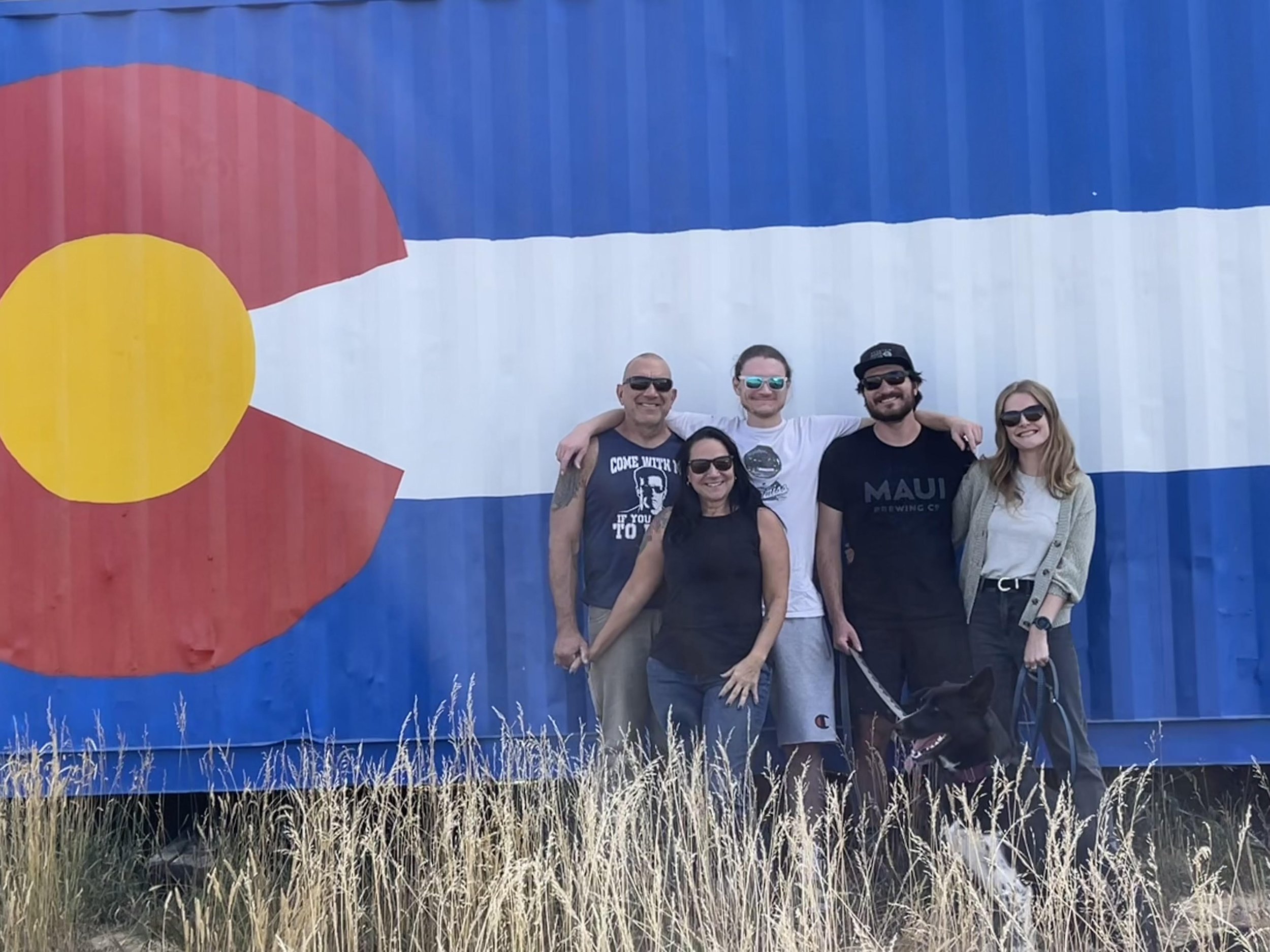
Carey and Sid Payne had been perfectly happy with their forever home in the suburbs of Boulder, Colorado, when an opportunity fell into their laps. “This ranch was presented to us, and we weren't going to move,” Carey recalls. That decision changed almost immediately when they visited the land. “We were on the property for about fifteen minutes and decided we needed to put in an offer…because we fell in love with it that fast.”
Though they had no farming background, Carey and Sid felt at home there. “It's thirty-five acres, which we did not need. We were empty nesters, so the house was not what we needed either. However, it seems like it was exactly what we needed,” Carey explains.
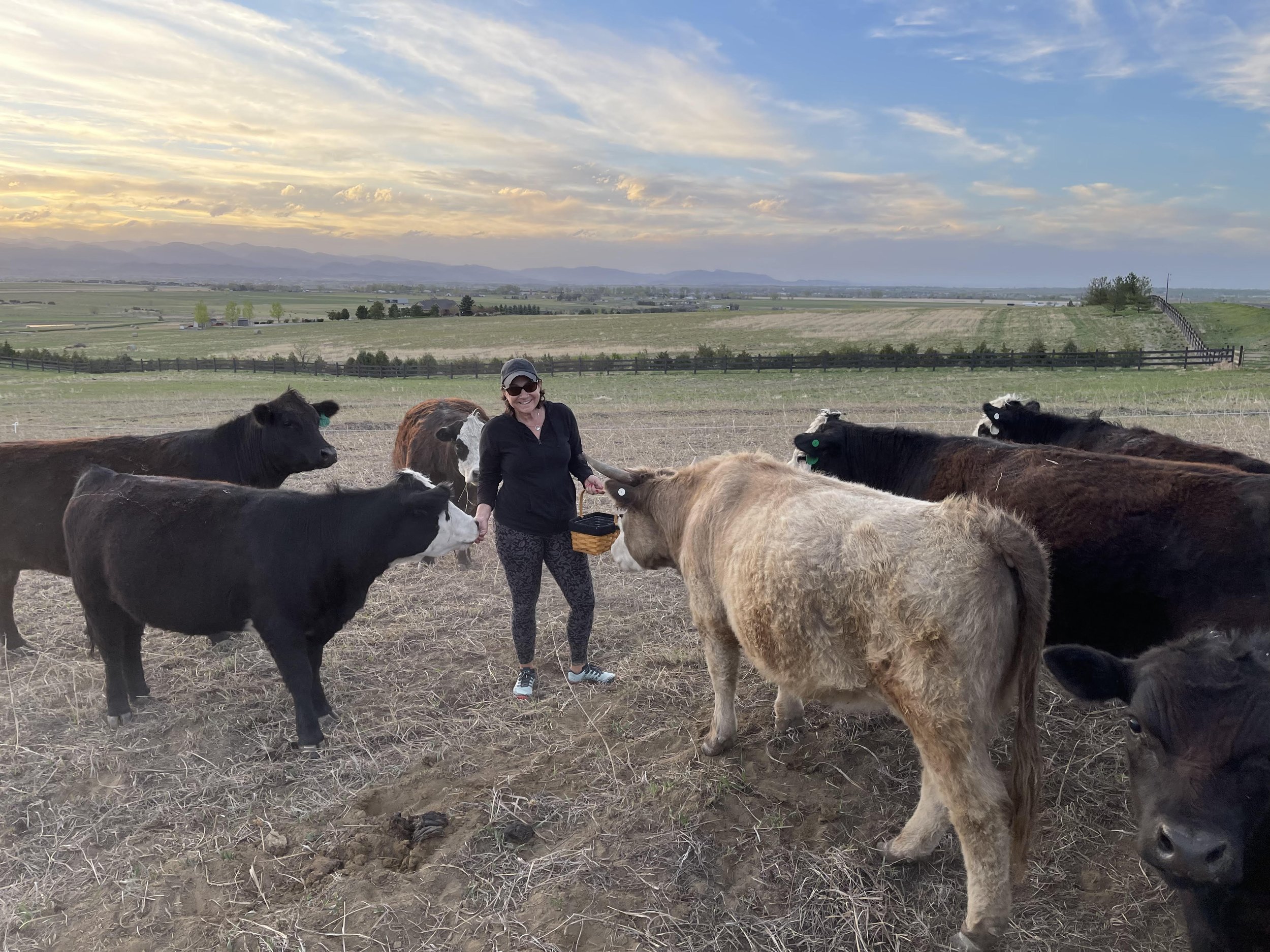
“We don't plan on going anywhere. [The farm] is a dream that we didn't realize we had.”
- Carey Payne
Finding a Purpose
The land had been a rental property for years, and the Paynes decided to try their hand at turning it into a wedding venue. When that proved to be more labor-intensive than they could handle on their own, they searched for other ideas.
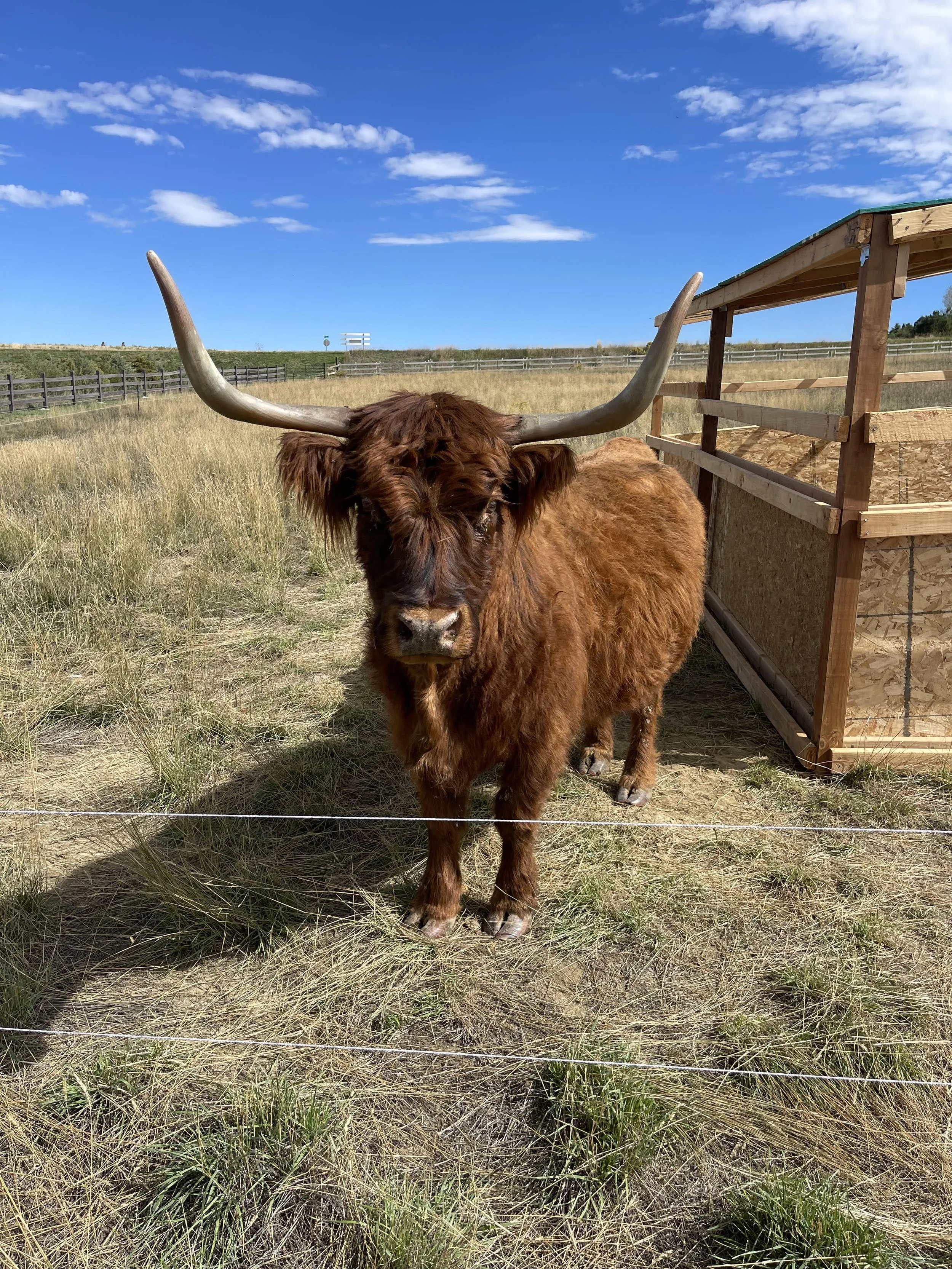
They soon found they didn’t need to look further than next door, when their neighbor asked if he could graze his cattle on their land. “He was having to load up his cows and move them to other people's property. Our land had sat for a long time, so when we moved in, we had great grass,” says Carey.
The Paynes agreed to allow two of their neighbors to rotationally graze their cattle on the land. They soon noticed a difference in their soil. “Within the first year of [our neighbors’] cows being there, our land just was amazing. [Colorado State University] came out and did soil samples, and our ground was so great.”
Building on Progress
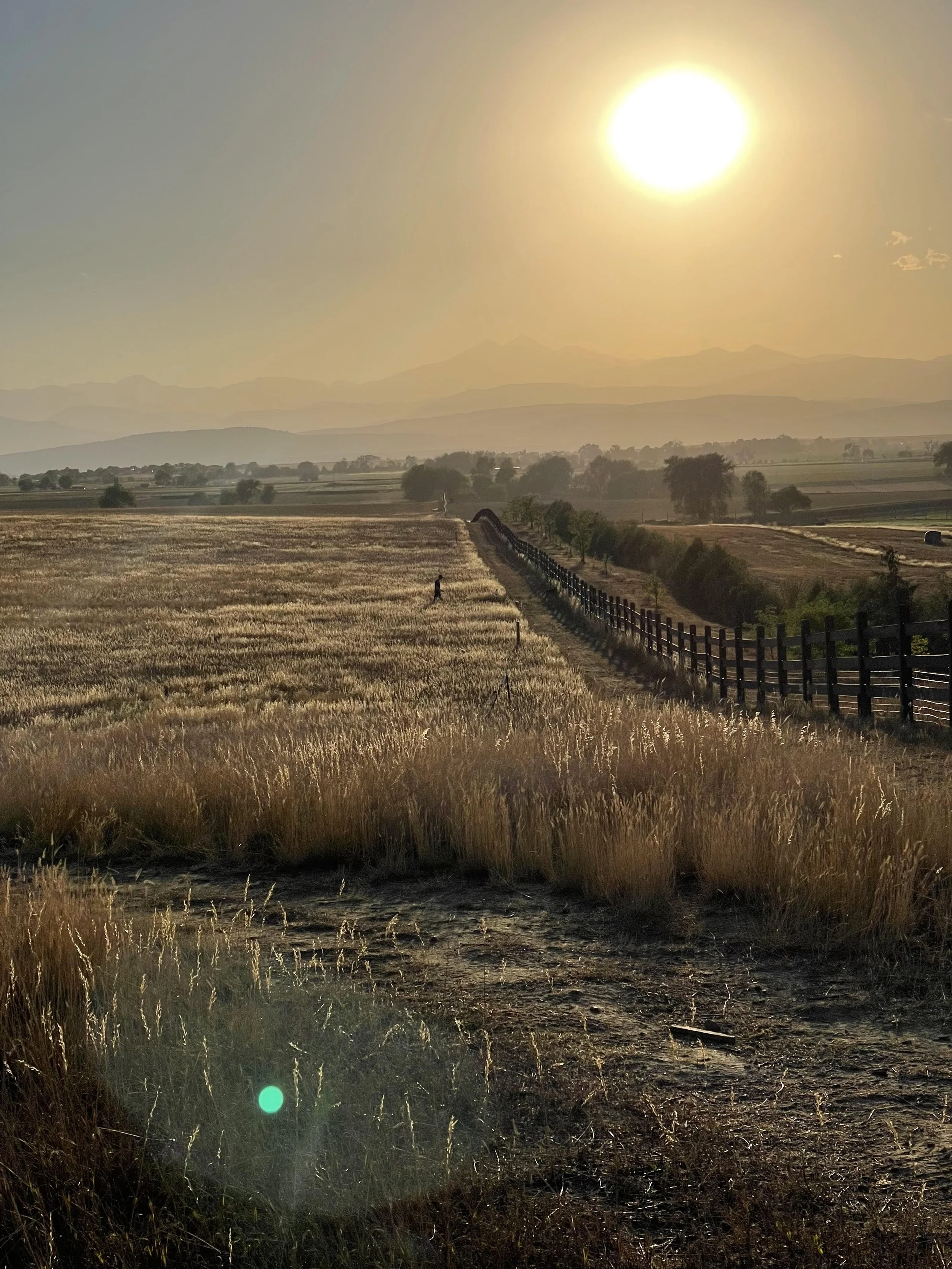
The cattle were improving the soil, but they couldn’t protect it from Colorado’s strong winds, which put it at risk for erosion. The Paynes’ neighbors put them in touch with Drylands Agroecology Research, an organization that specializes in regenerative agriculture design - and a ZFP grantee. DAR helped the Paynes create a plan to protect and nourish their soil with compost and hedgerow planting, and helped them apply for ZFP’s Restore grant.
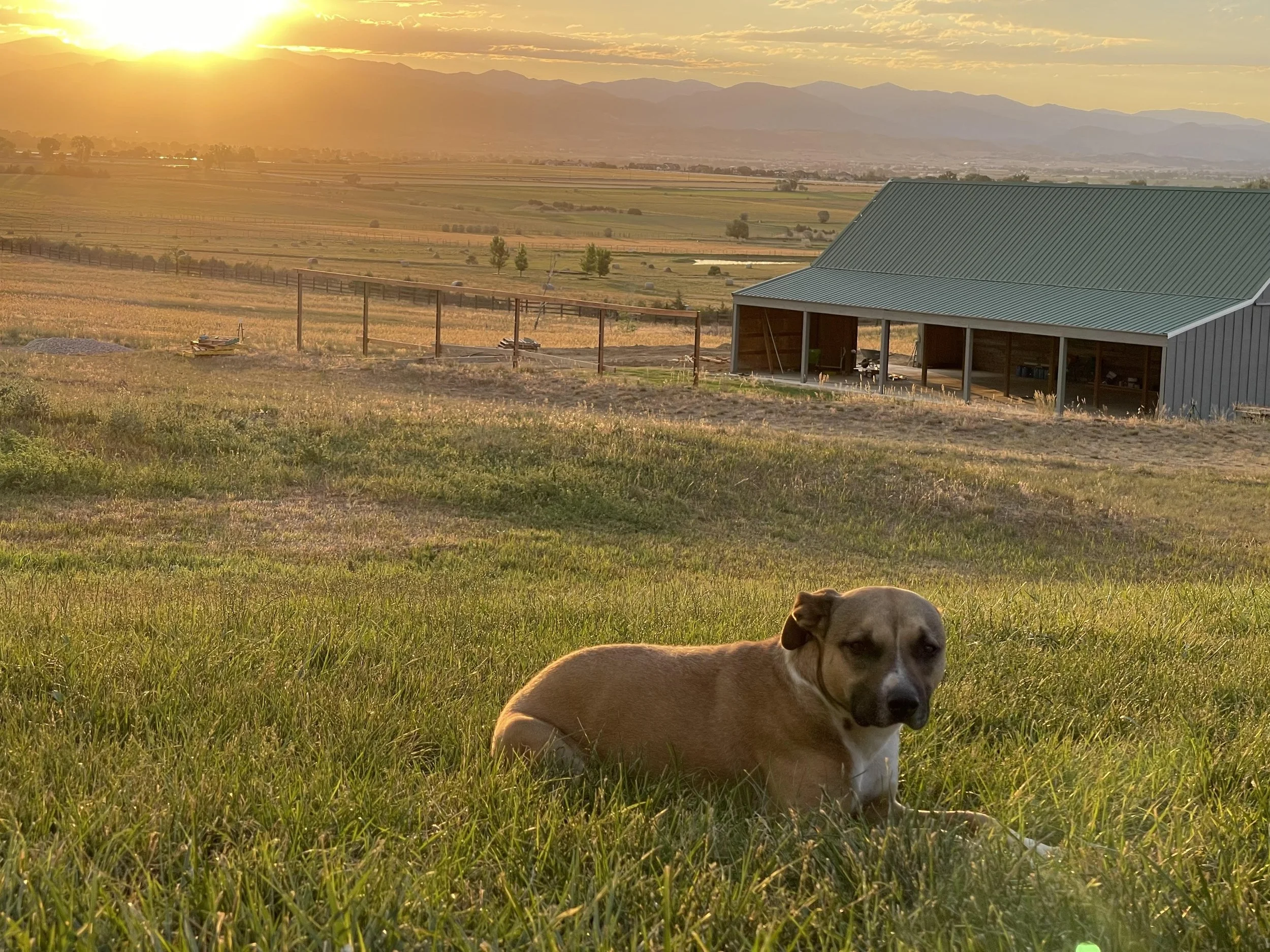
Now that their soil is protected, the Paynes are settling into their lives on the farm. “We don't plan on going anywhere, and so at this point in our life, like, we have started a raised bed garden, we're hoping to have big flower beds and have people come pick their own flowers, and we’re putting in a big greenhouse,” Carey says of their plans.
Of their new farming lifestyle, she says, “I just love it. I love the handiwork. I've learned how to use all the tools. [We went from] raising kids in suburbia to lying in bed, listening to the coyotes howl at night. It's a dream that we didn't realize we had.”
About Sparrow Hawk Ranch
We are Carey and Sid Payne. We knew the moment we looked at this property that it was going to be a grand adventure. A friend once said about us “It’s always an adventure with the Paynes”. Adventure isn’t about the destination, it’s about the journey. We are excited to be on this journey with you!
-
Zero Foodprint awards grants for projects that take carbon out of the atmosphere and put it back where it belongs: in the earth, creating healthy soil and better food. To do this, we focus on regenerative farming practices like composting, cover cropping, and managed grazing that can restore life to our soil while removing carbon from the atmosphere. Together, we have the power to grow more nutritious food, heal natural water cycles, and create habitat for biodiversity to thrive. Explore previously funded projects to see what this might look like on your farm.
For more information, read through other Restore Grant FAQs.oes here
Zero Foodprint (ZFP) is a nonprofit organization restoring the climate, one acre at a time. We believe that by regenerating soil, local food economies can play a critical role in reversing the global climate crisis. We work with food and beverage businesses, philanthropy, and government to bring the next dollar to implement the next regenerative practice on the next acre. This regenerative economy benefits every person who grows food, every person who sells food, and every person on this planet who eats food.
