
Yellowstone Hill Farm
An Oregon farmer with roots in industrial agriculture starts her own regenerative farm to feed her community.
83 acres
•
3,086 tons CO2e
•
Hedgerow Planting
•
Forage & Biomass Planting
•
Compost Application
•
83 acres • 3,086 tons CO2e • Hedgerow Planting • Forage & Biomass Planting • Compost Application •
Big Agriculture Beginnings
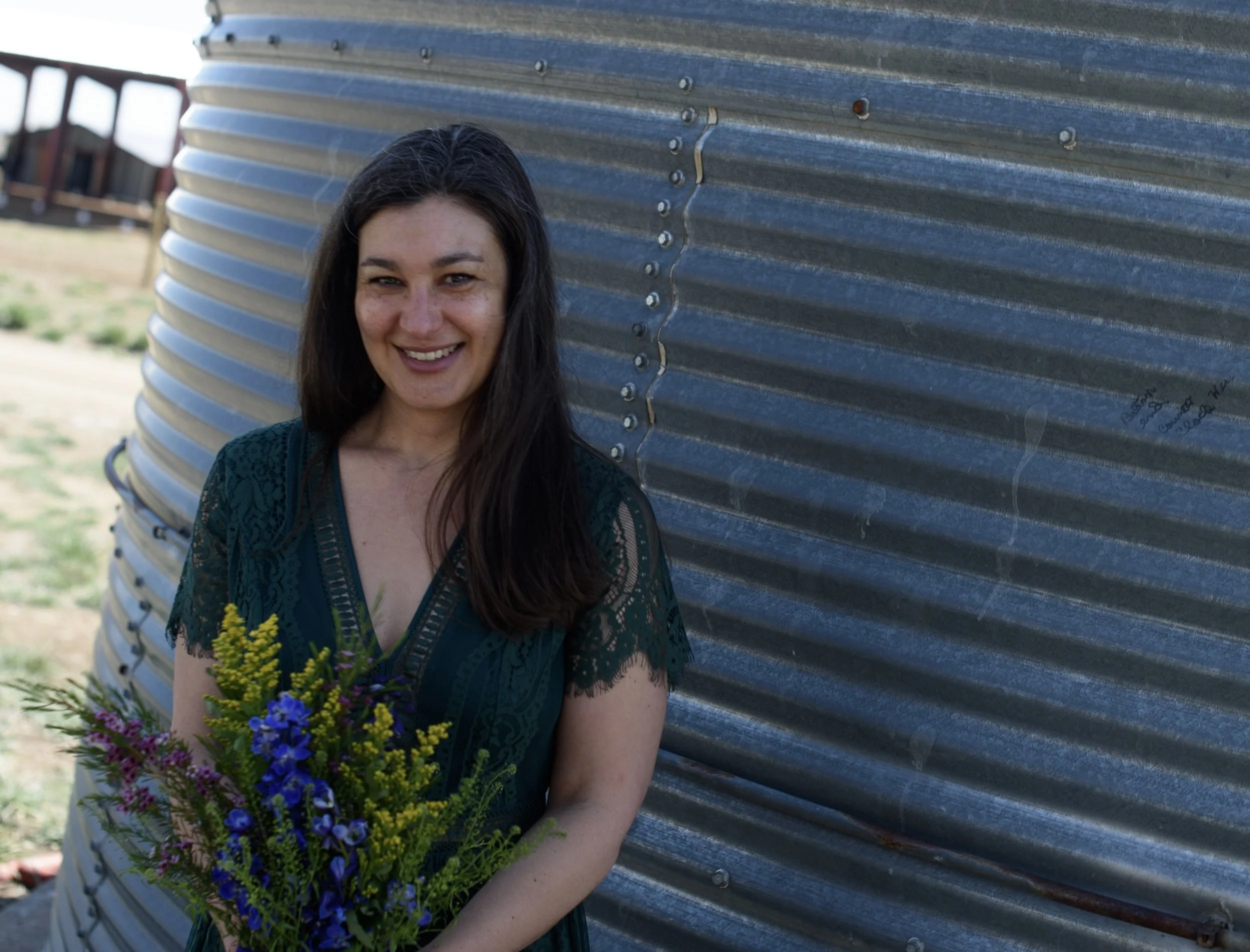
Carina Fisher of Yellowstone Hill Farm has seen many sides of the farming world. “I grew up on a feedlot, and my dad was the plant manager of Bunny-Luv carrots when I was a kid. So I grew up in the massive agricultural complex that feeds our country,” she explains.
After attending college in Colorado, she stayed to become a pastry chef and later met her partner, who worked at a goat dairy farm. Together, they decided to buy a farm of their own. What they found was an abandoned hen-laying business on seventy acres.
“It had been left totally fallow for about fifteen years when we bought it. So the soil was incredibly denuded, and every bit of infrastructure had been stripped away,” Carina remembers.
Navigating Change
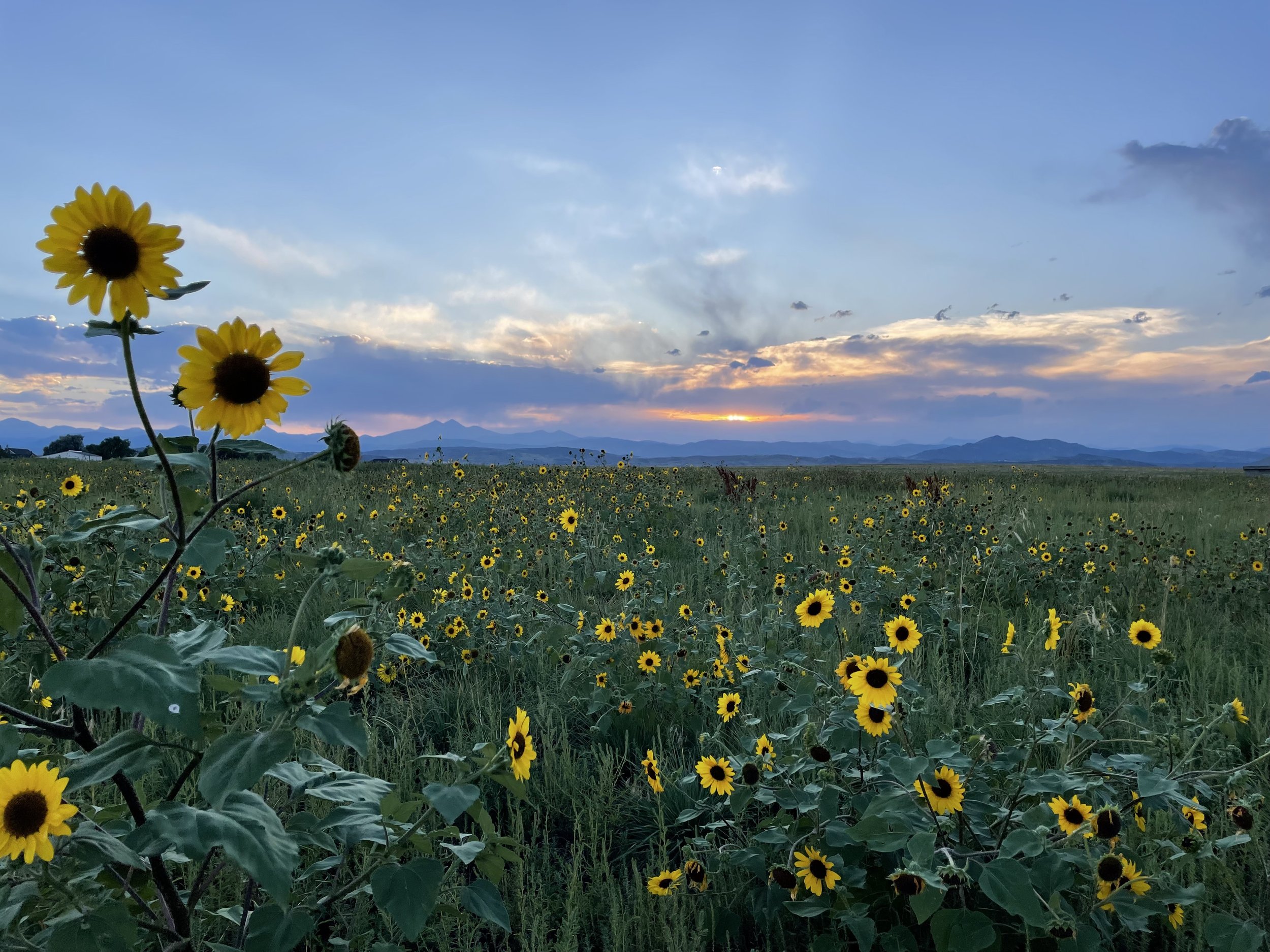
After buying the land in 2015, Carina and her partner began to think about what to do with it. “What we were looking for was to be part of a more localized food system,” she says.
“Working towards food sovereignty, we wanted to do something along the lines of agrotourism to share the excitement and knowledge around farming, and what it can be.”
They successfully raised heritage pig breeds and grew hemp until they went their separate ways in 2020. Carina was able to keep the land - a blank slate to start a business on her own. Now that she had the time, she began to think about what she wanted to do with Yellowstone Hill.
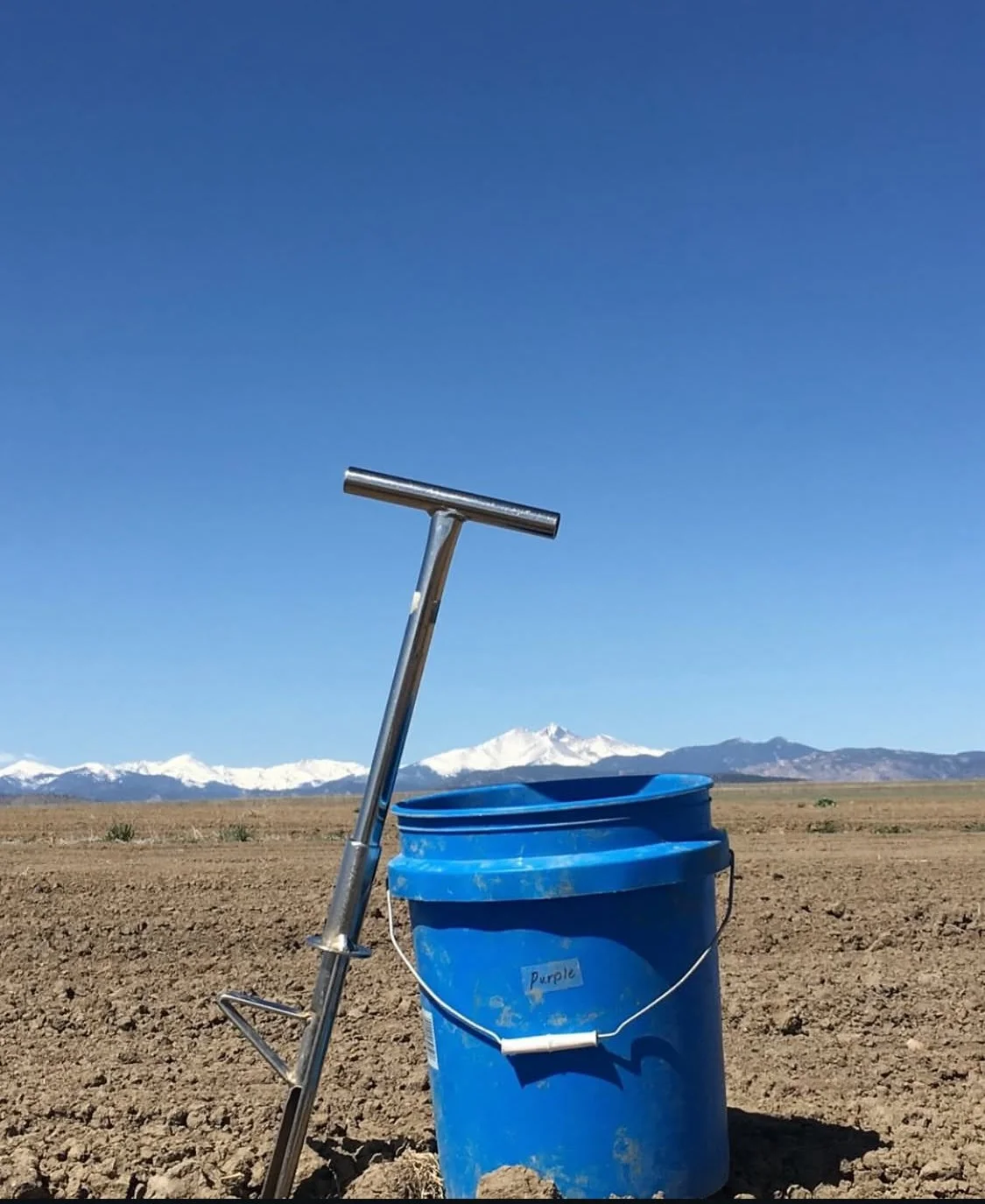
“I’ve always wanted to lean far into local food sovereignty and the opposite approach to the Big Ag of my youth,” she says. “I was trying to figure out how to make that transition.” As she found her way, she took classes in agroforestry and permaculture, and had a friend survey her land to see where these practices could be applied.
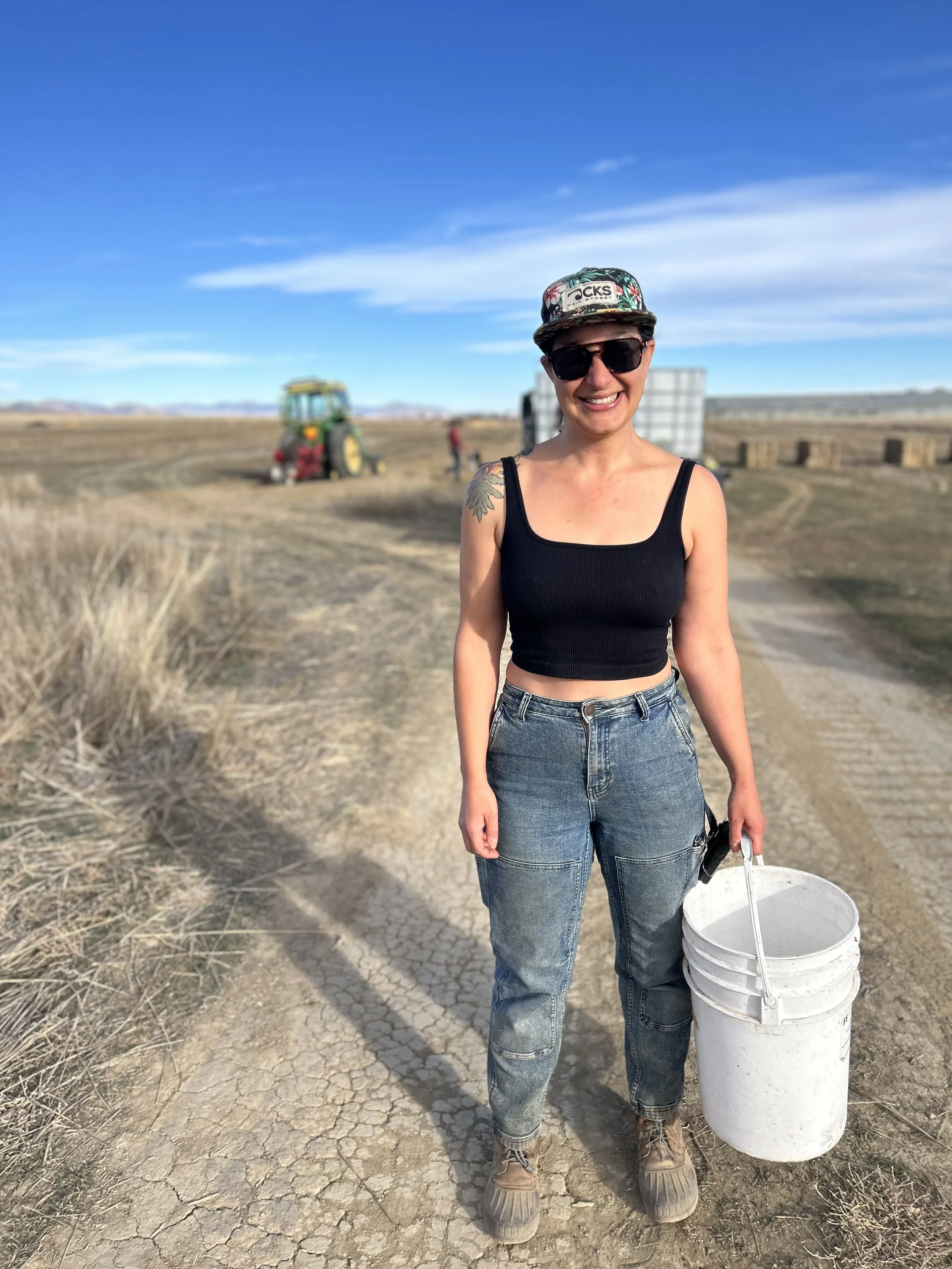
“[The Restore grant] was the first big step towards regenerating Yellowstone Hill. You guys helped lay the foundation for the future.”
- Carina Fisher
Taking the First Step
The first part of that journey was ZFP’s Restore grant. “That was the first big step towards regenerating Yellowstone Hill. You guys helped lay the foundation for the future,” Carina says.
With the grant, Carina has been able to plant hedgerows and forage plantings, as well as use compost. “When we got the grant from you guys we were able to put in our twenty-six hundred trees and forty acres of perennial grass hay.”
Carina’s vision for regenerating her land is what she calls “agriculture-supported community.” In Longmont, Colorado, rapid gentrification and rising costs of living have led to what she describes as “hidden hunger.” She’s working to change that by providing high-quality food to her neighbors free of charge. To fund this effort, Carina grows native plants for landscaping companies, plants that not only generate income but also help restore and regenerate her soil.
“I'm focusing on perennials and medicinals, bioremediators and nitrogen - everything that is working towards regenerating local soil. That is how I intend to fund this future free food project - it’s my driving force.”
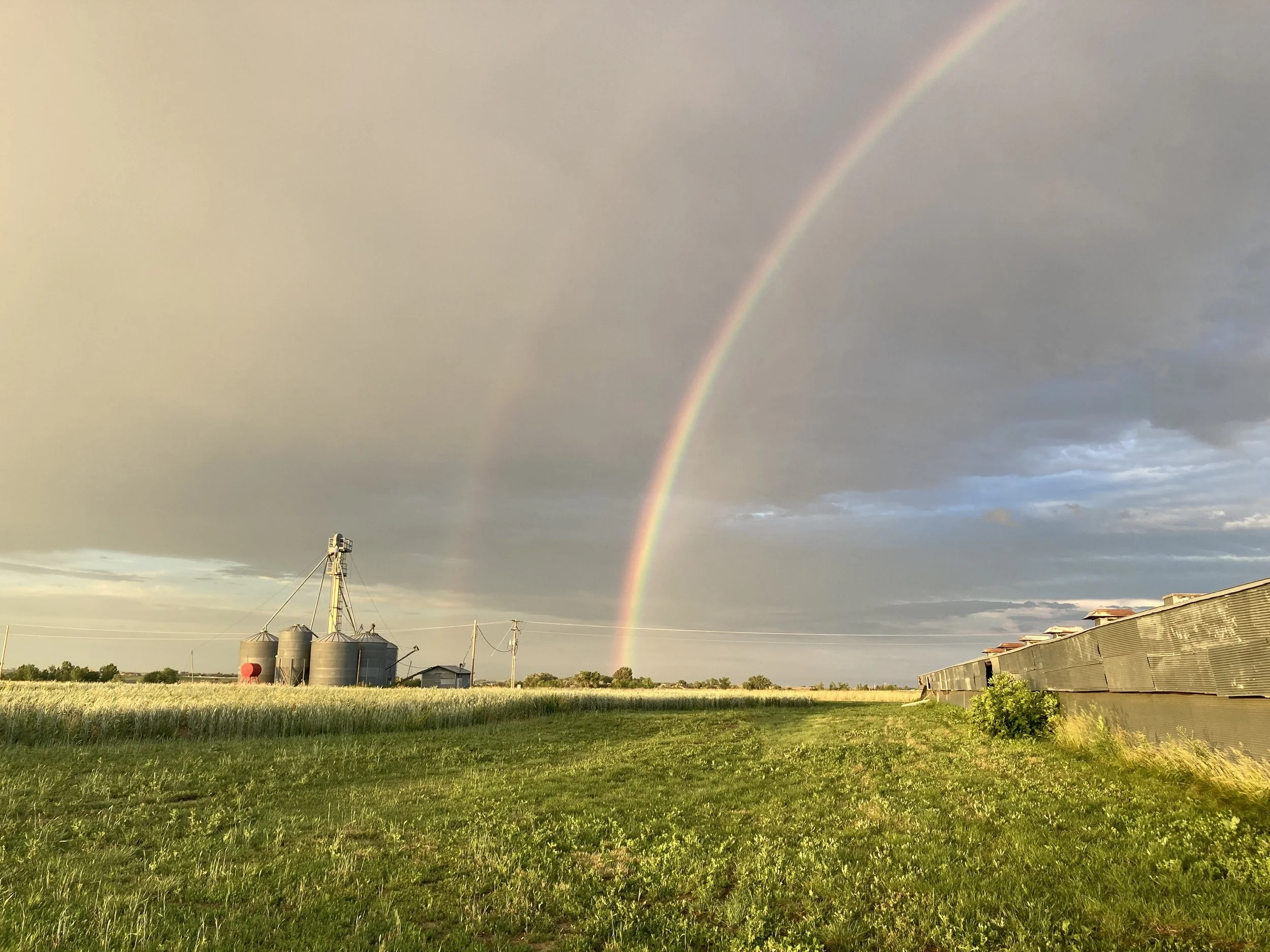
About Yellowstone Hill Farm
Yellowstone Hill Farm and Learning Center exists to serve the community as a model for land regeneration, ecosystem restoration, and localized agricultural initiatives. Through education, community-driven farming, and ethical ecology, we empower individuals to reconnect and grow a resilient future - Together.
-
Zero Foodprint awards grants for projects that take carbon out of the atmosphere and put it back where it belongs: in the earth, creating healthy soil and better food. To do this, we focus on regenerative farming practices like composting, cover cropping, and managed grazing that can restore life to our soil while removing carbon from the atmosphere. Together, we have the power to grow more nutritious food, heal natural water cycles, and create habitat for biodiversity to thrive. Explore previously funded projects to see what this might look like on your farm.
For more information, read through other Restore Grant FAQs.oes here
Zero Foodprint (ZFP) is a nonprofit organization restoring the climate, one acre at a time. We believe that by regenerating soil, local food economies can play a critical role in reversing the global climate crisis. We work with food and beverage businesses, philanthropy, and government to bring the next dollar to implement the next regenerative practice on the next acre. This regenerative economy benefits every person who grows food, every person who sells food, and every person on this planet who eats food.
