
Pinion Farm Homestead
A couple preserves southwestern Colorado’s heritage apple varieties on land they are revitalizing with the help of a Restore grant.
15 acres
•
690 tons CO2e
•
Tree & Shrub Establishment
•
15 acres • 690 tons CO2e • Tree & Shrub Establishment •
Preserving Colorado’s Apples
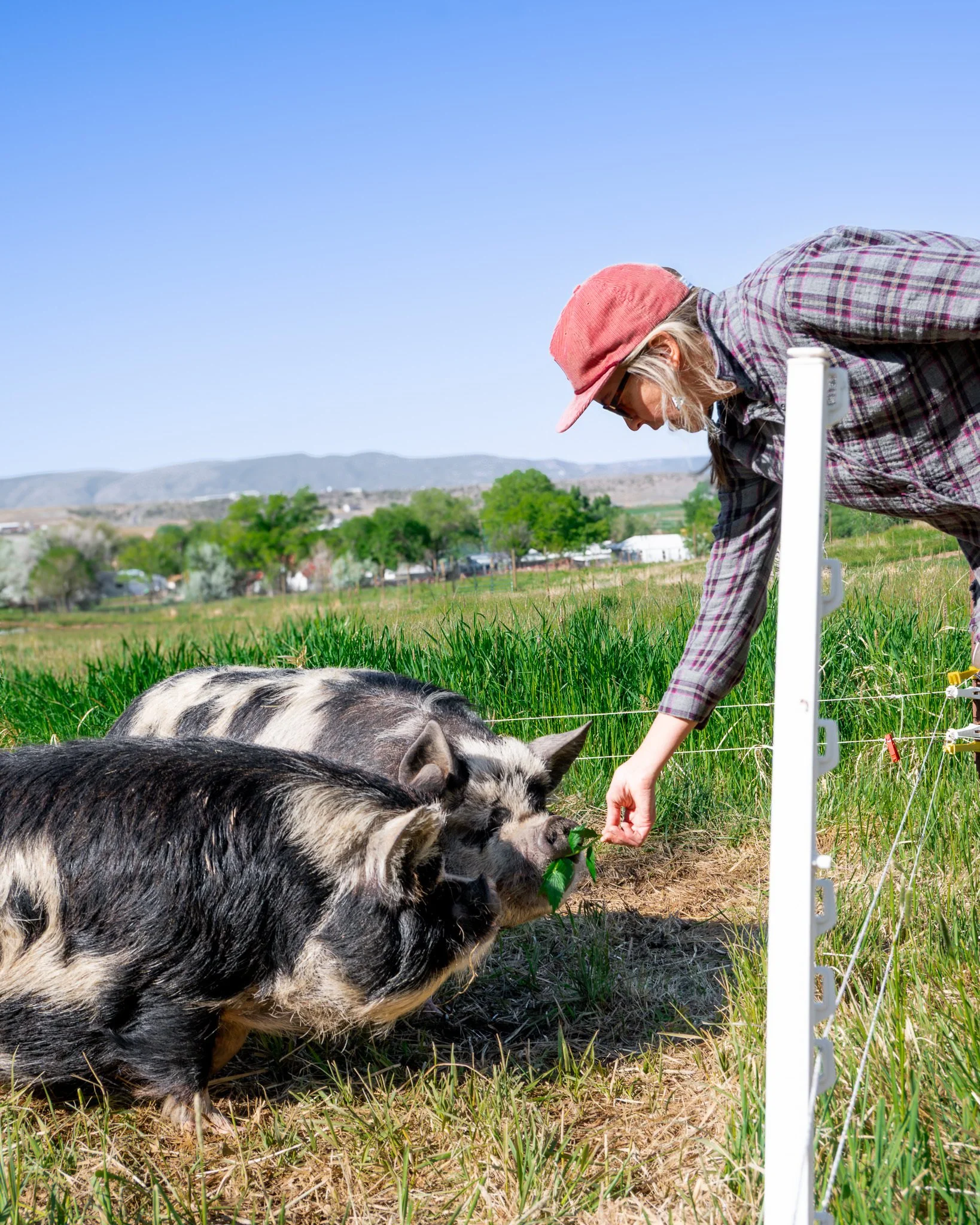
Melanie Eggers has come a long way from her roots on a large, conventional corn farm in the Midwest. Along with her husband, Erik Johansson, she now manages Pinion Farm Homestead, a twenty-acre apple orchard dedicated to preserving the rare and heirloom apple varieties of the region.
Since buying the property in 2016 with a beginner farmer loan, Melanie and her husband have focused on revitalizing the land. Originally overgrazed grassland and alfalfa, they are gradually transforming the farm through practices inspired by restoration agriculture, including creating swales and pocket ponds to change how water moves through the land.
Finding the Orchard
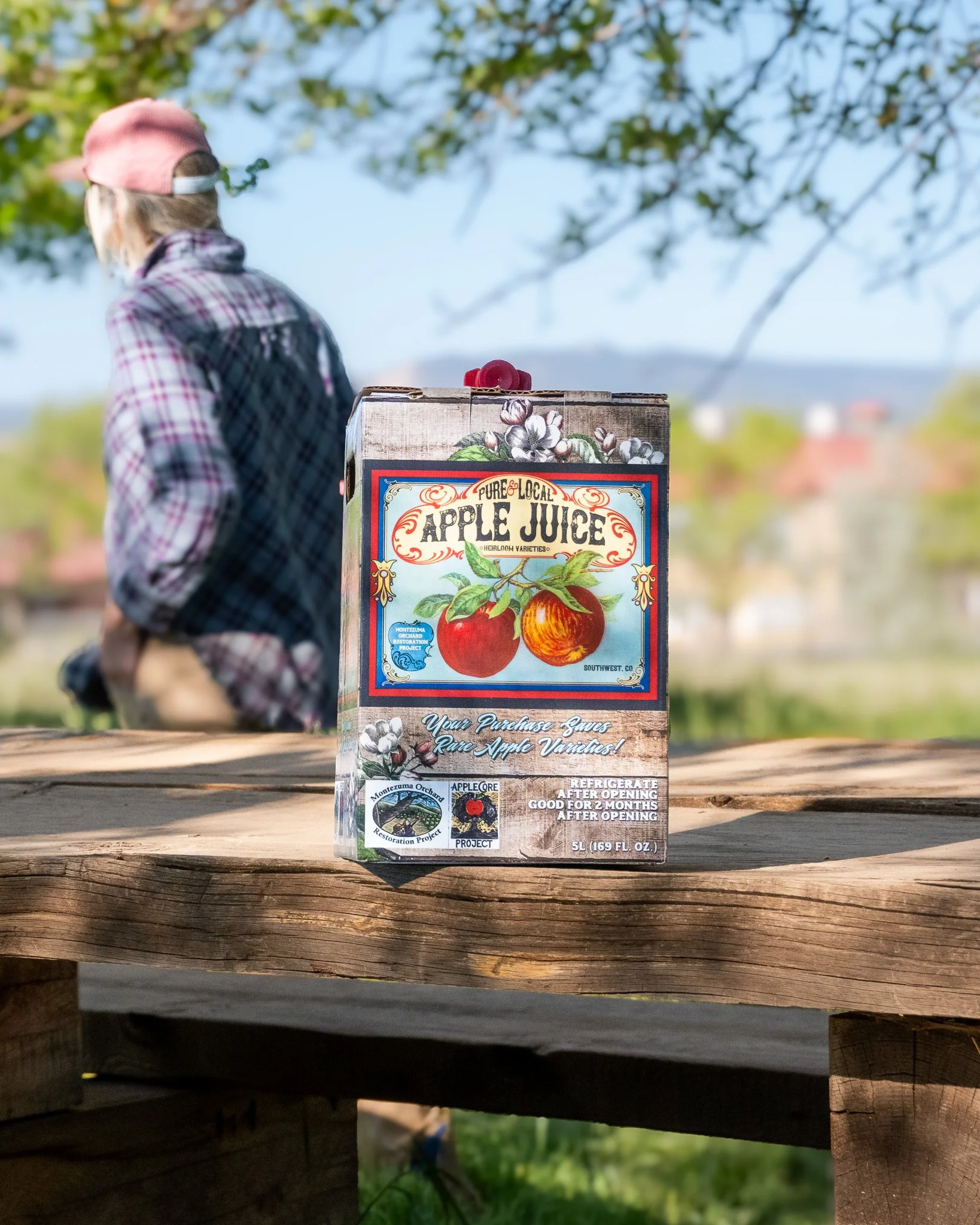
The apple orchard on Pinion Farm was just what Melanie had been looking for. When they found it, she and her husband had recently created the Apple Core Project, a nonprofit focused on restoring heirloom apple orchards in southwest Colorado. She and Erik had learned to graft trees and identify the region's different apple varieties before finding the farm, and the property became an opportunity to put that work into practice.
They began the process of reversing the damage done to their soil by overgrazing. A ZFP Restore grant helped the Melanie and Erik take the next step in that process. After earlier grants supported the establishment of waterways, the Restore Grant provided funding for the installation of woody trees and shrubs along them, to prevent soil erosion and to help with water retention.
Of their efforts, Melanie says that, “sequestering carbon…that's like the ultimate goal, and then improving our soil, decreasing soil erosion…and providing food for pollinators.”
Building Community
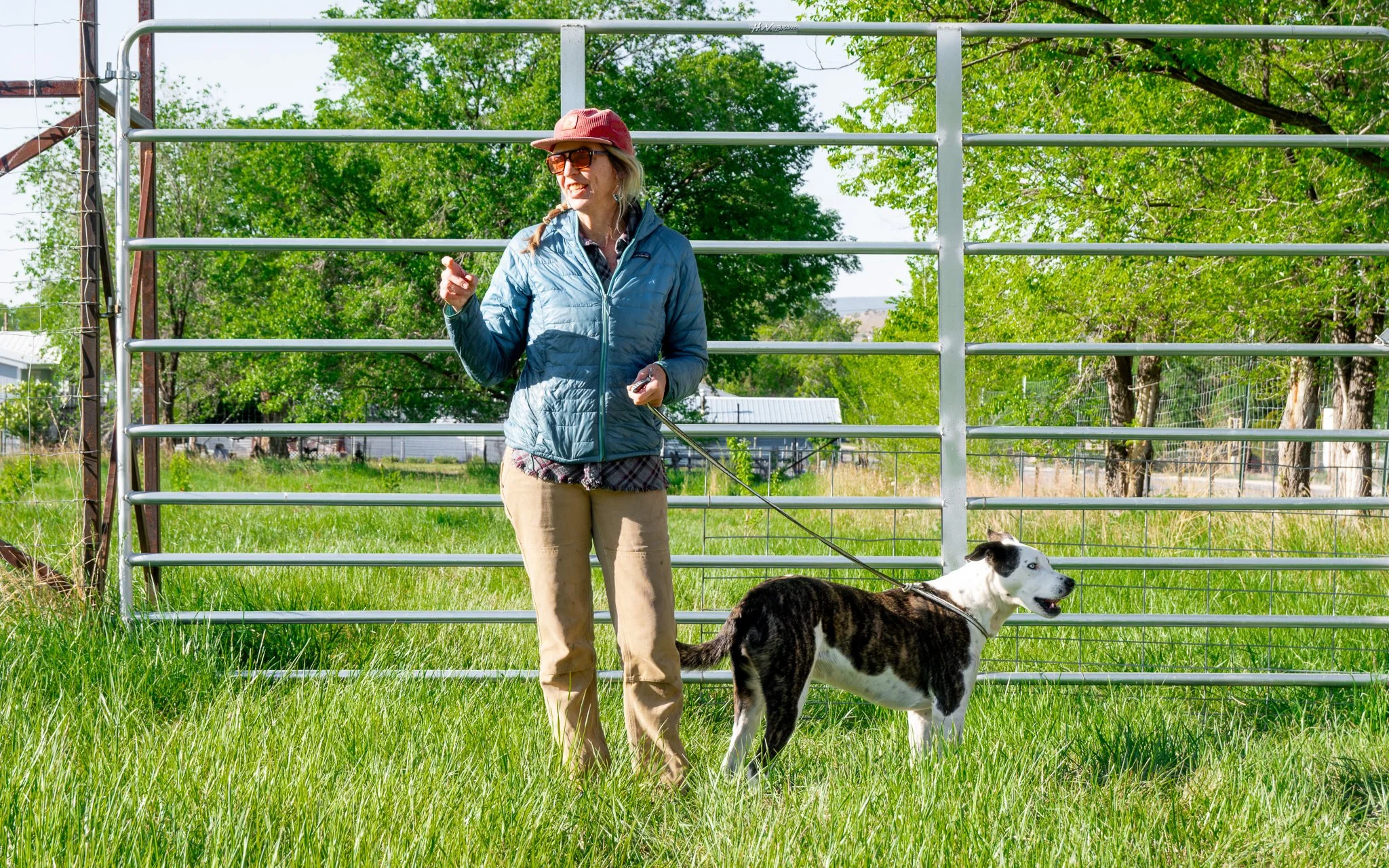
For Melanie, the farm is about more than restoring their own land. Located on the main street of their town, Pinion Farm Homestead is also a place where she hopes people can learn about restoration agriculture. She and Erik have already hosted workshops that brought their community to the farm to learn about what they do, and they hope to do more as the landscape develops.
About The Apple Core Project
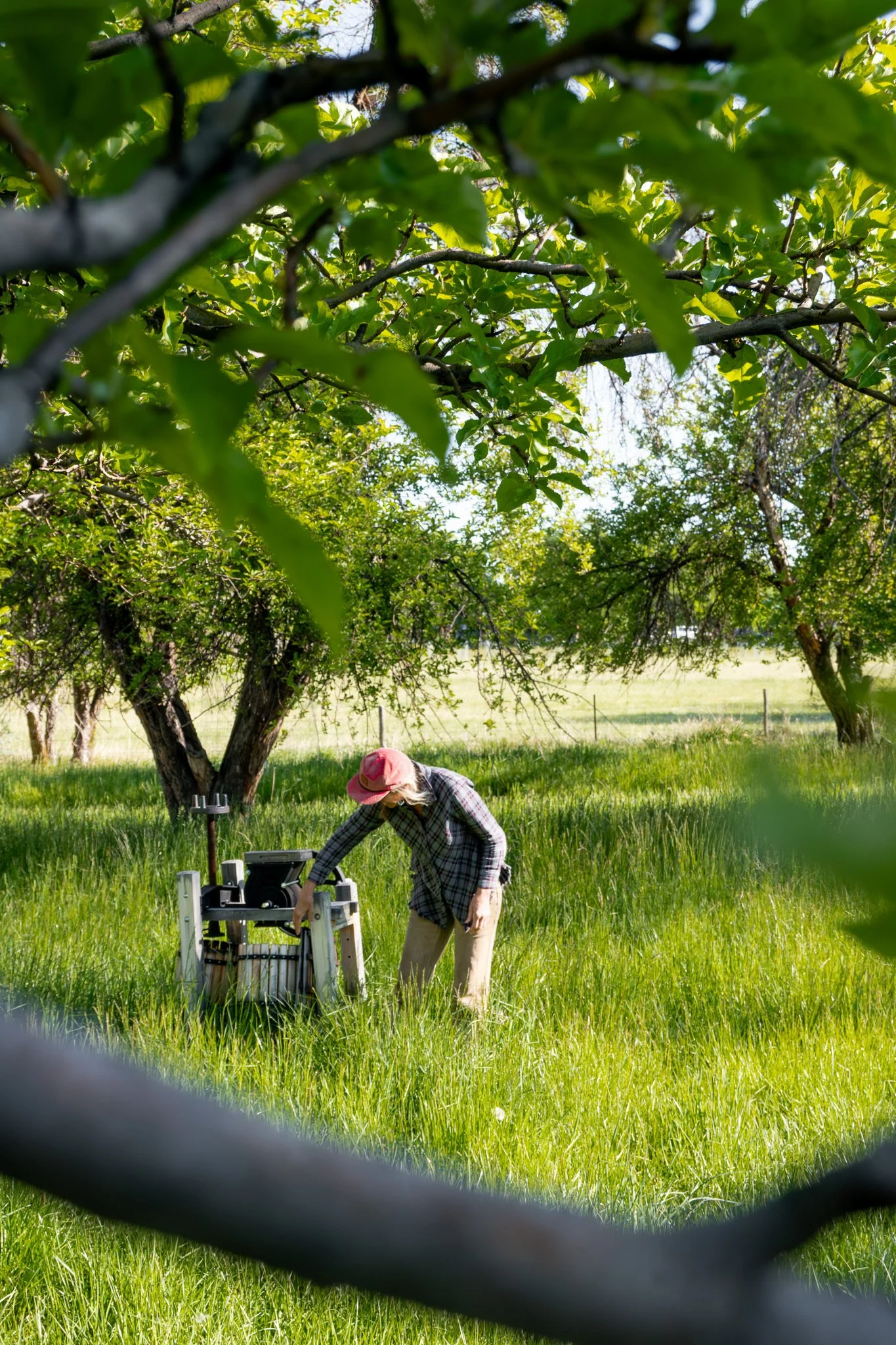
“The Apple Core Project preserves Western Colorado's fruit heritage and saves rare apple genetics by grafting and planting trees, mapping orchards and providing educational programming to promote a healthy agrarian ecosystem within our communities of west San Miguel and Montrose Counties.”
-
Zero Foodprint awards grants for projects that take carbon out of the atmosphere and put it back where it belongs: in the earth, creating healthy soil and better food. To do this, we focus on regenerative farming practices like composting, cover cropping, and managed grazing that can restore life to our soil while removing carbon from the atmosphere. Together, we have the power to grow more nutritious food, heal natural water cycles, and create habitat for biodiversity to thrive. Explore previously funded projects to see what this might look like on your farm.
For more information, read through other Restore Grant FAQs.oes here
Zero Foodprint (ZFP) is a nonprofit organization restoring the climate, one acre at a time. We believe that by regenerating soil, local food economies can play a critical role in reversing the global climate crisis. We work with food and beverage businesses, philanthropy, and government to bring the next dollar to implement the next regenerative practice on the next acre. This regenerative economy benefits every person who grows food, every person who sells food, and every person on this planet who eats food.
