
USCC
Compost Study
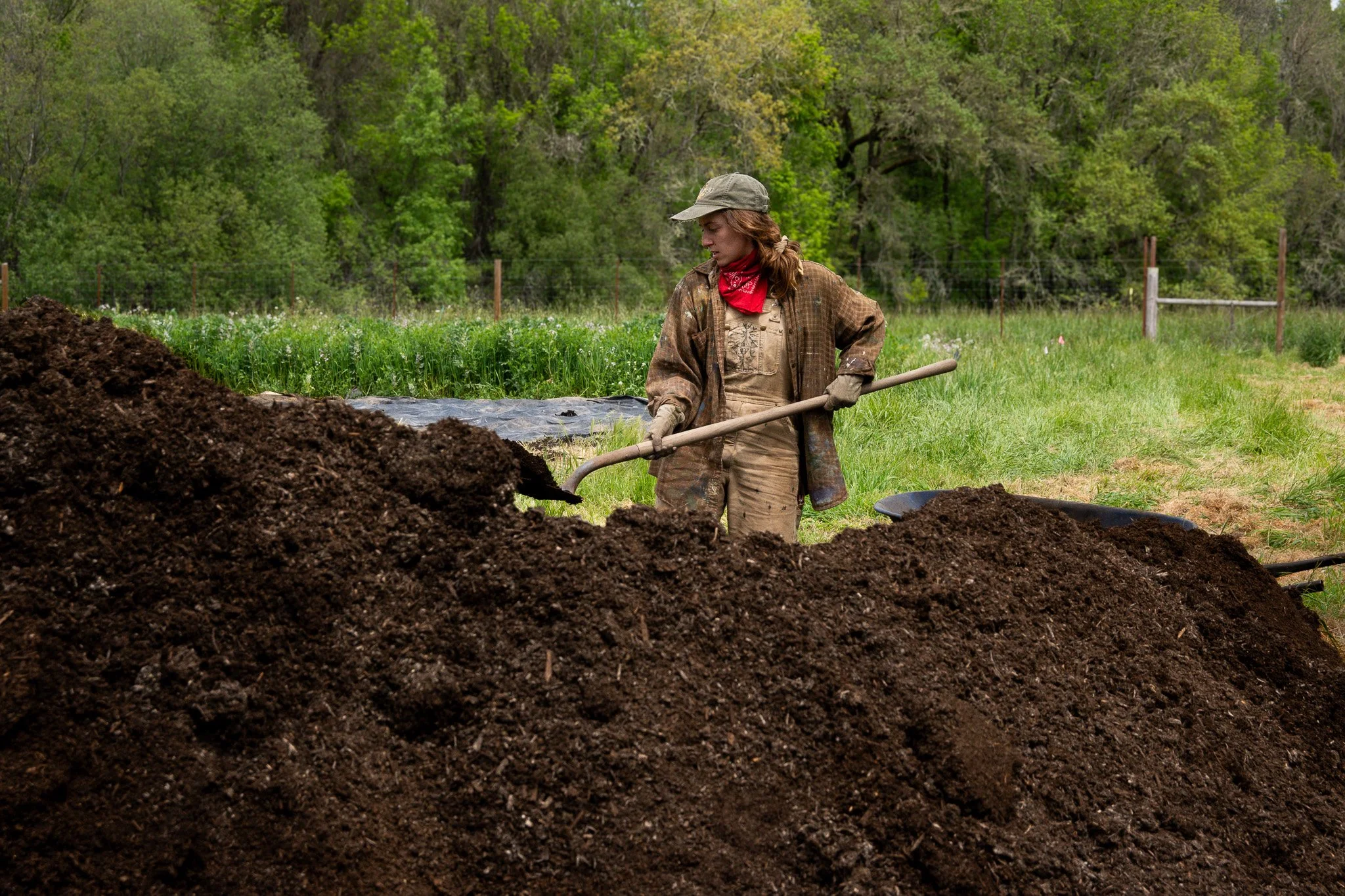
Zero Foodprint has partnered with the US Composting Council to provide funding for compost application trials.
Program
Overview
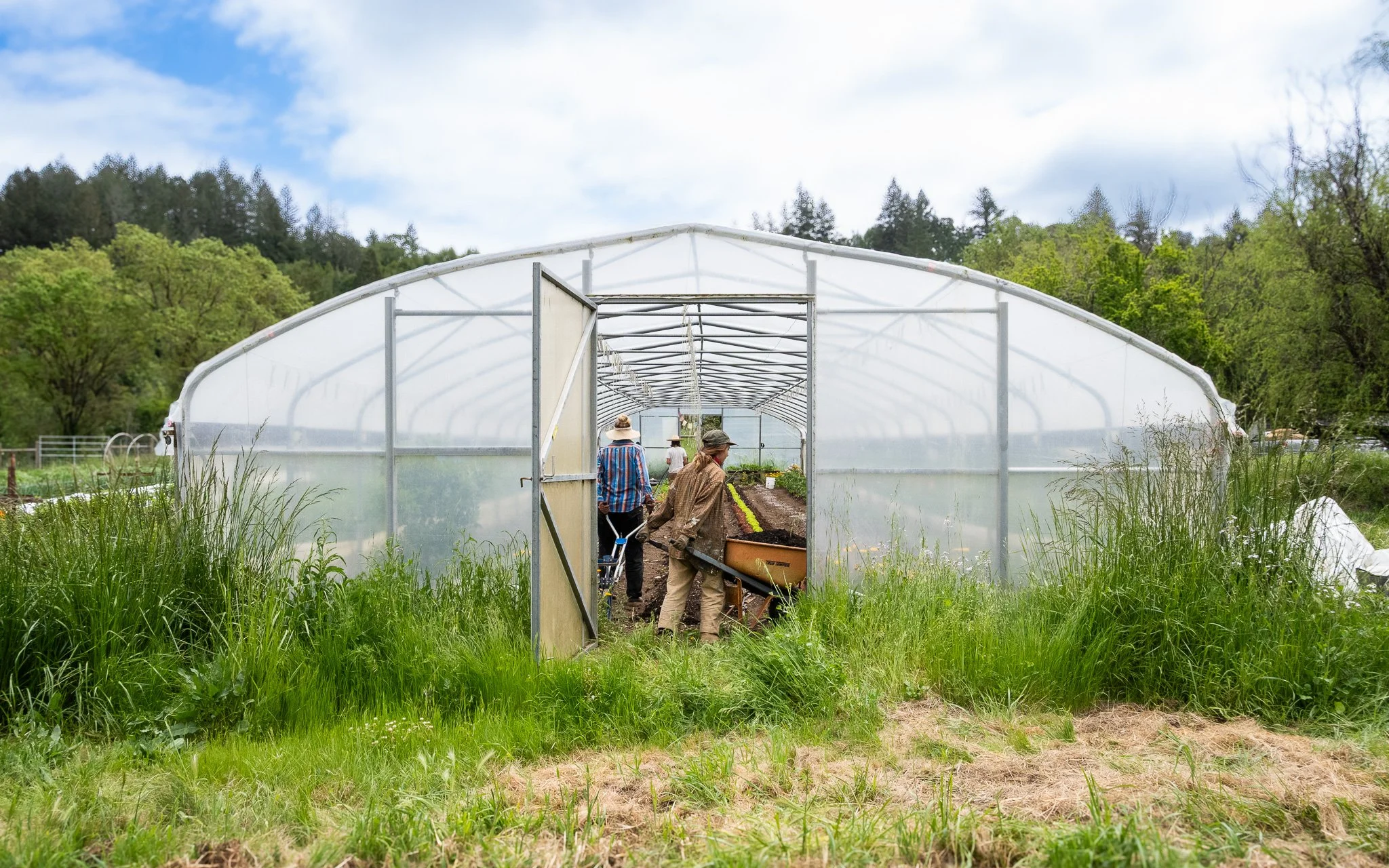
The USCC Funding Opportunity is made available through a USDA Conservation Innovation Grant (CIG, Project ID: NR243A750011G048) evaluating the environmental, economic, and social benefits of compost application across a variety of soil types, production systems, and compost application rates in California, Colorado, and Washington. Participants will receive up to $12,800 for one compost application to take place in 2026 or 2027.
There are two types of scientific trials being run as part of this project: Agronomic (AT) and Variable Rate Trials (VRT).
The information on this webpage is for Agronomic Trials only.
Application Overview
Step 1: Review the USCC Compost Study Grower Guide and determine your site’s eligibility.
Step 2: Submit your application yourself OR work with a preferred Technical Assistance Provider to submit an application for you.
Step 3: Selected applicants move forward with the Natural Resource Conservation Service (NRCS) approval process.
This project requires at least one NRCS review and approval before any compost can be purchased. Timelines from applying to the program to purchasing compost could be up to 3 months, which may mean the season you apply is not the season for which you are approved to purchase compost.
Application Information For Growers
$105/ton for compost purchases on a minimum of 4 acres, not to exceed $12,800.
For detailed information, review the USCC Compost Study Grower Guide.
FAQs
-
Sites must be
Located in California, Colorado, or Washington
Annual crops, orchards and vineyards, or rangelands
Privately owned and operated
Minimum 4 practice acres
All applicants must be willing to submit the materials required by NRCS for approval of their site, described below.
See the Grower Guide for the full list of eligibility requirements.
-
Sites will need to provide:
A current Farm Service Agency (FSA) Farm number and certify that the applicant is the land owner or operator
Confirmation that EQIP eligibility has already been documented with their local FSA or NRCS office OR they will complete the required steps prior to being selected for NRCS review. See Grower Guide for more information
A map of the farm tract with the site of proposed compost application clearly identified. See Grower Guide for instructions.
Historical funding: If a site has ever received funding from a federal source for compost application on the proposed acreage, they will be deemed ineligible by NRCS.
-
You do not need technical assistance to submit an application, but you will need to work with a preferred or assigned Technical Assistance Provider if you are approved by NRCS. TAPs are encouraged to submit an application for the growers they will be working with. See the TAP Guide for eligibility and activity requirements.
-
Participants will receive $105/ton for compost material, delivery, and spreading costs, NOT TO EXCEED $12,800 per site, for one compost application in 2026 or 2027. Note that the budget may cover 100% OR LESS than the full project cost.
-
Growers must use an STA-certified product from an STA-certified facility or provide a strong justification for an alternative. See Grower Guide for compost sourcing requirements.
-
A site is defined as a tract of land with its own FSA tract number. Growers can apply for more than one site if they meet the following criteria:
Same FSA #, but different Field numbers per site (max 3)
Same FSA #, but different production systems (max 3: orchard, cropland, or rangeland)
Same FSA #, but different soil types (max 3: clayey, loamy, sandy texture)
Different FSA #s for different sites (no max)
Growers will need to submit separate applications for each site.
-
Please read the Grower Guide and TAP Guide to understand the requirements and timelines for this program before applying.
Conservation
innovation.
This funding is available through a Conservation Innovation Grant from the US Department of Agriculture.
Application Information For Technical Assistance Providers
TAPs can submit applications for growers in their network.
For more detailed information, review the USCC Compost Study TAP Guide.
FAQs
-
Contracted TAP can bill up to $4,500 per site to complete the scope of work included in the TAP Guide. TAP budgets are based on deliverables completed. TAPs will be paid after submitting routine invoices outlining work completed.
-
See the TAP Guide for details on all aspects of TAP responsibilities. Generally speaking, the TAP will lead the following:
Initial site visit and baseline soil testing
Nutrient Management Plan (NMP) data collection and preparation
Implementation Plan preparation
Compost application verification
Final year site visit and soil sampling in 2029
-
Contracted TAPs will work closely with their state’s project regional leads, who are responsible for reviewing and approving all work for compliance with NRCS requirements and will be available as needed to support sites and TAPs.