
A vineyard owner makes big changes to save her struggling soil
5 acres
•
69 tons CO2e
•
Compost Application
•
5 acres • 69 tons CO2e • Compost Application •
An Unexpected Career Path
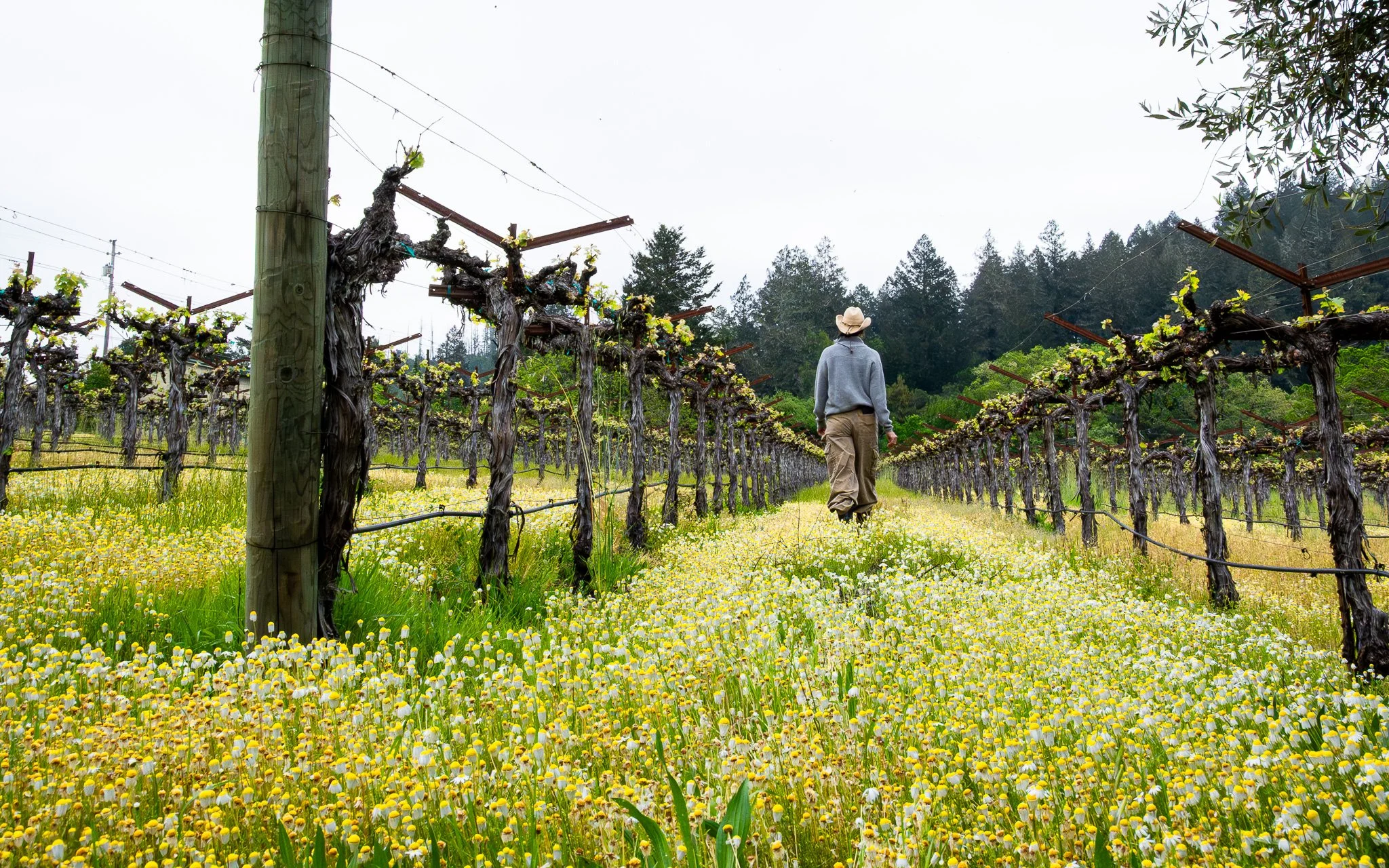
Thais Williams had never planned to own a vineyard. But after seeing “a perfect little farmhouse” on a spontaneous drive through Cloverdale, CA, she became the owner of Nineveh Vineyards in 2016. What began as a leap of faith became a deeper education in farming. After five years of farming conventionally, Thais began to notice that she was using more and more water to keep her vines healthy.
“I [just thought], this is a huge quantity of water - what's happening? Where is all this water going? The vines [were] looking more stressed with more water. That [didn’t] seem right.”
Thais realized that switching her vineyard from the organic practices of the previous owners to conventional farming had caused a decline in the quality and resilience of her fruit. “That started me thinking - we probably depleted anything that was alive and healthy in this soil.”
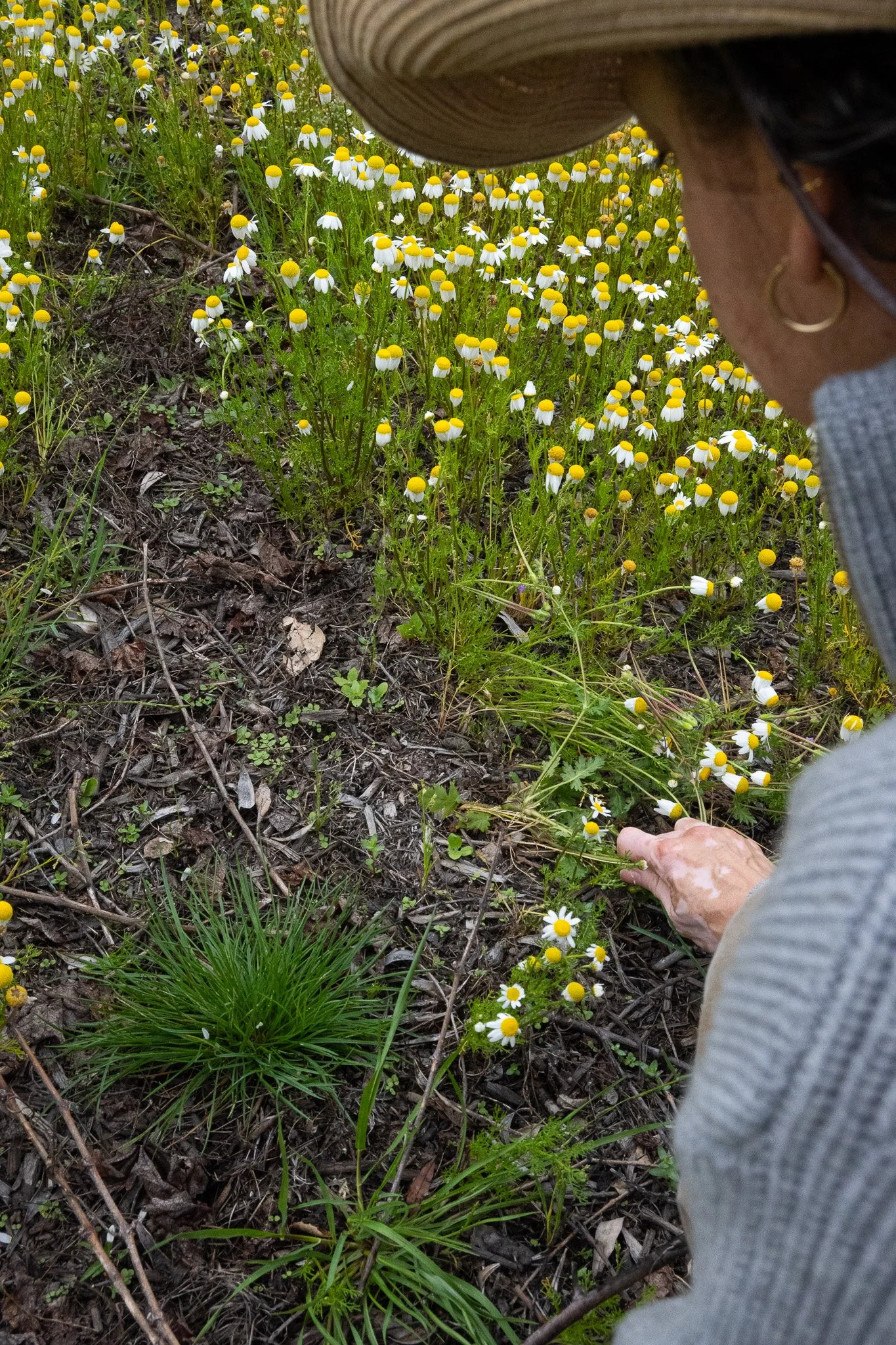
“If I can make the whole land better and make the world a little bit better at the same time, then [that’s] great.”
- Thais Williams
The Search for a Soil Solution
Despite the financial risk, Thais knew that in order to regain the health of her vines, she had to replenish the health of her soil. The problem was finding the money. Thais had used conventional farming methods because they cost less, and it would require more money than she could spare to switch to regenerative.
With a full-time job in addition to running the vineyard, she spent her nights searching for grant opportunities that would subsidize her regenerative transition. This proved to be a much more challenging and confusing process than she had anticipated, at certain points even “terrible,” according to Thais.
After a lucky Google search, she found the HSP grant with ZFP. She applied and was accepted within a week.
Since receiving a grant from ZFP, Thais is now two years into her journey to revitalizing her soil. She no longer uses pesticides and has begun to plant cover crops, use compost, and practice no-till farming. Her goals are clear: vibrant grapes, and soil that both retains water and sequesters carbon.
Thais explains, “If I can make the whole land better and make the world a little bit better at the same time, then [that’s] great.”
-
Zero Foodprint and the California Department of Food and Agriculturehave partnered to provide Healthy Soil Program Grants to California farmers and ranchers. Current grantees are implementing 1-3 year-long soil conservation management practices.
Zero Foodprint (ZFP) is a nonprofit organization restoring the climate, one acre at a time. We believe that by regenerating soil, local food economies can play a critical role in reversing the global climate crisis. We work with food and beverage businesses, philanthropy, and government to bring the next dollar to implement the next regenerative practice on the next acre. This regenerative economy benefits every person who grows food, every person who sells food, and every person on this planet who eats food.
