
A to Z Wineworks
Oregon’s largest winemaker stays committed to its longstanding sustainable practices with ZFP’s Restore grant
90 acres
•
274 tons CO2e
•
Compost Application
•
90 acres • 274 tons CO2e • Compost Application •
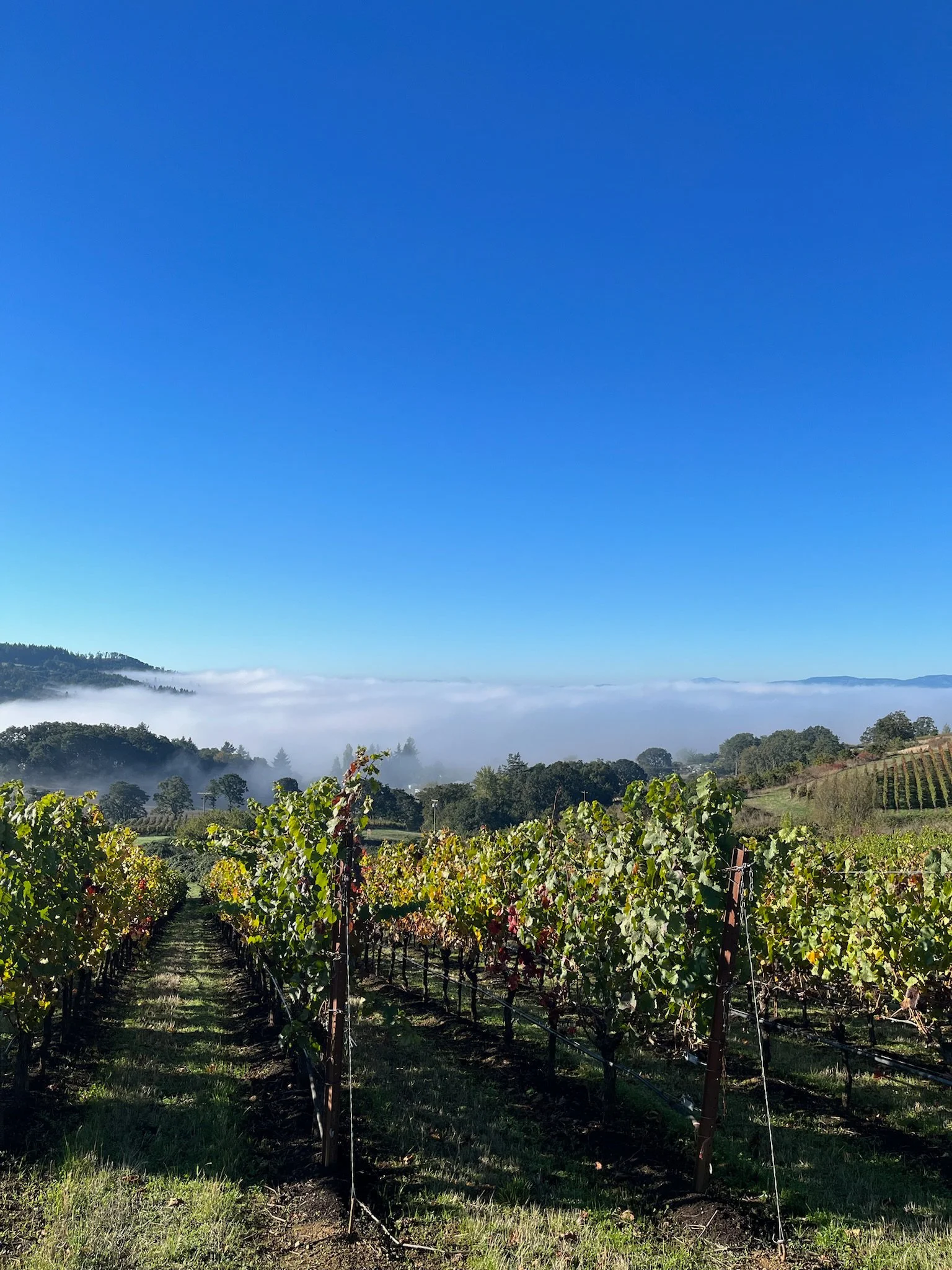
A Leader in Sustainable Winemaking
As one of Oregon’s top-selling wine brands, A to Z Wineworks is also an industry leader in sustainability. Organic certified since 2001 and a member of the International Wineries for Climate Action, A to Z has a longstanding commitment to climate-conscious winemaking. Devin Weeks, A to Z’s resident viticulturist and farm manager, came to the program in 2018 and has helped to maintain these standards.
“Our approach is holistic farming,” he says. “The only thing that really leaves the property is grapes. Everything else - wood material, plant materials, [they’re] all mulched and put back into our soil.” In addition to being certified organic, they biodynamic farming methods, using “good sustainable practices with minimal inputs - [it] has really boosted the vineyard health.”
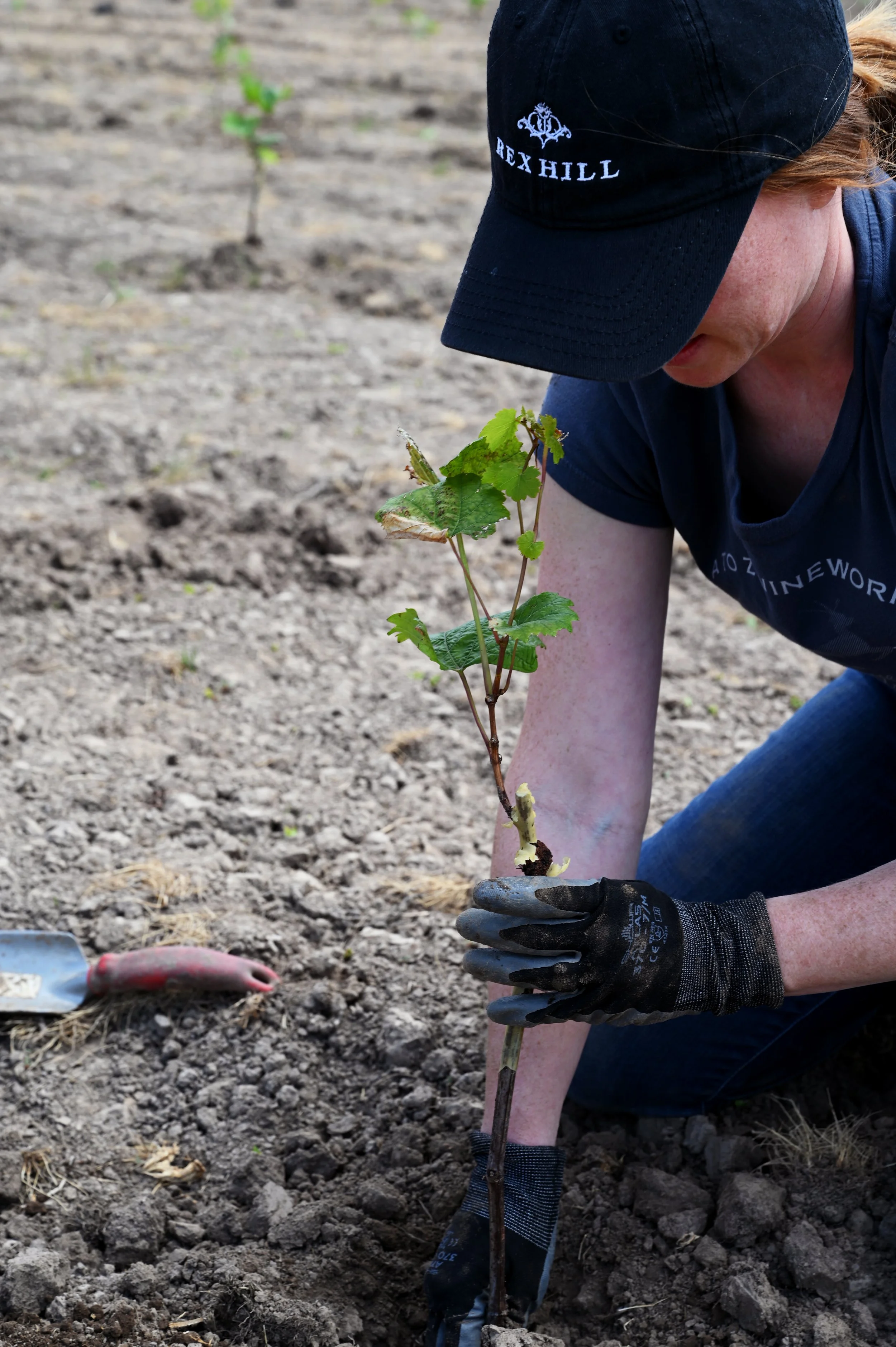
”With this grant, it made it possible to jumpstart our soil health in one year.”
-Devin Weeks
A Hands-On Approach
Because A to Z Wineworks is a large operation, implementing regenerative practices over many acres requires a large amount of labor, time, and financial resources.
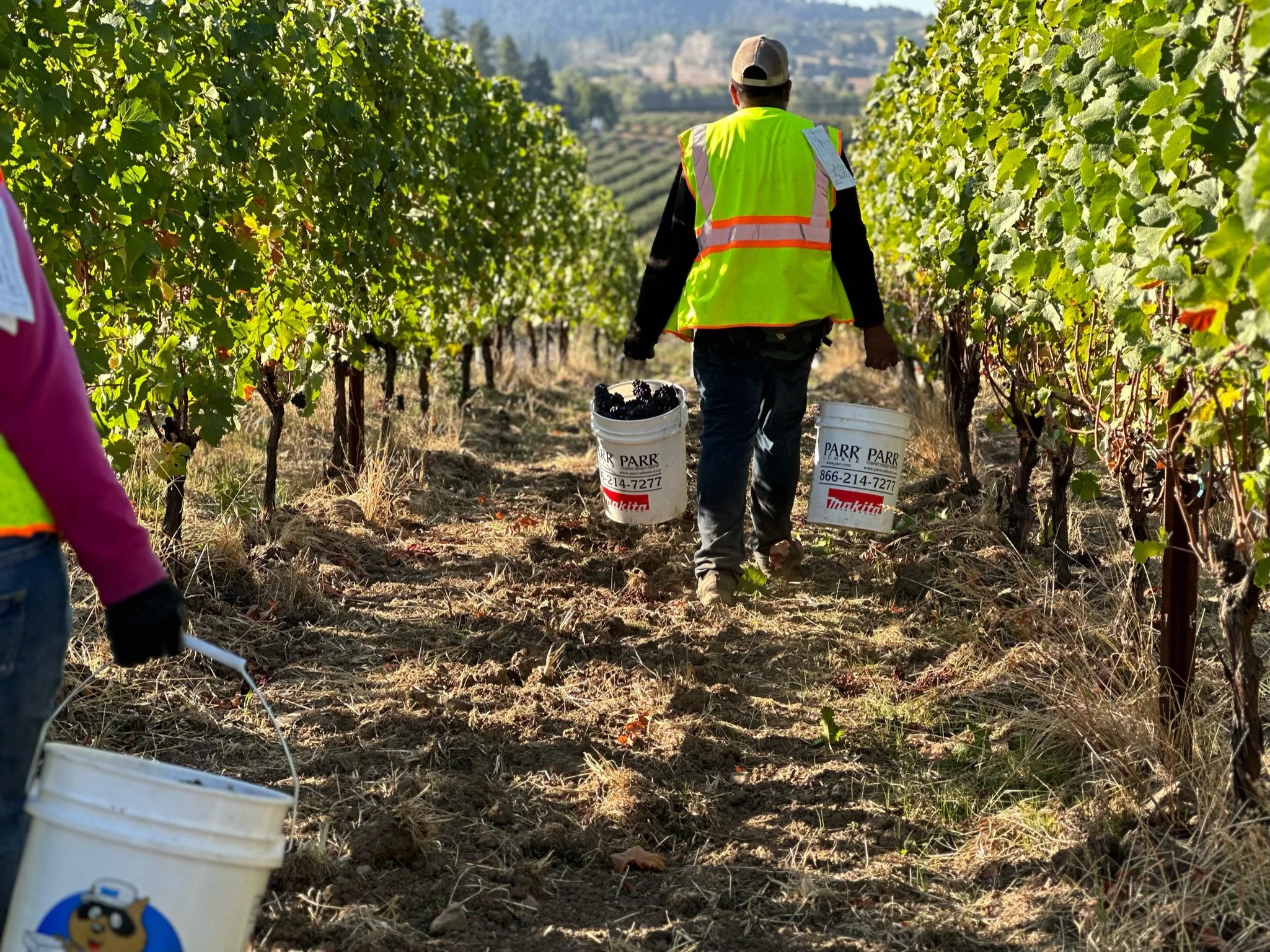
“It's not inexpensive. Everything we do is a lot of manual labor, a lot of hand touch versus machine-mechanized touch. We hand-remove weeds, we don't spray. A lot of labor goes into this. It's represented not only in the quality of the grapes, but the presentation of the vineyard. It's not clean cut, manicured. It's dirty, lumpy. Rough around the edges. Just a little more wild.”
Scaling Up Regeneration
Scaling this kind of effort is difficult. So when New Seasons Market, A to Z’s distributor and a ZFP member, suggested that the winemaker apply to ZFP’s Restore grant, A to Z seized the opportunity. Once it was awarded, New Seasons Market was able to contribute funds to A to Z’s Restore grant, and Devin and his team were able to get the support needed to increase the practices that they were already using.
“Normally we'll do a five year compost program, where financially we can really only apply [compost to], say, a quarter of each vineyard a year.” Devin explains. “With this grant, it made it possible to jumpstart our soil health in one year.”
This intentional, regenerative approach has come to define A to Z’s wine, inspiring a pride that comes from years of thoughtful land stewardship. Devin explains that “It's a lot about the story, and being proud of where our grapes come from. How that turns into a clean bottle of wine.”
About A to Z Wineworks
WE ARE A TO Z! Behind each wine bottle, you’ll find an amazing cast of characters contributing at each step from farm to table. Producing wine in Oregon since 2002, A to Z Wineworks’ employees have worn many hats to help build where we are today.
A to Z LLC brings together three of Oregon’s most iconic wine brands—A to Z Wineworks, REX HILL, and Erath—united by a shared commitment to quality, sustainability, and the enduring character of Oregon wine. Our people share a passion for what makes Oregon wine special – Rooted in Place. Distinct in Personality. Nationally Recognized.
-
Zero Foodprint awards grants for projects that take carbon out of the atmosphere and put it back where it belongs: in the earth, creating healthy soil and better food. To do this, we focus on regenerative farming practices like composting, cover cropping, and managed grazing that can restore life to our soil while removing carbon from the atmosphere. Together, we have the power to grow more nutritious food, heal natural water cycles, and create habitat for biodiversity to thrive. Explore previously funded projects to see what this might look like on your farm.
For more information, read through other Restore Grant FAQs.oes here
Zero Foodprint (ZFP) is a nonprofit organization restoring the climate, one acre at a time. We believe that by regenerating soil, local food economies can play a critical role in reversing the global climate crisis. We work with food and beverage businesses, philanthropy, and government to bring the next dollar to implement the next regenerative practice on the next acre. This regenerative economy benefits every person who grows food, every person who sells food, and every person on this planet who eats food.
