
Our 2025 Annual Report is Here
From getting the top spot on Fast Company’s list of the most innovative agriculture companies in the world to teaming up with The Lumineers, 2025 was a year of accomplishments for ZFP

A Community Hub
2025 marked a major year of growth for ZFP. We launched Supply Chain Regeneration Grants, a new program that allows brands to reinvest in their own supply chains, advance their climate goals, and engage customers in meaningful climate action. Companies like Tillamook and Bob's Red Mill became official Regeneration Sponsors, giving them a direct role in the grantee selection process.
Across five grants and programs, we funded 222 farm projects and awarded a total of $1.7 million to support regenerative farming practices. Together, these projects are projected to sequester 113,000 tons of greenhouse gases, a number that we hope to exceed in 2026.
What You’ll Find Inside
Inside the 2025 Annual Report, you’ll find stories and updates from across the Zero Foodprint community, from our work with businesses, ZFP Members, and Regeneration Sponsors to our collective action campaigns, philanthropic and government partners, and the Eaters helping make this work possible. You can also read about impact highlights from our Restore, Supply Chain Regeneration, and Compost Connector programs, as well as our government-supported grant partnerships.
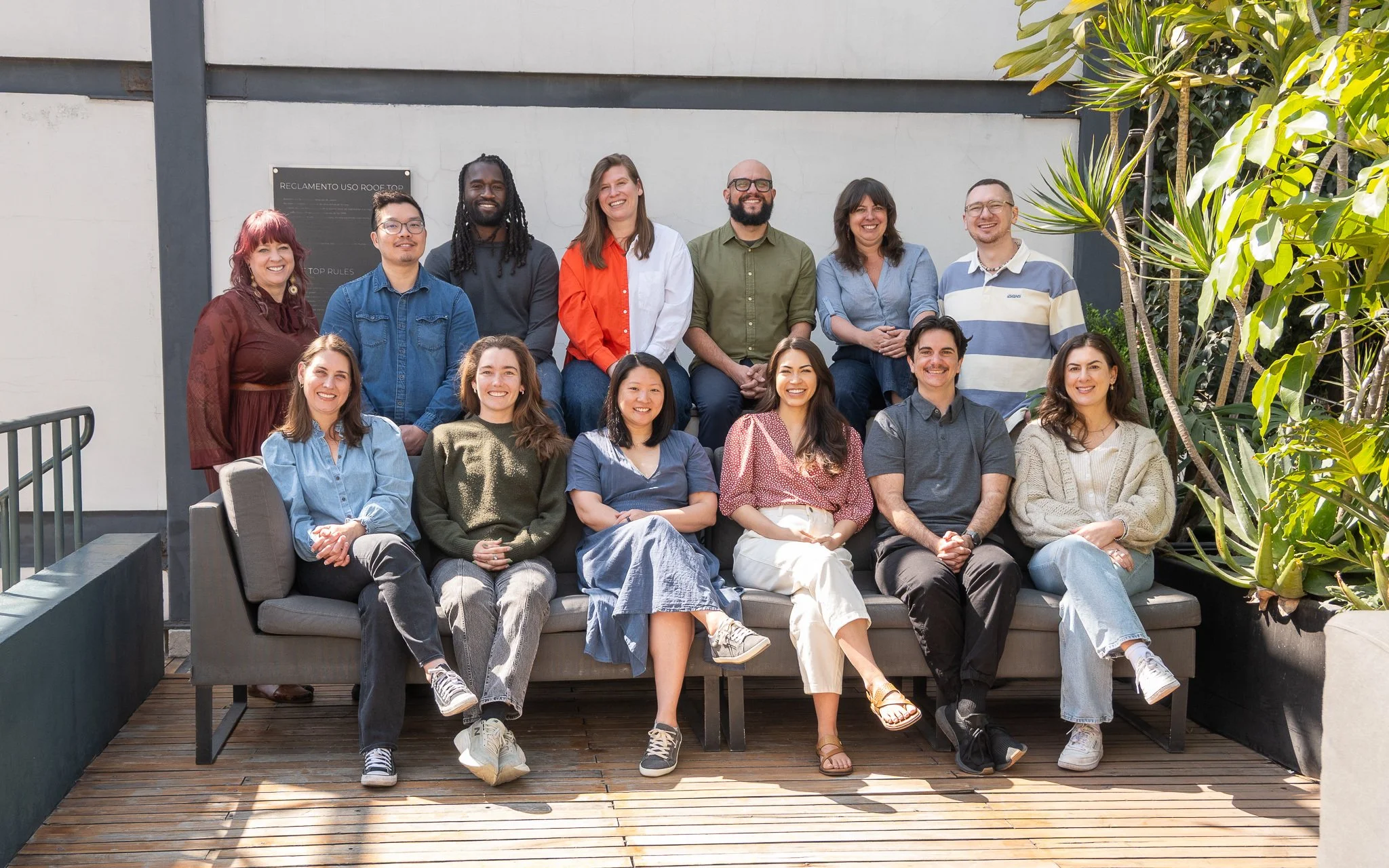
The ZFP Team
Looking Ahead
We want to highlight that we don’t do this work alone. From farmers and ranchers to business members, brand partners, donors, and supporters, the Zero Foodprint community continues to prove that the food system can be a powerful force for climate action. As we look ahead to 2026, we remain committed to scaling regenerative agriculture, growing farmer access to funding, and helping build a more resilient food system. Here’s to healthy soil, thriving farms, and collective action.
Zero Foodprint (ZFP) is a nonprofit organization restoring the climate, one acre at a time. We believe that by regenerating soil, local food economies can play a critical role in reversing the global climate crisis. We work with food and beverage businesses, philanthropy, and government to bring the next dollar to implement the next regenerative practice on the next acre. This regenerative economy benefits every person who grows food, every person who sells food, and every person on this planet who eats food.
