
Aquila Cellars
A winemaker finds his way back to his farming roots, restoring a Colorado vineyard from the ground up.
16 acres
•
55 tons CO2e
•
Forage & Biomass Planting
•
Tree & Shrub Establishment
•
Cover Crops
•
16 acres • 55 tons CO2e • Forage & Biomass Planting • Tree & Shrub Establishment • Cover Crops •
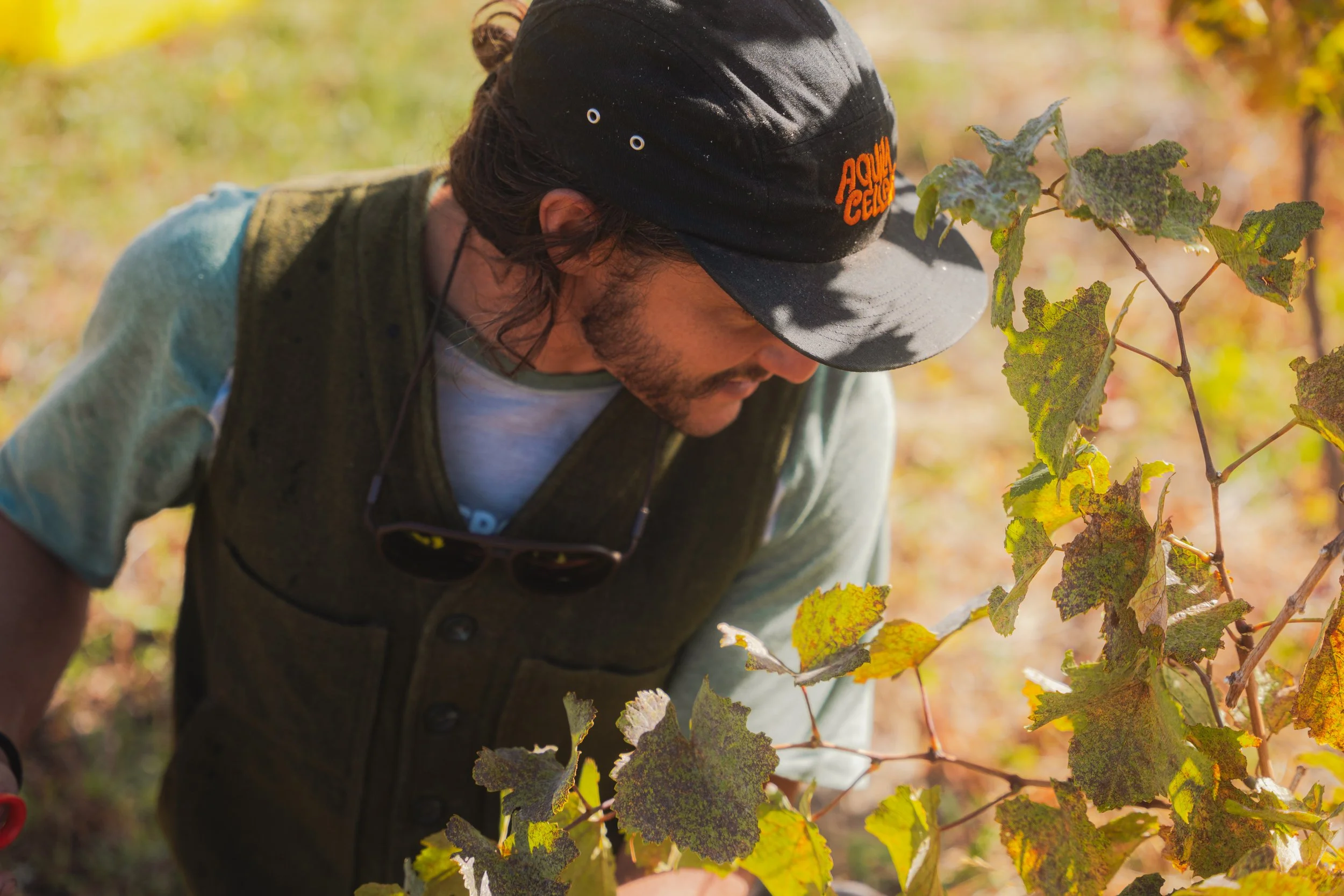
Image by Karen Lane
From Rice to Grapes
After growing up on his parents’ rice and crawfish farm in Louisiana, Brandt Thibodeaux never expected his path to wind through biology, ornithology, and medicinal herbs. After stepping away from agriculture to study biology and birds, Brandt found himself in Colorado, wanting to make his way back to farming. The next step was deciding what to farm. He first started a medicinal herb project, but after working at a winery, “I just got captivated by grapes,” he says. That was where the idea for Aquila Cellars began.
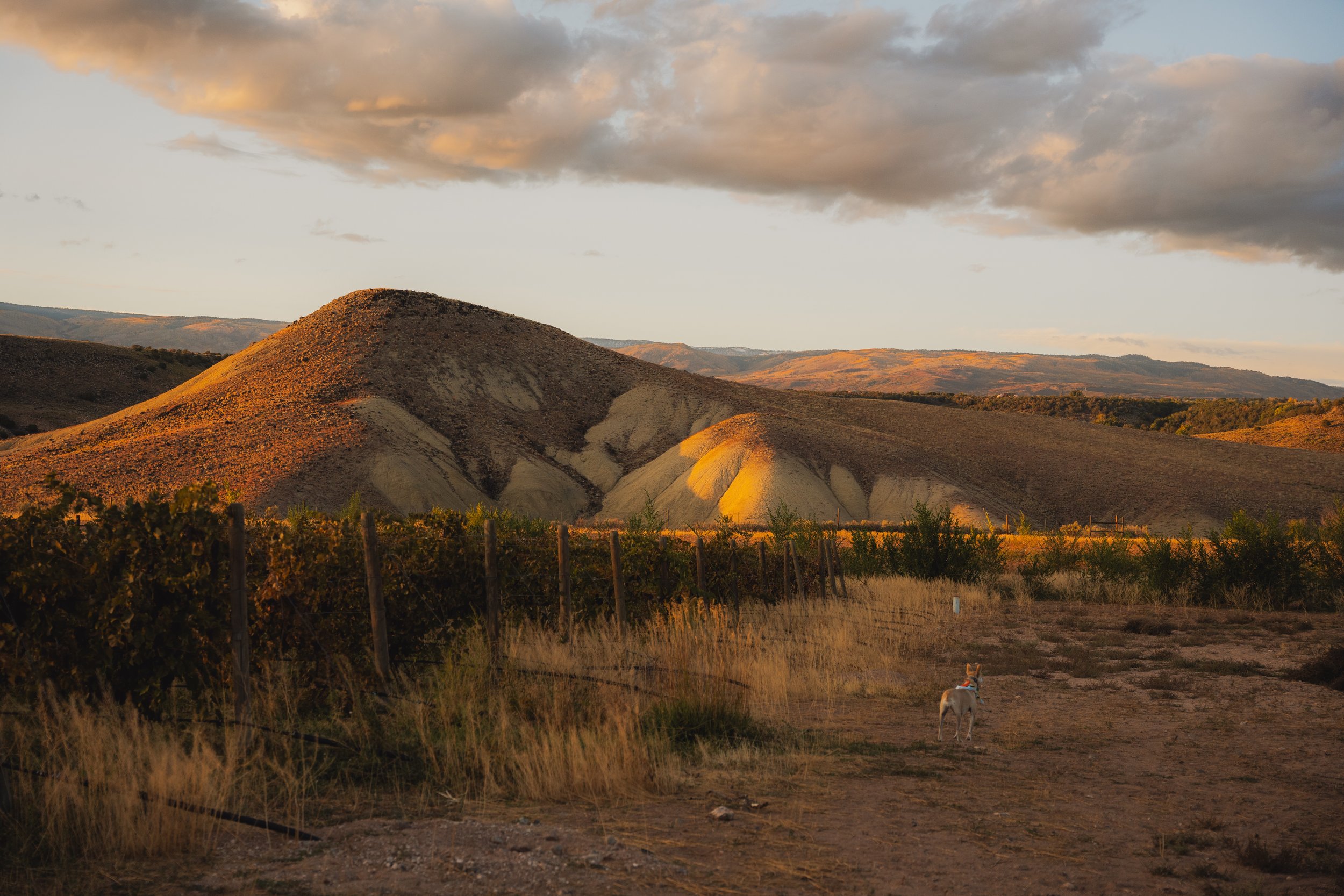
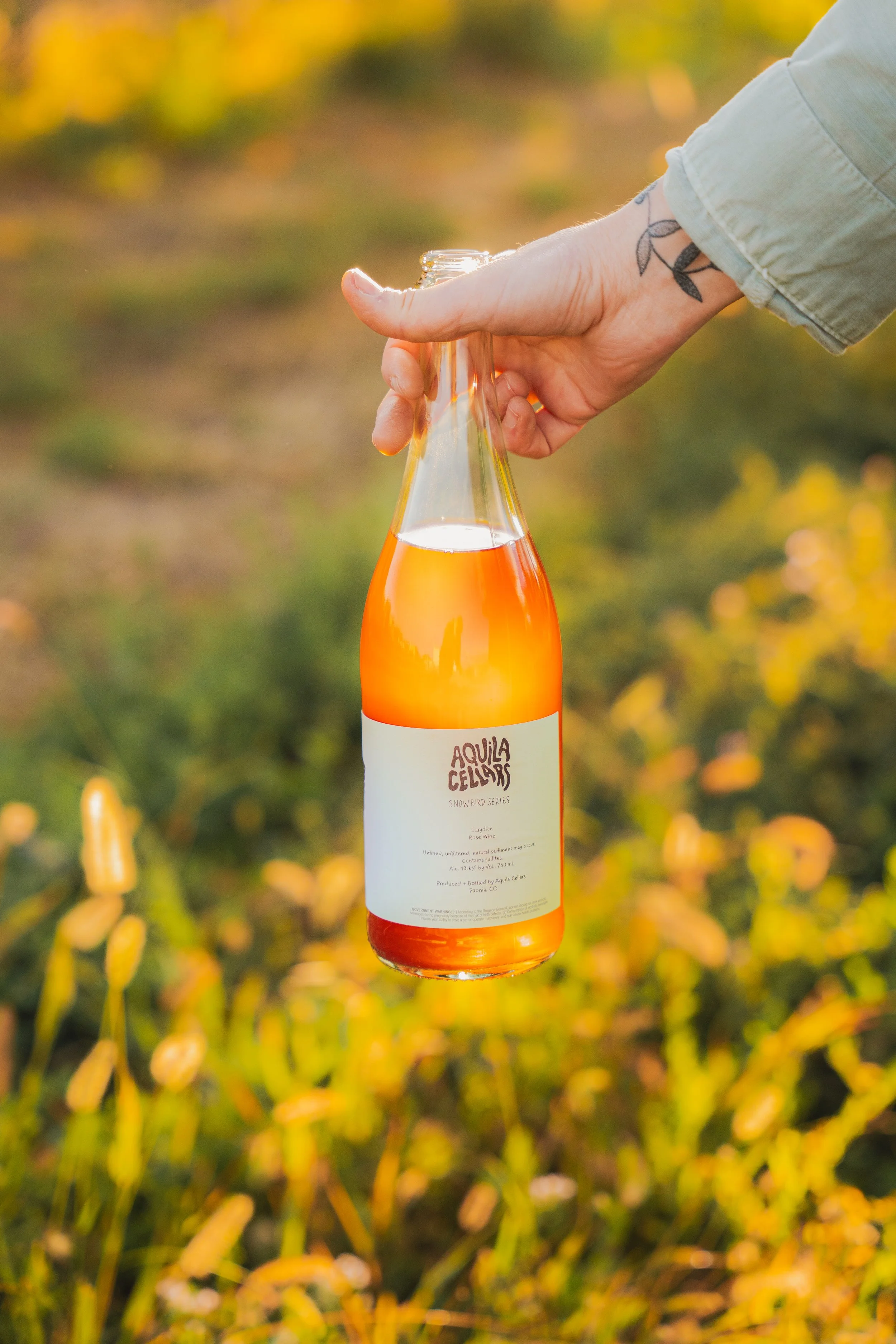
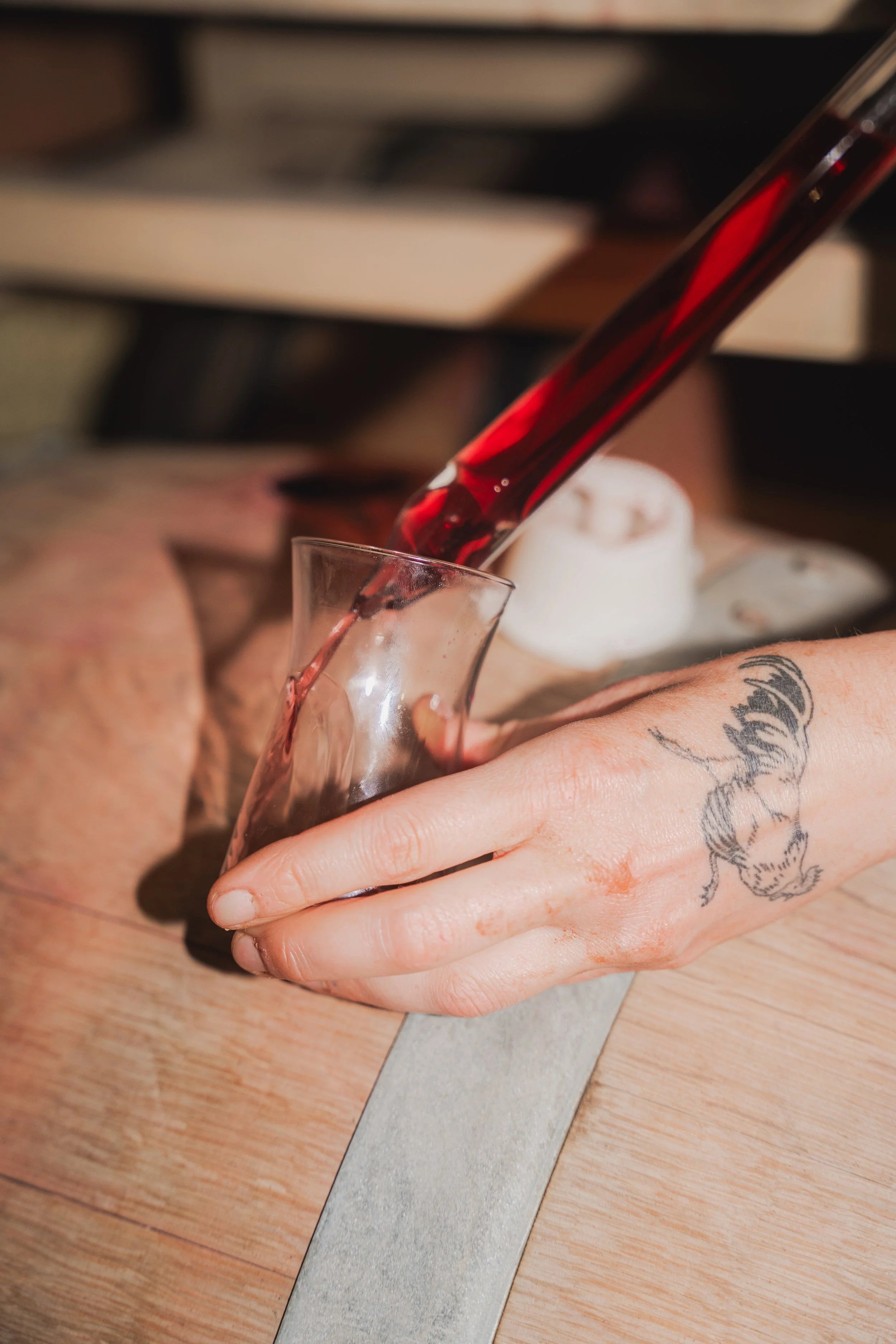
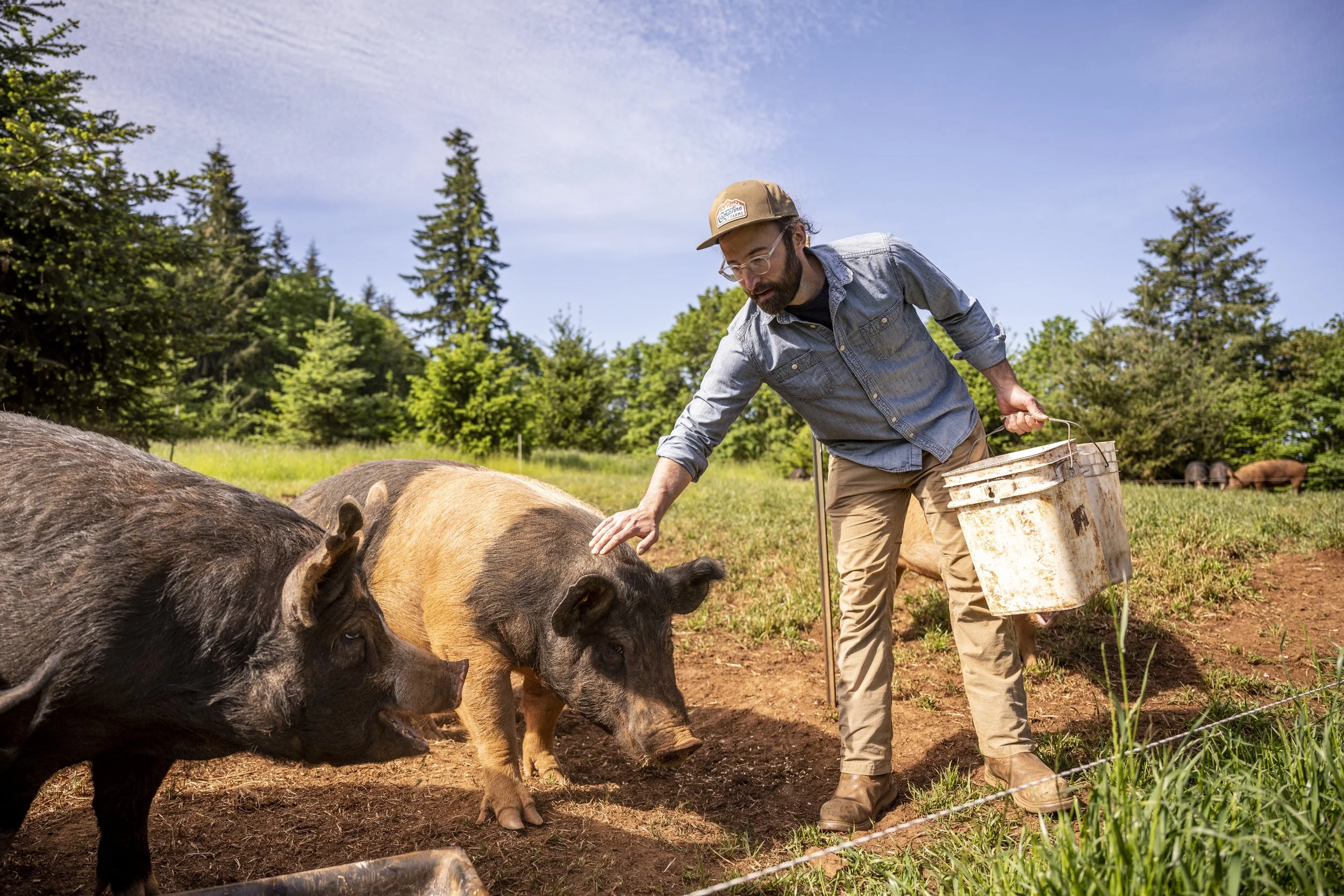
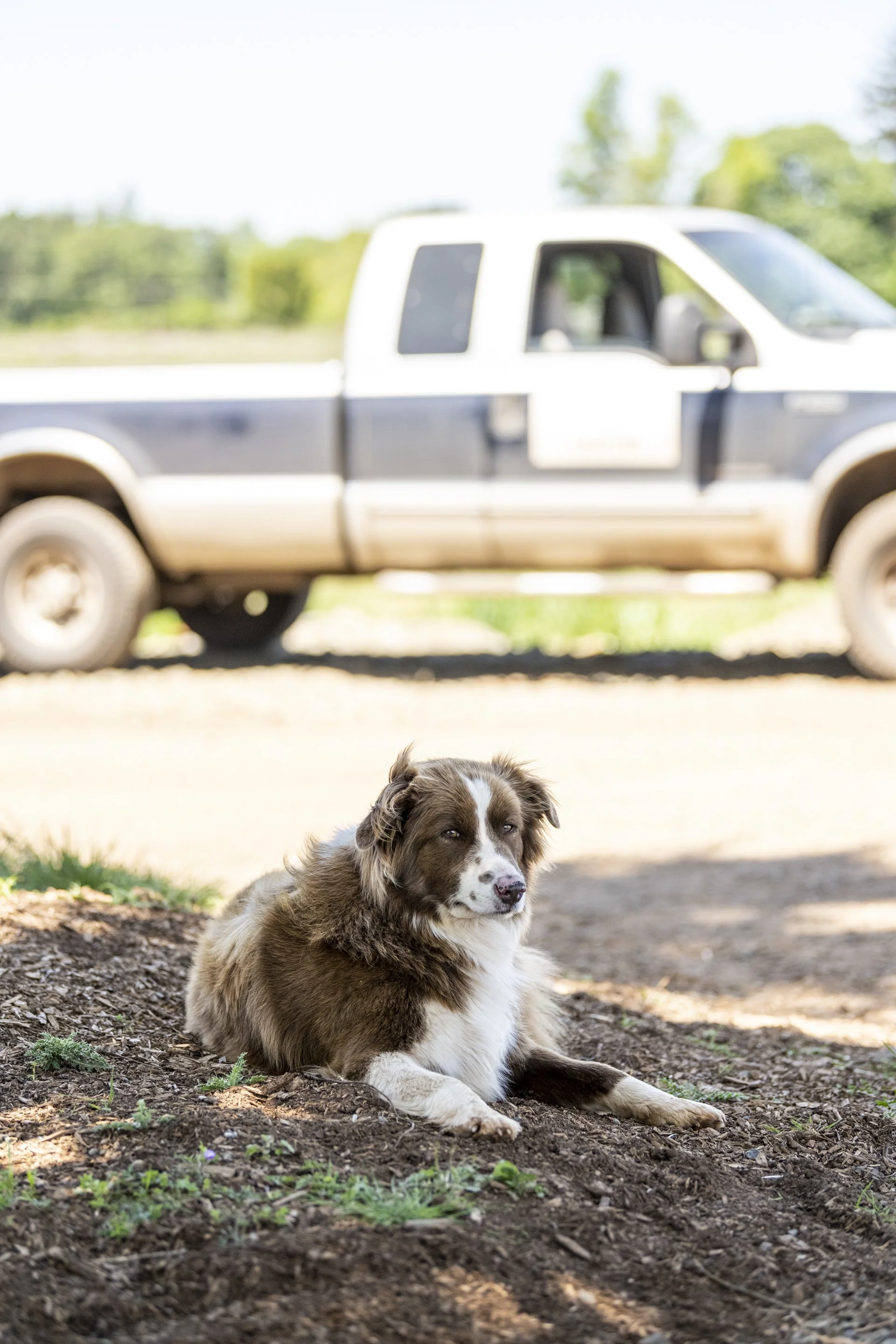
Images by Karen Lane
“These [regenerative] concepts...are perhaps the most important thing we can do to build a climate resilient future.”
Finding Land
Brandt teamed up with business partner Courtney Gayer to begin his wine project and together, they bought Crane Mesa Farm in 2022. The landscape was beautiful, but it came with challenges. Situated in a canyon, the land was full of wildlife. “It’s really alive, and the soil there is something that sold us on it too, because it's sandy and clay loam,” says Brandt, which is ideal for farming.
However, the field was largely treeless, with bare soil exposed to relentless wind and intense western sun, conditions that made establishing healthy vines an uphill battle. While Brandt and his partners were investing everything they had into building a winery, they didn't have the resources to restore the land itself.
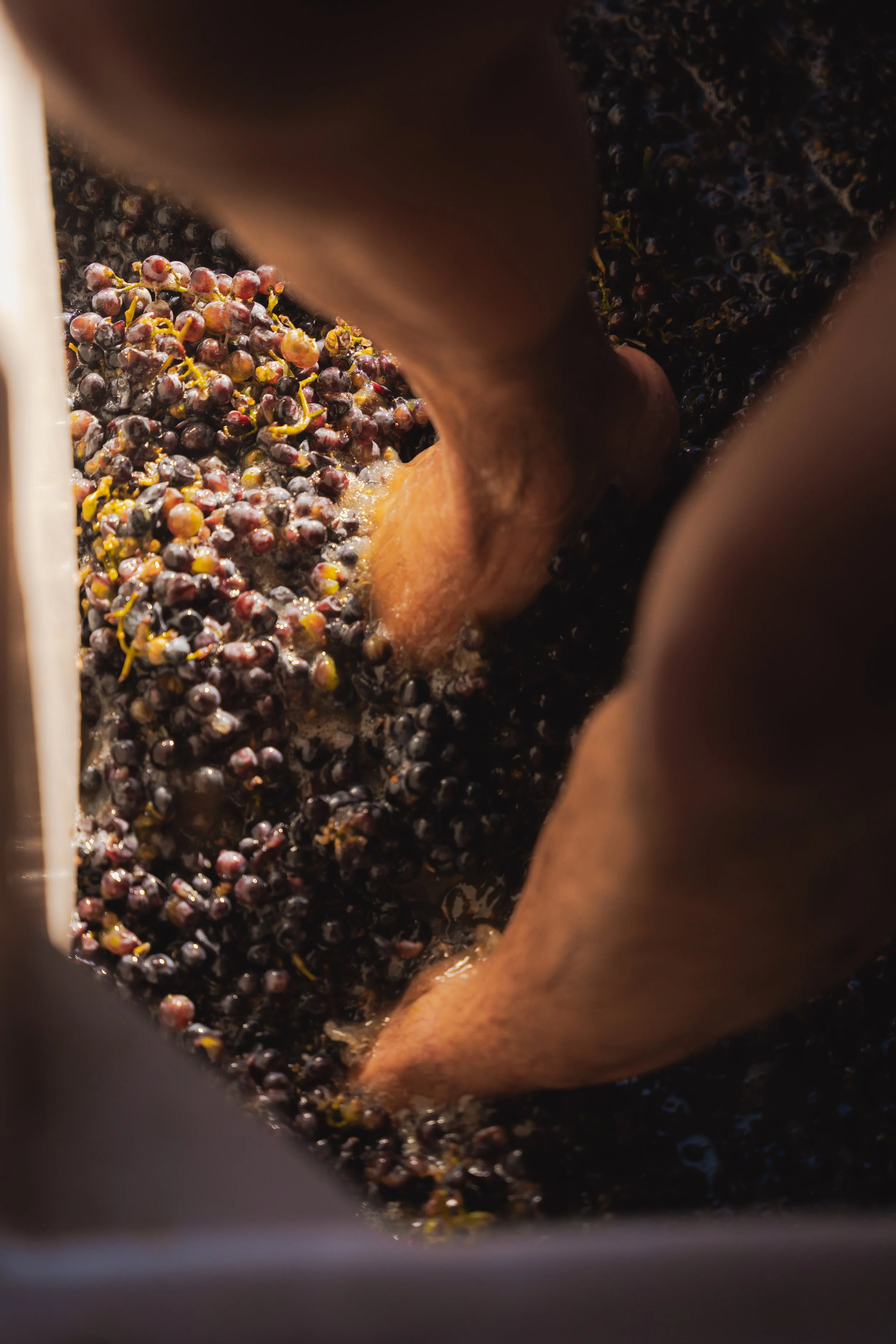
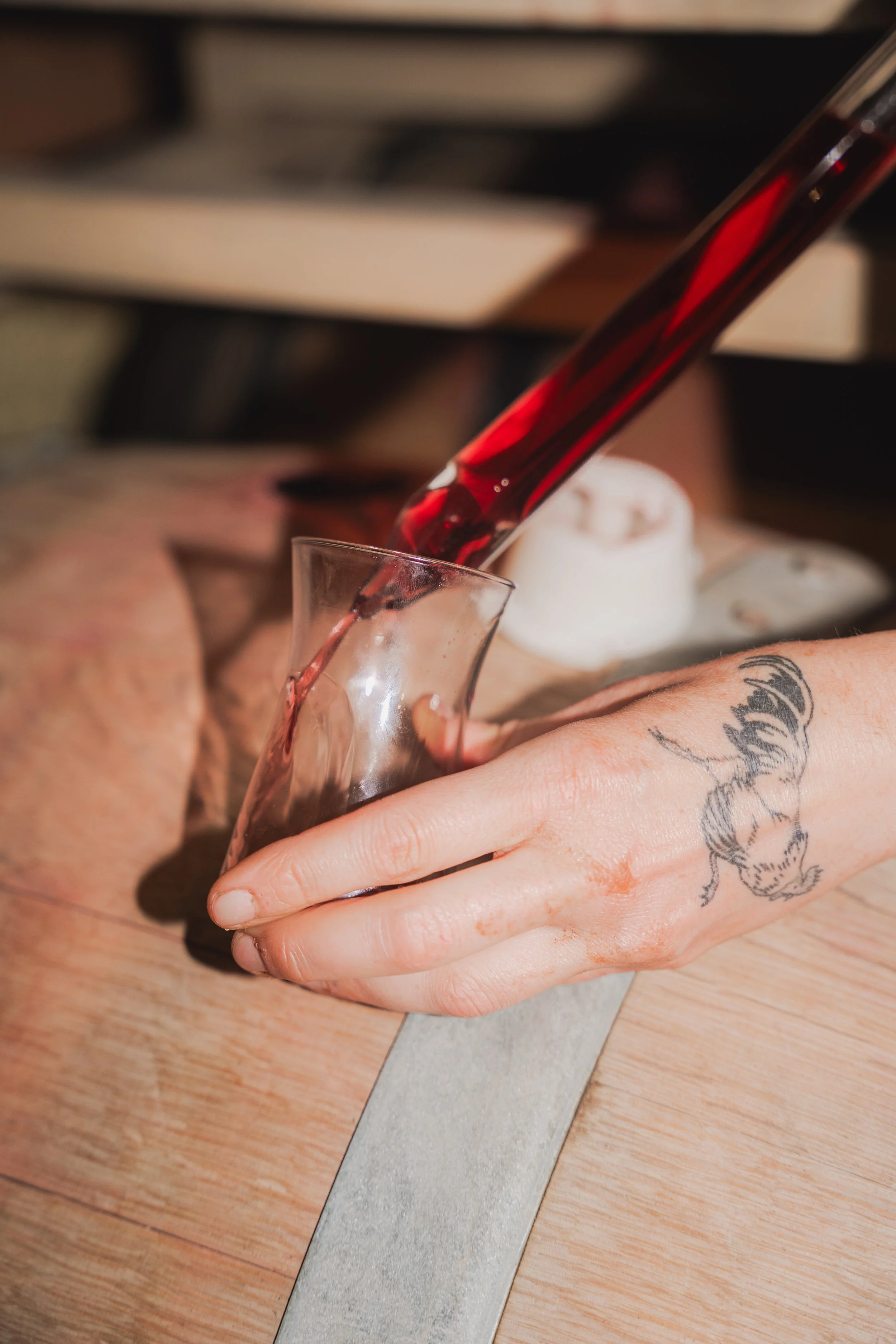
Images by Karen Lane
Reviving the Land
Brandt knew the vineyard needed more than grapevines. It needed biodiversity. Cover crops would protect and enrich the soil, while rows of trees could slow the wind and provide shade that would help both the vines and the surrounding ecosystem thrive.
Brandt first secured funding through Mad Agriculture, allowing him to plant two hundred trees and begin establishing cover crops. A Zero Foodprint Restore Grant helped them continue that work, giving them the support they needed to complete the next phase of restoration.
"I'm really grateful programs like this exist," Brandt says. "[In other programs] there's a lot of red tape that just needs to be cut and we need to give people money to do this work. These concepts are underfunded, and they're perhaps the most important thing we can do to build a climate resilient future."
Image by Karen Lane
About Aquila Cellars
We make living, unfiltered wines that favor energy over power, freshness over richness. Our wines are uniquely Coloradan, grown at the highest elevations of North America and produced with the highest vibrations.
-
Zero Foodprint awards grants for projects that take carbon out of the atmosphere and put it back where it belongs: in the earth, creating healthy soil and better food. To do this, we focus on regenerative farming practices like composting, cover cropping, and managed grazing that can restore life to our soil while removing carbon from the atmosphere. Together, we have the power to grow more nutritious food, heal natural water cycles, and create habitat for biodiversity to thrive. Explore previously funded projects to see what this might look like on your farm.
For more information, read through other Restore Grant FAQs.oes here
Zero Foodprint (ZFP) is a nonprofit organization restoring the climate, one acre at a time. We believe that by regenerating soil, local food economies can play a critical role in reversing the global climate crisis. We work with food and beverage businesses, philanthropy, and government to bring the next dollar to implement the next regenerative practice on the next acre. This regenerative economy benefits every person who grows food, every person who sells food, and every person on this planet who eats food.
