
Top 8 Dirty Martini Recipes on the Road to Dirty Drinks ‘26
In preparation for our Dirty Drinks campaign this summer, we’ve put together a list of the 8 best “dirty” martini recipes out there.
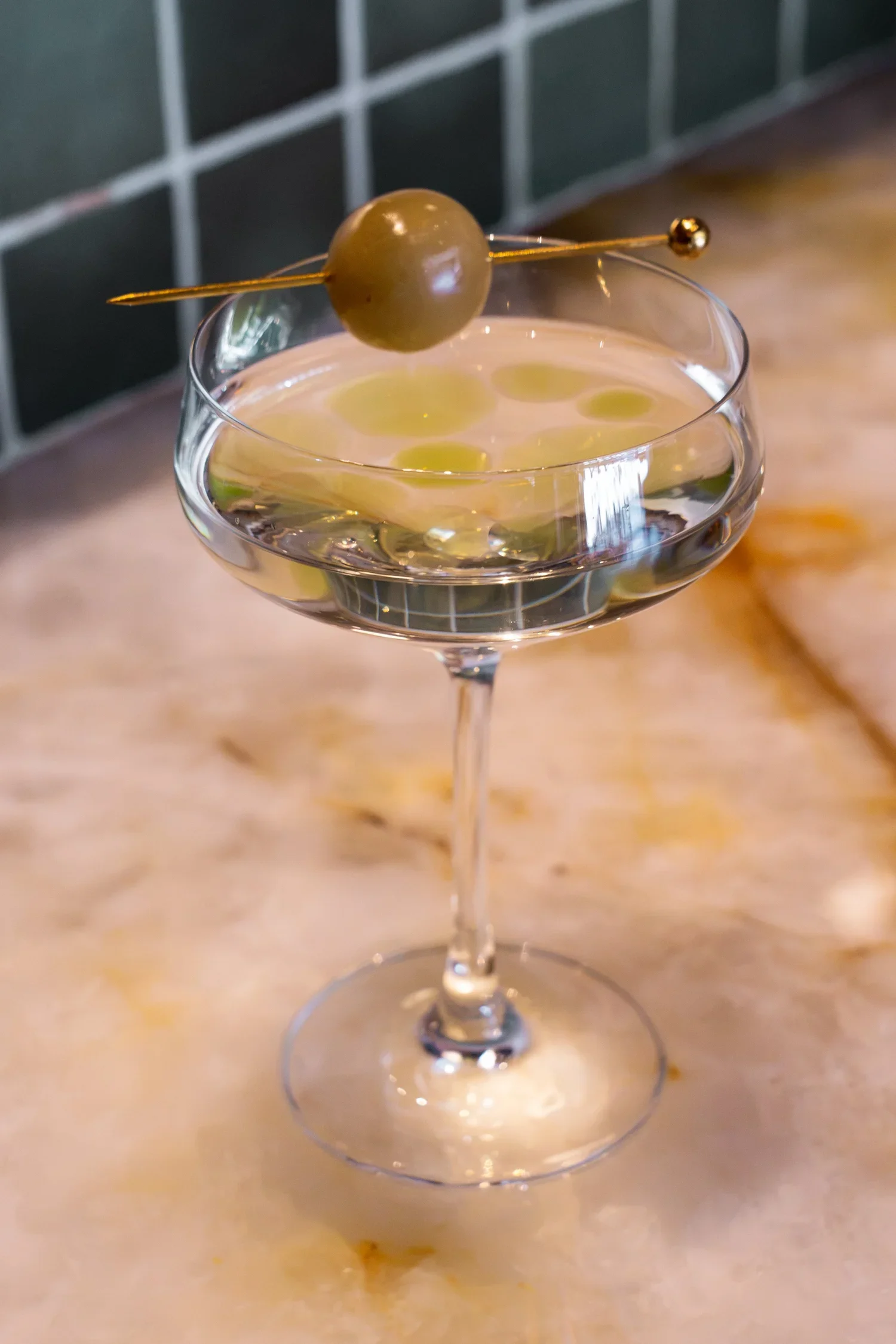
When ordering a dirty martini, farms likely don’t come to mind. But in reality, farms are the origin of every single ingredient. From the olive garnish to the barley that made the gin - it all started at the farm, and before that, with the soil. That’s why we’re celebrating drinks this summer - dirty drinks, to be exact - and we’re starting with one of the classics: the dirty martini.
What Is a Dirty Martini?
The dirty martini is one of the most recognizable drinks on any cocktail menu - but what exactly makes it dirty? Is it the color? The liquor type, perhaps? The answer is in the olive garnish. Unlike a classic martini, a dirty martini includes a savory, umami-rich splash (or more) of sharp, salty olive brine - straight from the can.
The dirty martini’s origins can be traced back over a century, to a bartender who worked at New York’s Waldorf Astoria in 1901. Originally called “the Dry Martini”, it was made with muddled olives until 1930, when it appeared in “My New Cocktail Book” with instructions to add olive brine to a classic martini. The rest, as they say, is history.About Horizon Verjus
“What's the secret ingredient professional chefs know about that can change the way you cook and drink? Verjus!
This juice, pressed from unripe wine grapes, is the reason for our new business based in Littleton, Colorado. Our goal is to have chefs, bartenders, and home cooks reaching for this tasty product instead of lemon juice, lime juice, wine or vinegar whether cooking or making drinks. It's a new staple that will provide a distinctive edge to any dish or beverage.”
What is a Dirty Martini Made Of?
The ingredient list for a dirty martini is short and sweet. Gin or vodka, equal parts vermouth and olive brine, with three olives. Each of these ingredients plays an important role. The olive brine balances the flowery notes of the gin, and complements the neutral crispness of the vodka. Vermouth takes the bite out of both of these strong liquor bases, which gives martinis their sipability.
Dirty Martini Recipes
Many variations and styles of the dirty martini have been created during its century-long existence. We’ve gathered some of the best for you here to try for yourself.
Kale Junkie’s Quick and Easy Dirty Martini
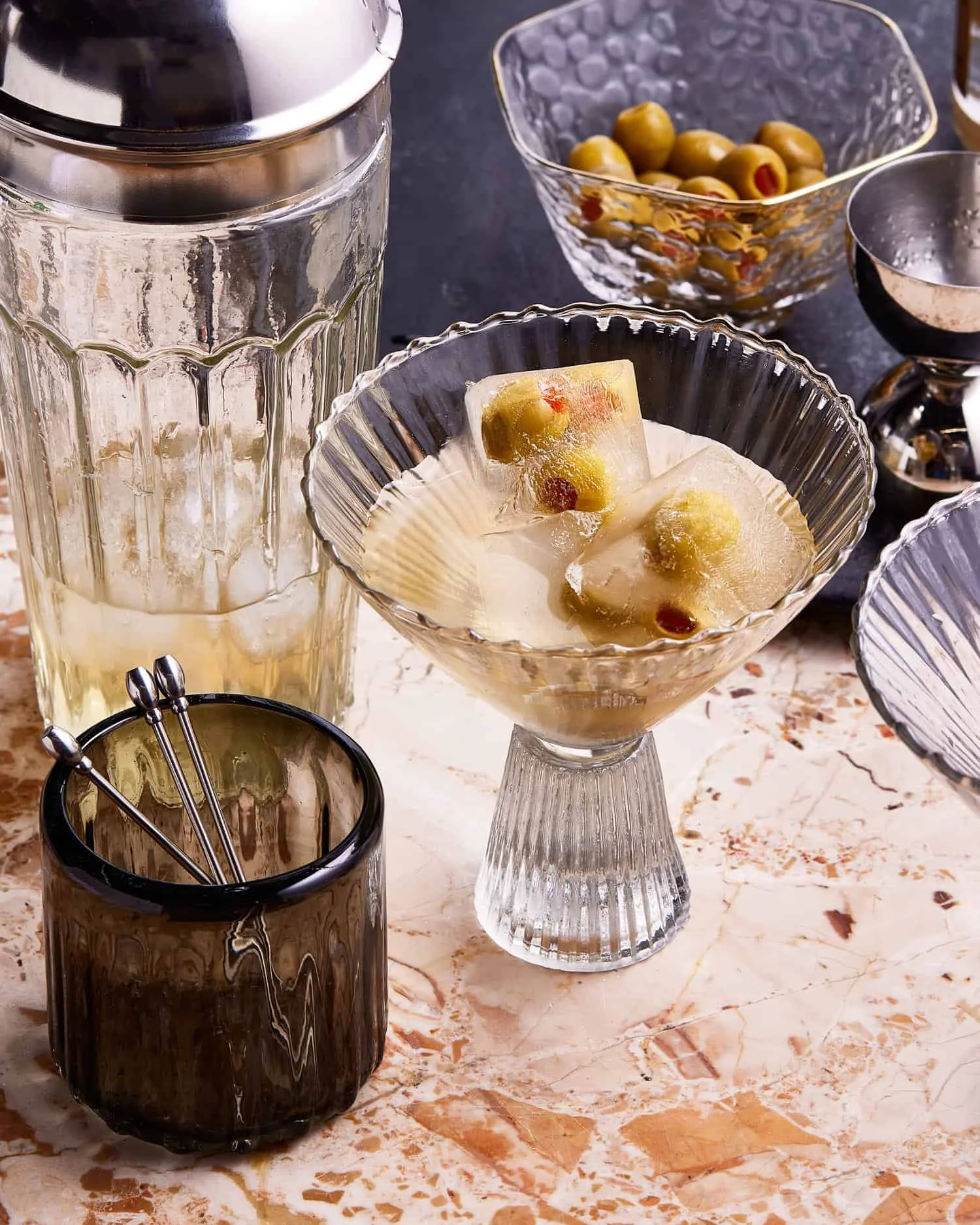
The key to the dirty martini recipe of LA-based cookbook author and ex-lawyer Nicole Keshishian, also known as Kale Junkie, is her viral olive cubes.
The cubes, made of olive brine with the accompanying olives frozen inside, cleverly add an extra briney punch to this dirty martini, while also keeping the mixture refreshingly cold.
Her Quick and Easy Dirty Martini recipe calls for nearly equal parts vodka and olive brine, making this a truly dirty drink, with just a splash of vermouth. She recommends placing the martini glass in the freezer before serving for an extra smooth experience.
Photo from Kale Junkie
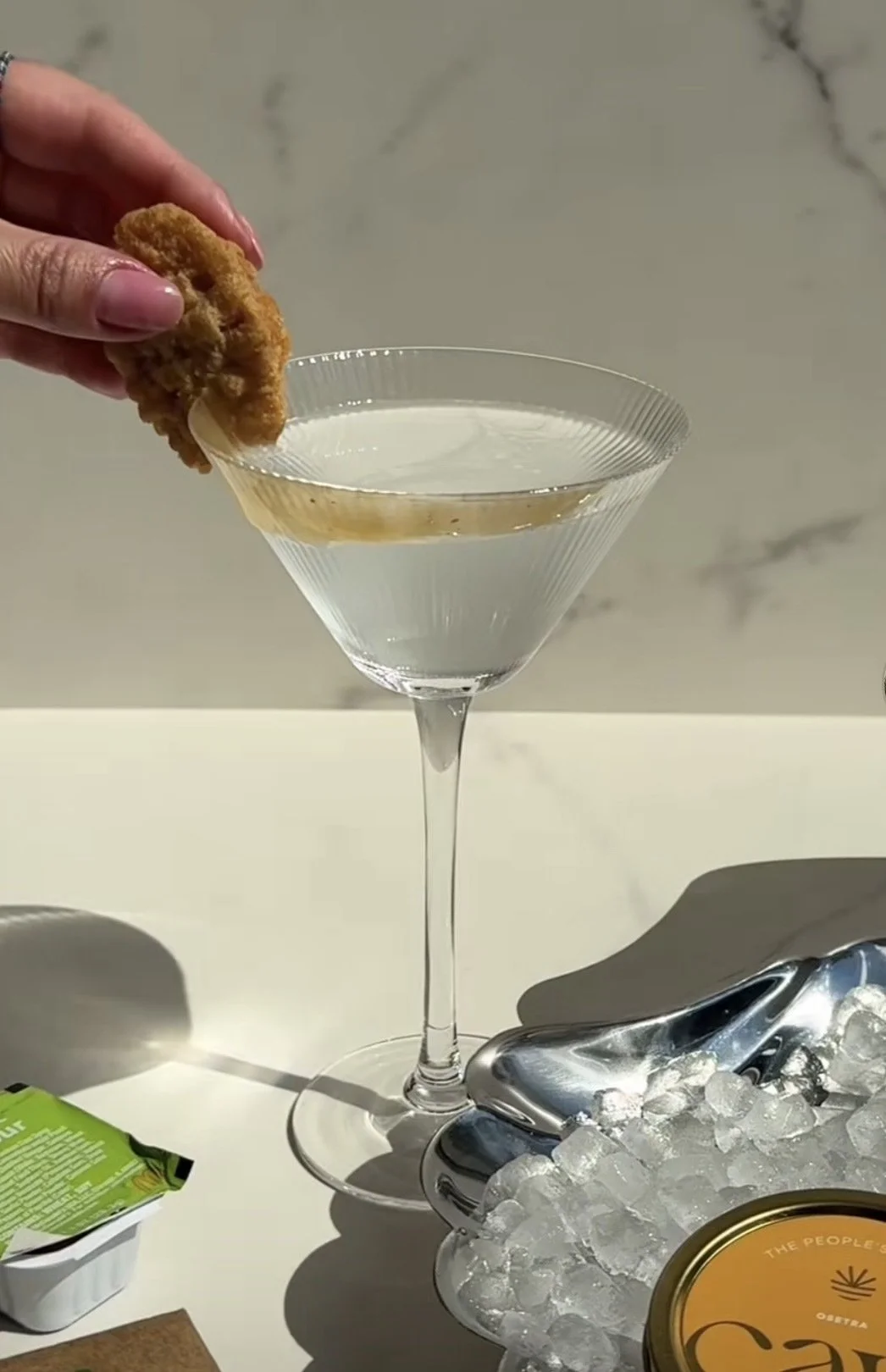
Friends and cocktail wizards Laura and Samantha of Brooklyn, NY, collectively known as @TheThirstyGals, have created a wildly new spin on the dirty martini that we can safely say we’ve never seen before.
If olive brine isn’t savory enough for you or if you’re a fan of a late night Big Mac, this is, without a doubt, the dirty martini for you.
Calling for two ounces of McNugget fat-washed vodka, half an ounce of dry vermouth, and a smear of sweet and sour sauce for the rim of the glass, their recipe requires a little more assembly than the original - but is well worth it.
Check out their page to find out how to make their “I’m Lovin’ It” Dirty Martini.
Photo by The Thirsty Gals
The Saltie by Saltie Gal
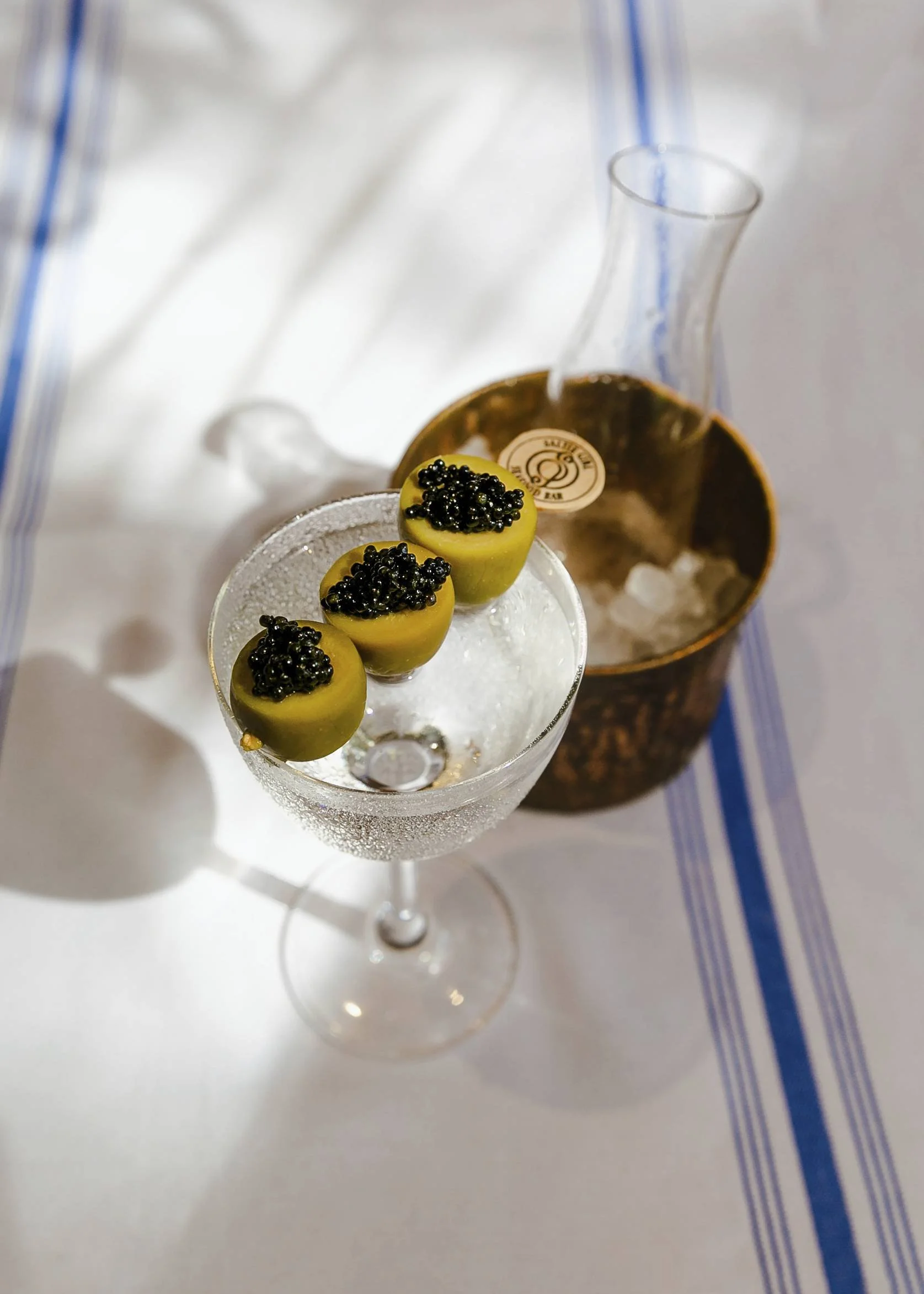
LA’s popular seafood bar, Saltie Girl, is known for its signature dirty martini, the Saltie.
Named one of the best dirty martinis in Los Angeles, the Saltie is an elevated take on the original.
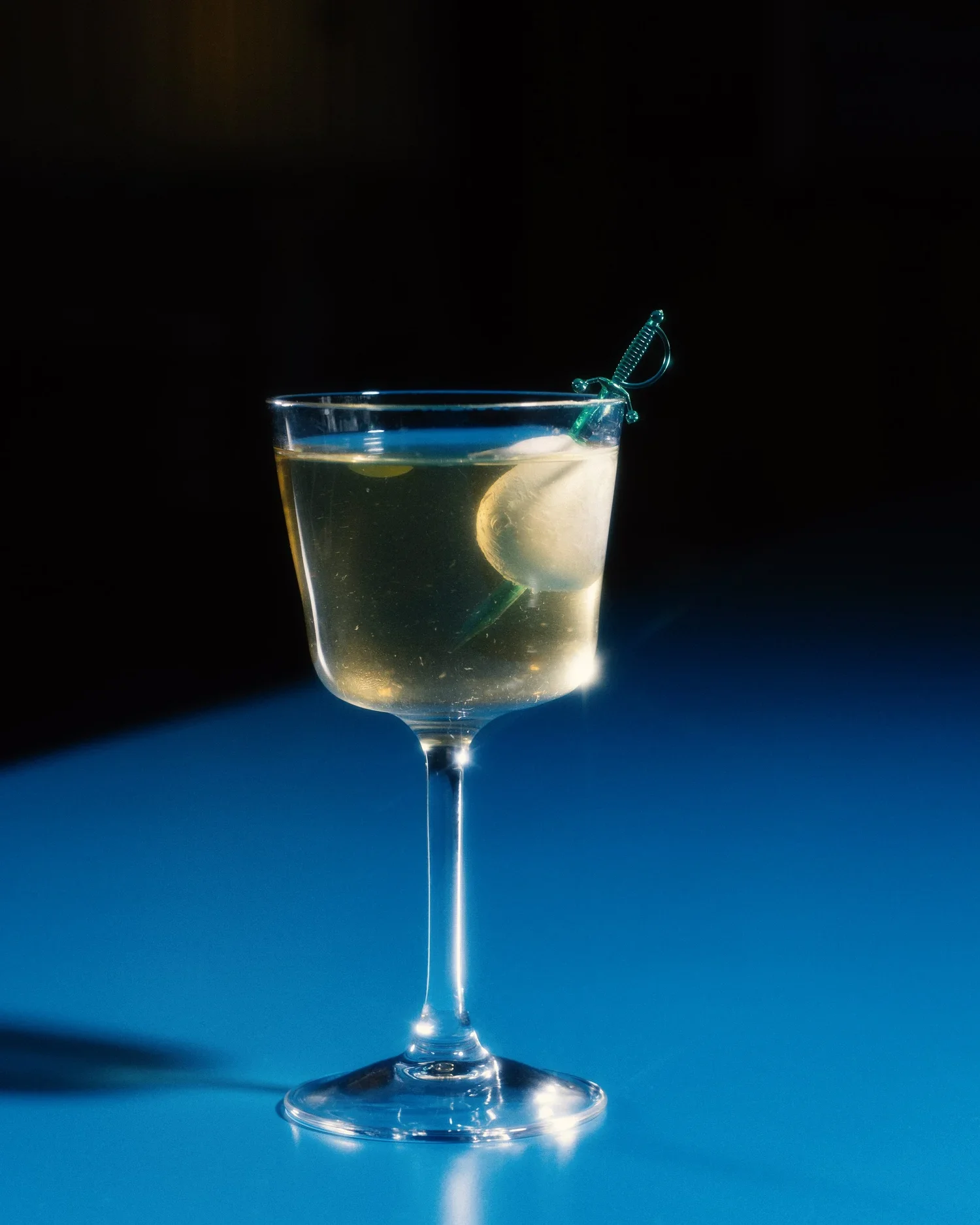
Available with gin or vodka, the Saltie’s claim to fame is its garnish - olives and a pearl onion, all topped with delicate mounds of caviar.
The perfect accompaniment to a plate of oysters, the Saltie is a clean, sophisticated take on the dirty martini.
Photo by Saltie Girl
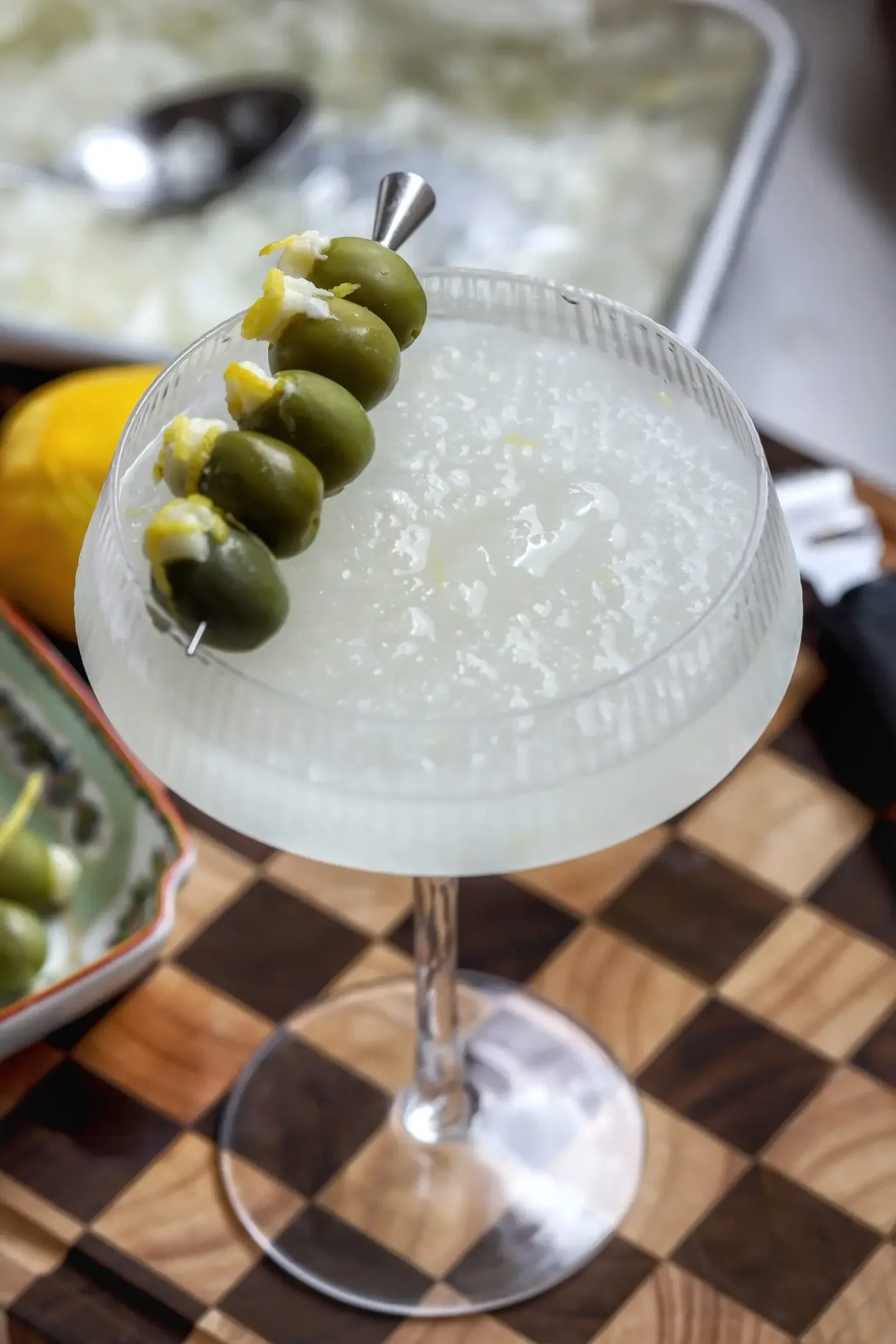
Nadia Aidi, also known as @FoodMyMuse, has created a perfect dirty martini for summer: the Frozen Extra Dirty Martini.
Slushy-like in texture, this martini is built for hot weather and savory sips.
It calls for some unique ingredients, like an olive brine grenita frozen in a pan, and a blue cheese filling for the olive garnish made with lemon zest and olive.
Unique and delicious, this dirty martini recipe is a winner.
Photo by Food My Muse

Photo by Hannah Chamberlain
Hannah Chamberlain is one of Tik Tok’s most inventive cocktail creators, known for such antics as mixing a watermelon sour on an airplane and creating viral drinks like her fall-themed punch. No surprise then, that she has her own highly unusual take on the dirty martini. In her series aptly titled “Weirdly Dirty Martinis”, we picked the recipe that is quite possibly the strangest: The Escargot Dirty Martini.
As a drink that features snails, a common farm and garden pest, we thought it particularly fitting as a dirty drink that is connected to its agricultural origins. In this interesting recipe, Chamberlain fat-washes vodka with oil from a plate of escargot, and infuses her vermouth with french bread. She then combines both with caper brine in a frozen glass and garnishes with, you guessed it, escargot. We dare you to try it.
Savoury Girl’s Olive-less Filthy Martini
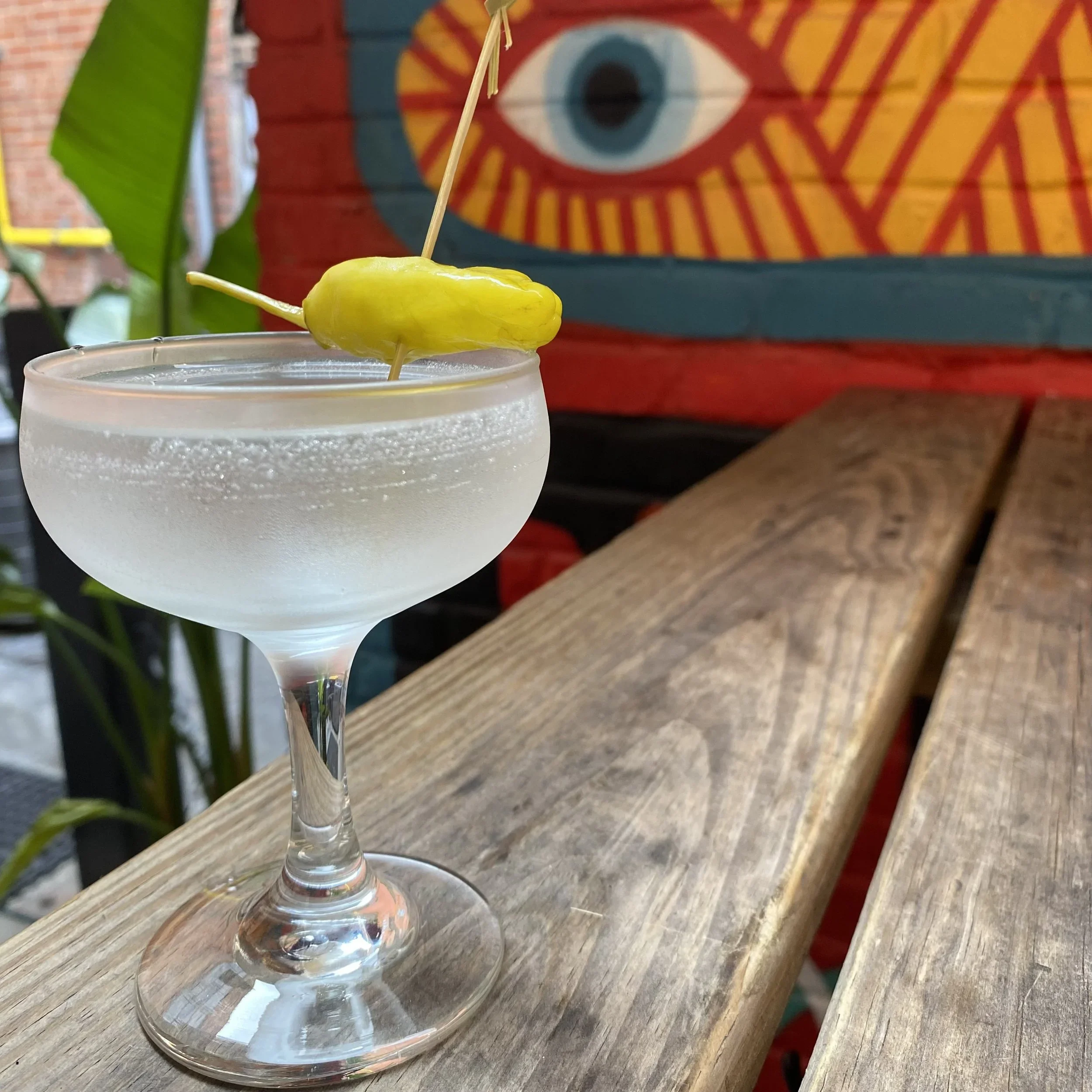
Holly Barnes, also known as @SavouryGirl, has many renditions of ultra-savory martinis, but this improvised version made with what she happened to have in her pantry caught our eye. This recipe demonstrates that when there is no olive brine to be found, just about any brine will do.
Holly’s version calls for two generous ounces of vodka, poured with instincts rather than a measuring cup, cocktail onion brine, poured until it’s “verging on a Gibson”, some pickle juice, also generously poured, a dash of peperoncini brine for color, and a splash of vermouth - all shaken until your hand falls off, as Holly advises. Garnished with a spear of pearl onion, pickle, and peperoncini, the result packs a punch - no olives necessary and fit for the queen of all things savoury.

Photo by Holly Barnes
@KatherineWants’ Dirty Dill Pickle Martini
Katherine and Randy Feltis of @KatherineWants are no strangers to putting their own spin on classic recipes. No surprise then, that they’ve applied this to the dirty martini in their tangy “Dirty Dill Pickle Martini”. Light on the olive brine and heavy on the pickle juice, this recipe also calls for fresh dill and high quality vodka. Shaken with ice to within an inch of its life and served with an olive and pickle garnish, it’s a bright, fresh twist on the original.
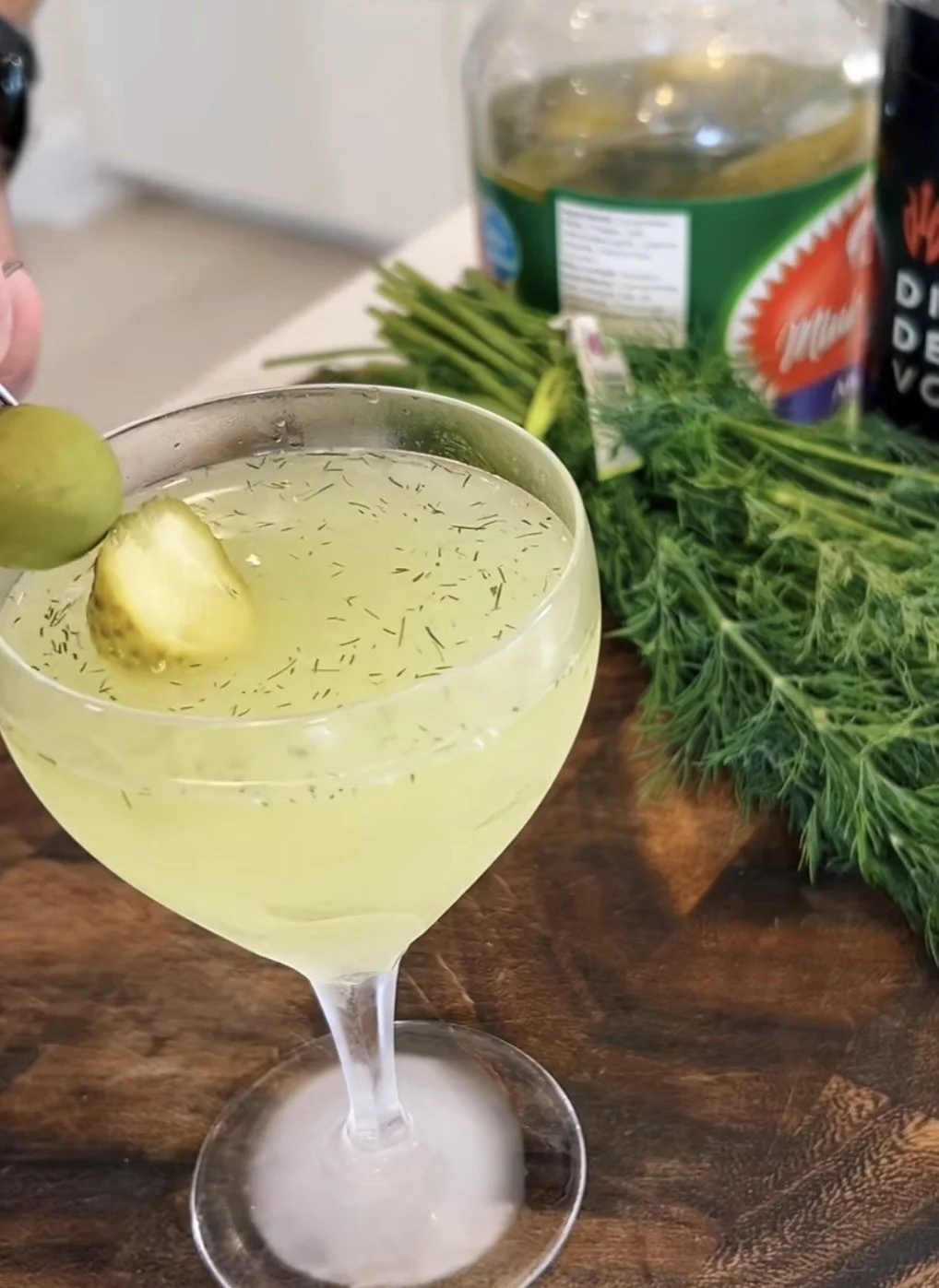
Photo by @KatherineWants
We Are Not Martha’s Manhattan Dirty Bloody Mary
Sues of the popular blog “We Are Not Martha” loves extremes, whether it involves her sweet, colorful desserts or her Starbucks drink dupes. Her dirty martini recipe, however, takes the savory cake. Combining two umami heavy-hitters - the Bloody Mary and the Dirty Martini, Sues has created a zesty martini to rule them all.
With an uncharacteristically long ingredient list, this recipe includes everything from Worcestershire sauce to onion powder, along with a black pepper trim and marinated mushroom garnish. Now that’s what we call a dirty drink!
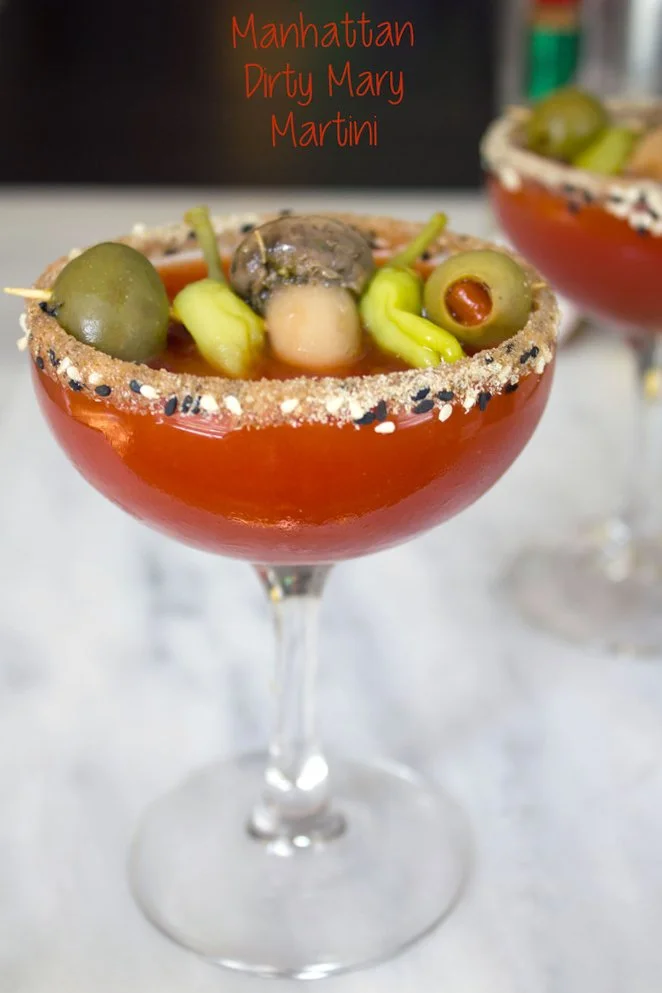
Photo by We Are Not Martha
Dirty Drinks ‘26
If this recipe list had you dreaming of dirty martinis in the sun, keep an eye on our Dirty Drinks page to look up participating bars August 24th-30th. You’ll be able to sip with the satisfaction of knowing that you’ve contributed to regenerating soil on farms, and creating real climate impact. Here’s to you.
Zero Foodprint (ZFP) is a nonprofit organization restoring the climate, one acre at a time. We believe that by regenerating soil, local food economies can play a critical role in reversing the global climate crisis. We work with food and beverage businesses, philanthropy, and government to bring the next dollar to implement the next regenerative practice on the next acre. This regenerative economy benefits every person who grows food, every person who sells food, and every person on this planet who eats food.
