
EsoTerra Ciderworks
Two Colorado cider-makers revive the soil of their apple orchards.
Two Careers, One Town
Elizabeth Philbrick and her husband, Jared Scott met at graduate school while studying very different subjects. “He was studying wildland fire predictability. And I was a city planner - so a forester and a city planner fall in love. We might as well be Montague and Capulet,” jokes Elizabeth.
After graduating, they landed in Durango, Colorado, where Jared had lived before school. “He took me down to Southwest Colorado, and it was a sea of apple trees, some of the oldest apple trees I've ever seen, up to 300 years old.” Durango happens to be home to one of the largest organic juice factories in the world, as well as some of the oldest, most diverse apple orchards in North America.
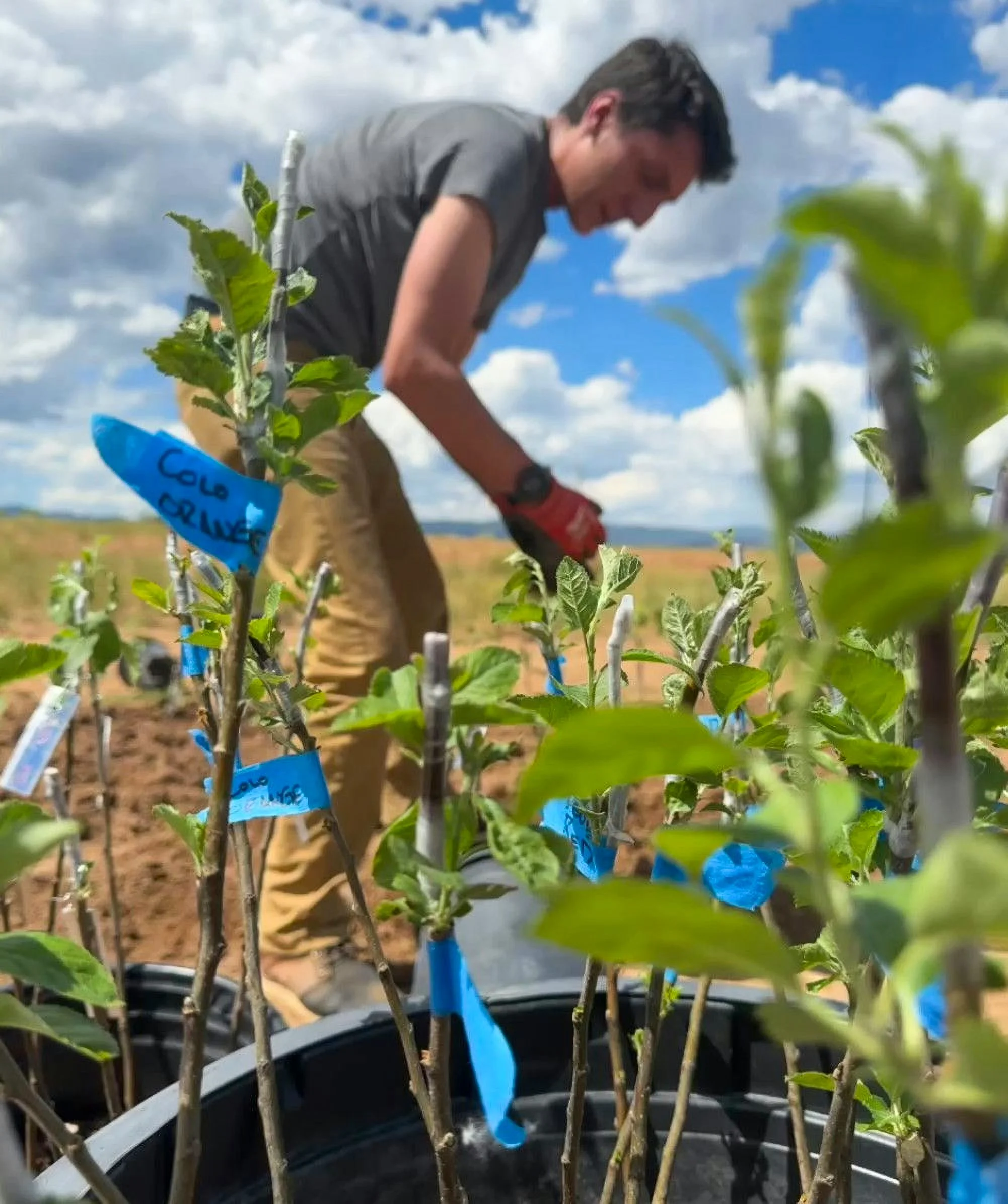
Jared began working for two local cider makers and soon realized that he wanted to make his own. He and Elizabeth were able to launch their own business in an old historic apple juice factory, and eventually bought 70 acres of land. “We’ve planted two hundred-fifty varietals of some of the most endangered heritage apple varieties in southwest Colorado.”
They were trying to do more than create great cider. “What we're really trying to do is conserve these apples.”
”Working with you guys… and a variety of people, have allowed us to step onto our property on day one and be the kind of land stewards we want to be.”
-Elizabeth Philbrick
Trouble on the Horizon
Elizabeth and Jared now had the land, but not the soil. Their orchard had been used to graze a large number of cattle, and as a result, the soil was tightly packed. “Some of this ground was so denuded, it literally looked like slick rock. It didn't have anything growing on it. It was so compacted because so many cows were on top of it,” Elizabeth describes.
They jumped into action, moving the cows off the property and building a plan to save their soil. “Our friends are restoration ecologists, and so they did some free consulting. Like, this needs to happen, that needs to happen.”
Elizabeth and Jared now had to figure out how to fund those recommendations, which wasn’t an easy path. They found that some grants required them to match the funds they were given with their money. “When you don't have any money to begin with, it's very hard to match any money, you know?” Elizabeth points out.
Reaping What They Sow
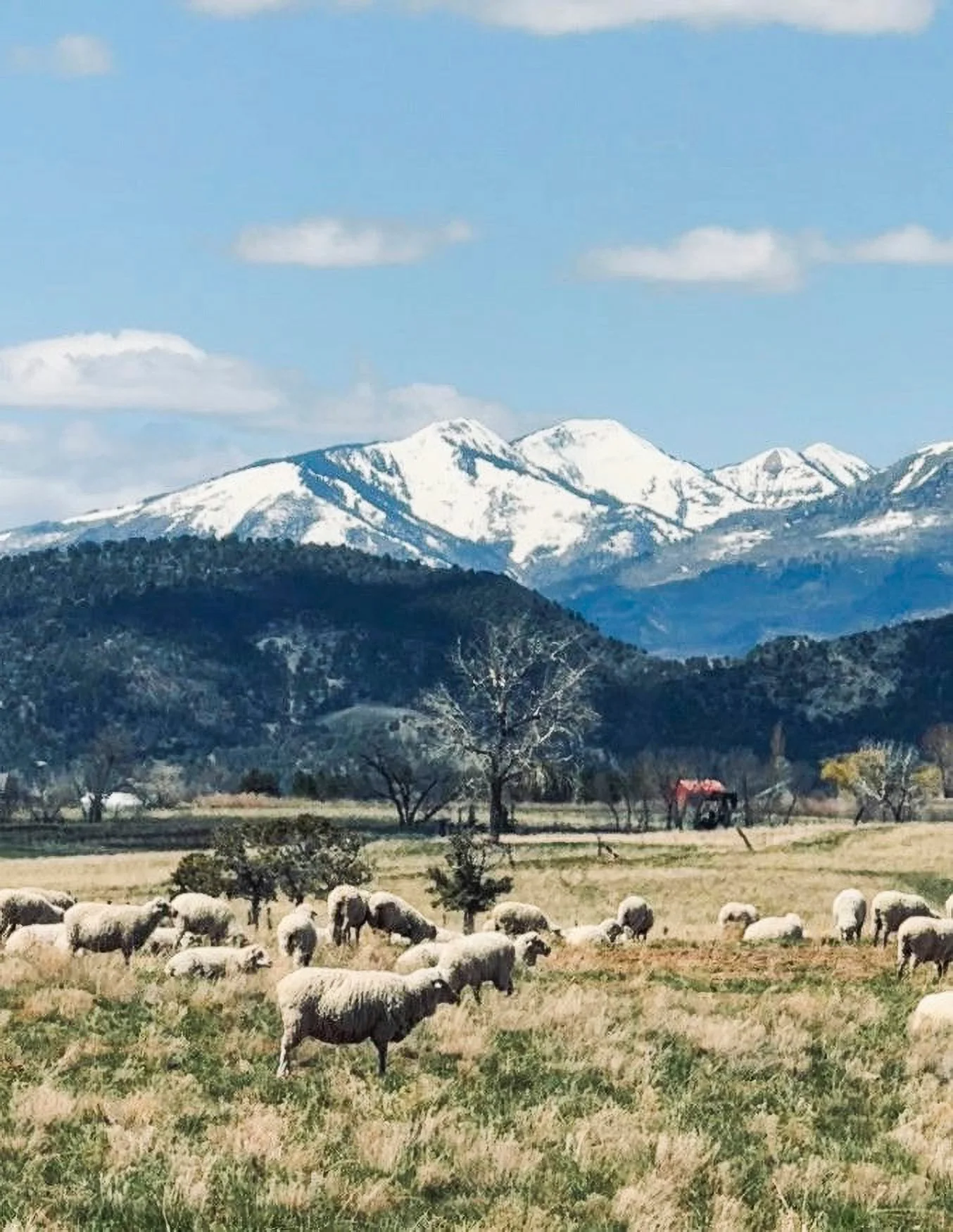
Elizabeth and Jared were able to receive funding from Zero Foodprint’s Restore grant, and have begun trying new methods of soil regeneration, such as legume planting, tree and shrub establishment, compost application, and silvopasture, or sheep grazing.
“One of the things that I really loved about [the Zero Foodprint grant] was that you guys valued silvopasture…That is an extraordinarily useful practice for orchards,” Elizabeth explains. “That is not something that any other group helps get up and off the ground.”
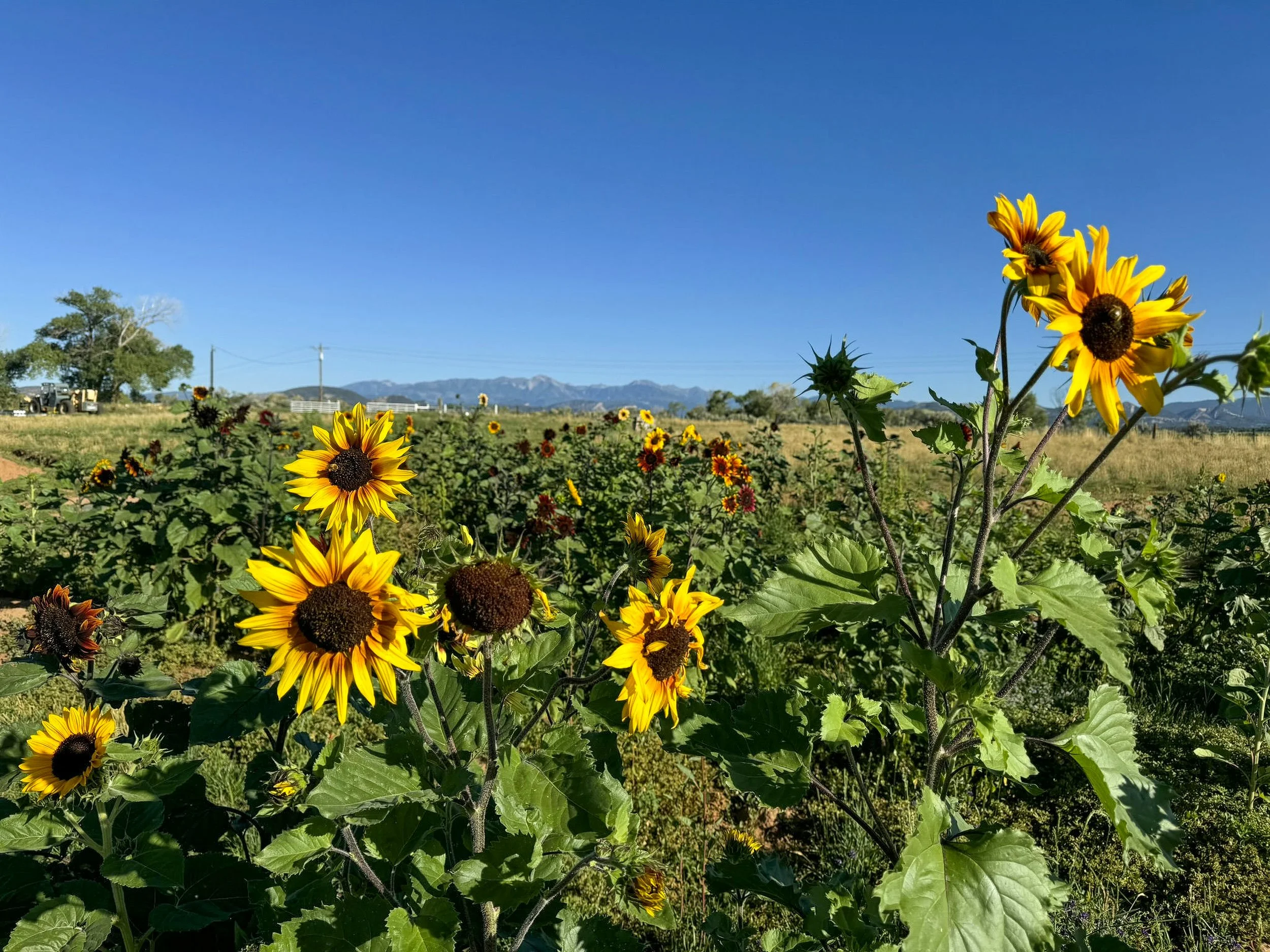
Their work has begun to pay off as the soil improves. “…we’re noticing that the various native plants are starting to pop up on the property.”
Jared and Elizabeth are confident that they have given their orchards the right start. “Working with you guys… and a variety of people have allowed us to step onto our property on day one and be the kind of land stewards we want to be,” Elizabeth says. “[It’s helped to] create an environment where our ciders and wines will be able to pay for us doing it right in the future.”
About EsoTerra Ciderworks
“Jared and Elizabeth landed in the Southwestern region surrounding Durango, Colorado, while pursuing their respective careers as forest fire mitigator (Jared) and architect (Elizabeth). Home to over 500 unique apple varieties, it was almost impossible to ignore the heaping branches of fruit visible each summer, and the subsequent “great rot” as the fruit fell and was left largely unharvested and unused.
Jared became involved in one, then another small-batch cider making endeavor in his free time, learning the bitter sweet nuances of apples + yeast & time. Moreso, Jared and Elizabeth became inundated in research about the region, and with the help of local small agriculture groups such as Montezuma Orchard Restoration Project, learned the historical significance of apples for the wild Southwest.
They wanted to bring back the vibrant appreciation for the heritage apples and orchards that was known just decades before. So, Jared and Elizabeth launched EsoTerra Ciderworks in earnest in 2019, with a vision to not only create premium artisanal ciders, but also to revive a nearly-abandoned apple industry that has historical roots dating back to the early mining communities of the region.”
-
Zero Foodprint awards grants for projects that take carbon out of the atmosphere and put it back where it belongs: in the earth, creating healthy soil and better food. To do this, we focus on regenerative farming practices like composting, cover cropping, and managed grazing that can restore life to our soil while removing carbon from the atmosphere. Together, we have the power to grow more nutritious food, heal natural water cycles, and create habitat for biodiversity to thrive. Explore previously funded projects to see what this might look like on your farm.
For more information, read through other Restore Grant FAQs.oes here
Zero Foodprint (ZFP) is a nonprofit organization restoring the climate, one acre at a time. We believe that by regenerating soil, local food economies can play a critical role in reversing the global climate crisis. We work with food and beverage businesses, philanthropy, and government to bring the next dollar to implement the next regenerative practice on the next acre. This regenerative economy benefits every person who grows food, every person who sells food, and every person on this planet who eats food.
