
Larga Vista Ranch
A century-old ranch farms for the future with ZFP’s Restore grant.
4 acres
•
120 CO2e
•
Tree & Shrub Establishment
•
Windbreak & Shelterbelt Establishment
•
4 acres • 120 CO2e • Tree & Shrub Establishment • Windbreak & Shelterbelt Establishment •
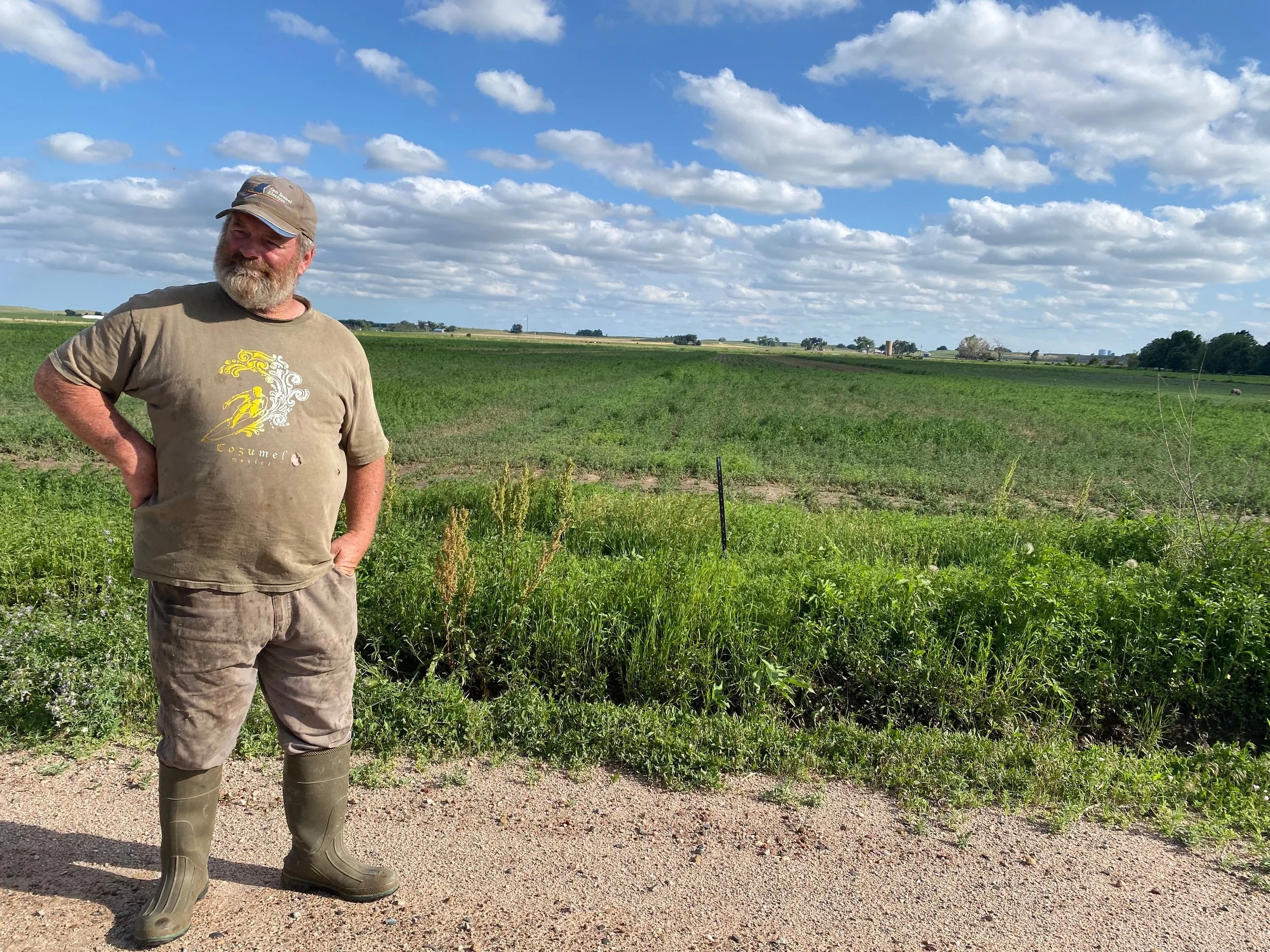
A Family Legacy
Doug Wiley plans ahead. The fourth generation of his family to steward the 140-acre cattle and dairy ranch named by his great-grandmother, Doug has always thought about how he will leave it for the next generation.
“‘You can tell a man's character by the number of trees he plants under the shade of which he knows full well he'll never sit,’” he quotes. “I saw it on a poster once. That always stuck in my mind, being a fourth-generation farmer. Everything I do is to preserve this farm and make it viable for the next generation.”
This mentality has informed his approach to farming since he was a teen. “When I was 16, my oldest brother exposed me to biodynamic farming. He gave me some books. The ideas resonated with me.”
Even while working as a teacher in chemical farming, Doug became increasingly sure that farming with chemicals wasn’t necessary. “I was managing the crops at the same time, [and] it just amazed me how it all fit and worked together, and all the intricacies…that made farming without chemicals a possibility.”
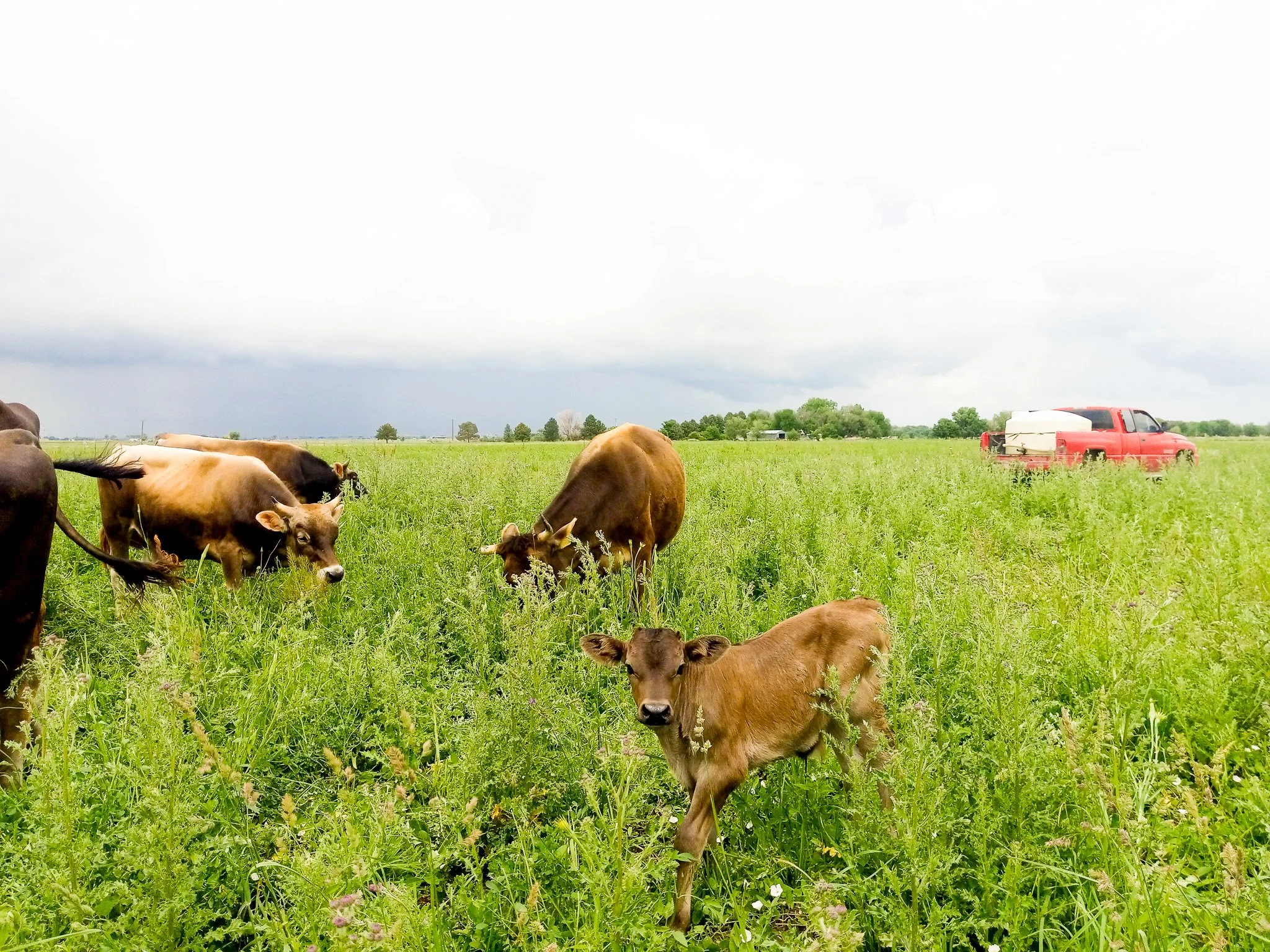
Covering Ground
Through a decade of organic farming, Doug came to understand that soil thrives when it stays covered, to both improve soil health and to hold it in place. A self-described cattleman, he uses grass and rotational grazing to nourish his land, support his herd, and grow vegetables within a single system - fitting everything together.
Doug has now been able to protect his soil from wind drift with the help of a ZFP Restore grant for windbreak and shelterbelt establishment. This has allowed him to add to the biodiversity of his farm as well. He and his brother have not only planted forage trees and shrubs to protect the soil, but fruit and nut trees as well. What began as a way of keeping good soil from being blown away has become an added income stream for the farm. “It's turned into more. Not just a shelterbelt, but a money-producing shelterbelt.”
Incorporating this practice has helped the Wiley family build healthier soil while strengthening their legacy - one rooted in regeneratively produced, high-quality food for generations to come.
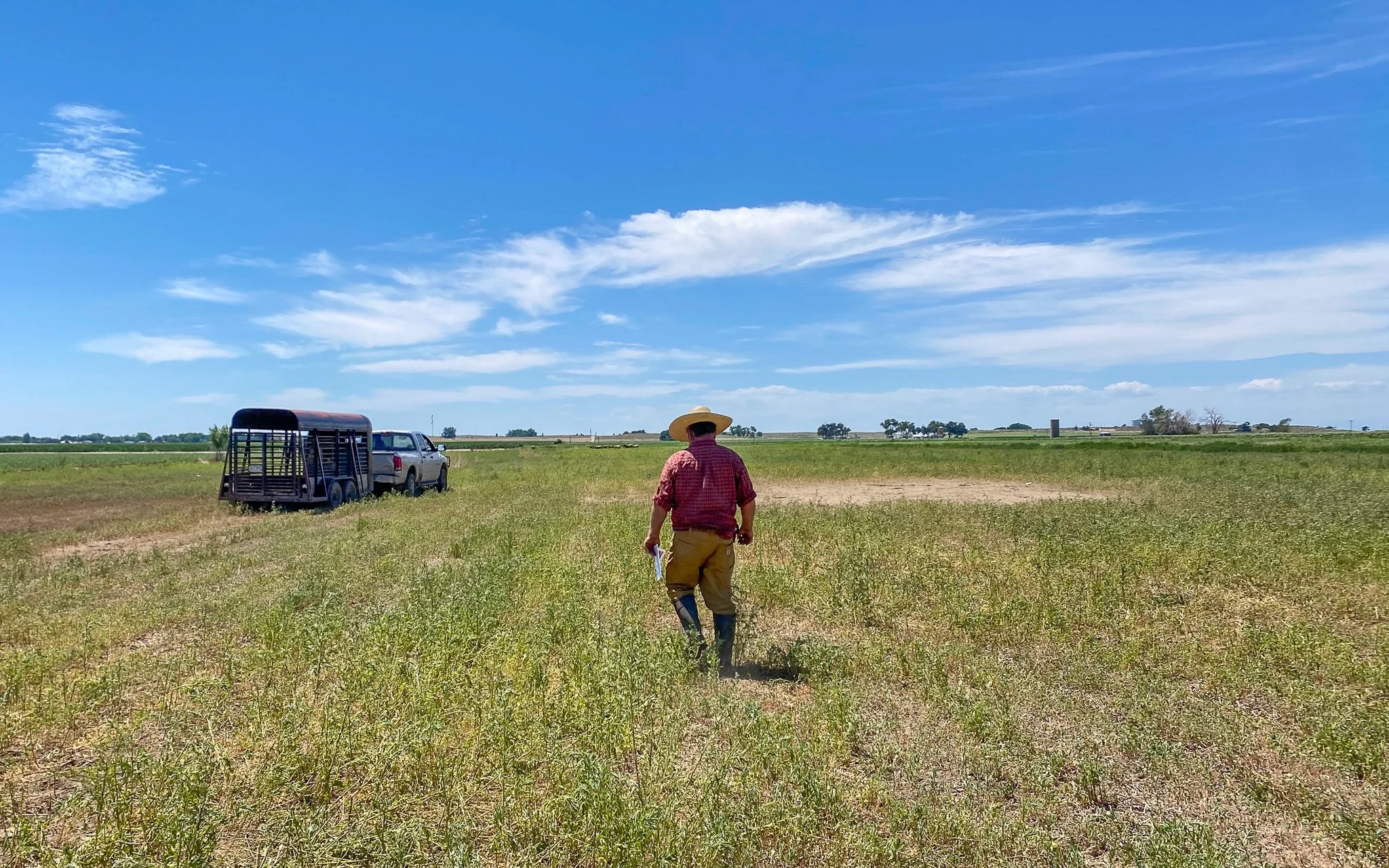
“Everything I do is to preserve this farm and make it viable for the next generation.”
- Doug Wiley
About Larga Vista Ranch
“Nestled on the bluffs overlooking the Huerfano River near its confluence with the Arkansas, our family has farmed and cared for this land for more than 100 years. Great Grandmother Malone named this farm for the views of the beautiful mountain ranges to the west and the vast prairies to the east.
Over the years, we have always understood the importance of good stewardship of the land and water resources we have been entrusted with in this community. Our respect and gratitude for the vision of our ancestors continually anchors our hopes and dreams for the future, while guiding our decisions to ensure the sustainability of this community for generations that follow.
During the past 40 years, we have eliminated the need for pesticides on our farm through the use of crop rotation, intensively managed irrigated pasture development, and sound animal nutrition practices. This has allowed us to move into the production and marketing of high-quality meats and vegetables. Intensively managed mixed-species pastures are the foundation of our soil-building rotation. Livestock are rotated through lush pastures during the growing season and fed stored forages during the short winter period.”
-
Zero Foodprint awards grants for projects that take carbon out of the atmosphere and put it back where it belongs: in the earth, creating healthy soil and better food. To do this, we focus on regenerative farming practices like composting, cover cropping, and managed grazing that can restore life to our soil while removing carbon from the atmosphere. Together, we have the power to grow more nutritious food, heal natural water cycles, and create habitat for biodiversity to thrive. Explore previously funded projects to see what this might look like on your farm.
For more information, read through other Restore Grant FAQs.oes here
Zero Foodprint (ZFP) is a nonprofit organization restoring the climate, one acre at a time. We believe that by regenerating soil, local food economies can play a critical role in reversing the global climate crisis. We work with food and beverage businesses, philanthropy, and government to bring the next dollar to implement the next regenerative practice on the next acre. This regenerative economy benefits every person who grows food, every person who sells food, and every person on this planet who eats food.
